
1. Introduction
This manual provides essential information for the safe and efficient installation, operation, and maintenance of your Seaflo 2000 GPH Electric Marine Bilge Pump. Please read these instructions thoroughly before use and retain them for future reference.
The Seaflo 2000 GPH Bilge Pump is a fully submersible electric pump designed for marine plumbing applications. It features heavy-duty, water-cooled motors for high capacity output and long life. The pump is equipped with water/moisture tight seals, stainless steel shafts, and is rustproof and corrosion resistant. Its snap-lock strainer base allows for easy installation and removal, and it operates silently with minimal vibration.

Image 1.1: Seaflo 2000 GPH Electric Marine Bilge Pump, front view.
2. Safety Information
- Always disconnect power before installing, cleaning, or performing any maintenance on the pump.
- Ensure all electrical connections are waterproof and properly insulated to prevent short circuits and corrosion.
- The pump is designed for pumping water only. Do not use it for flammable liquids, chemicals, or other hazardous materials.
- Verify that the power supply matches the pump's voltage requirements (12V DC).
- This pump features ignition protection, reducing the risk of ignition of flammable vapors. However, always ensure proper ventilation in enclosed spaces.
- Do not run the pump dry for extended periods, as this can cause damage.
3. Package Contents
Verify that all items are present and undamaged upon unpacking:
- 1 x Seaflo 2000 GPH Electric Marine Bilge Pump (Model SFBP1-G2000-01)
4. Specifications
| Specification | Value |
|---|---|
| Model Number | SFBP1-G2000-01 |
| Voltage | 12 Volts (DC) |
| Flow Rate | 2000 GPH (7570 Liters per hour) |
| Current | 8.5 A |
| Max Draw | 14.0 A |
| Outlet Size | 1-1/8" (29 mm) Nylon Hose Barb |
| Wire Lead | 1m / 3.0' - 14 AWG |
| Material | Stainless Steel (shaft) |
| Dimensions (L x W x H) | 16.3 x 13.2 x 11.4 cm |
| Weight | 2.52 Pounds |
| Max Lift Height | 16.4 Feet (5 meters) |
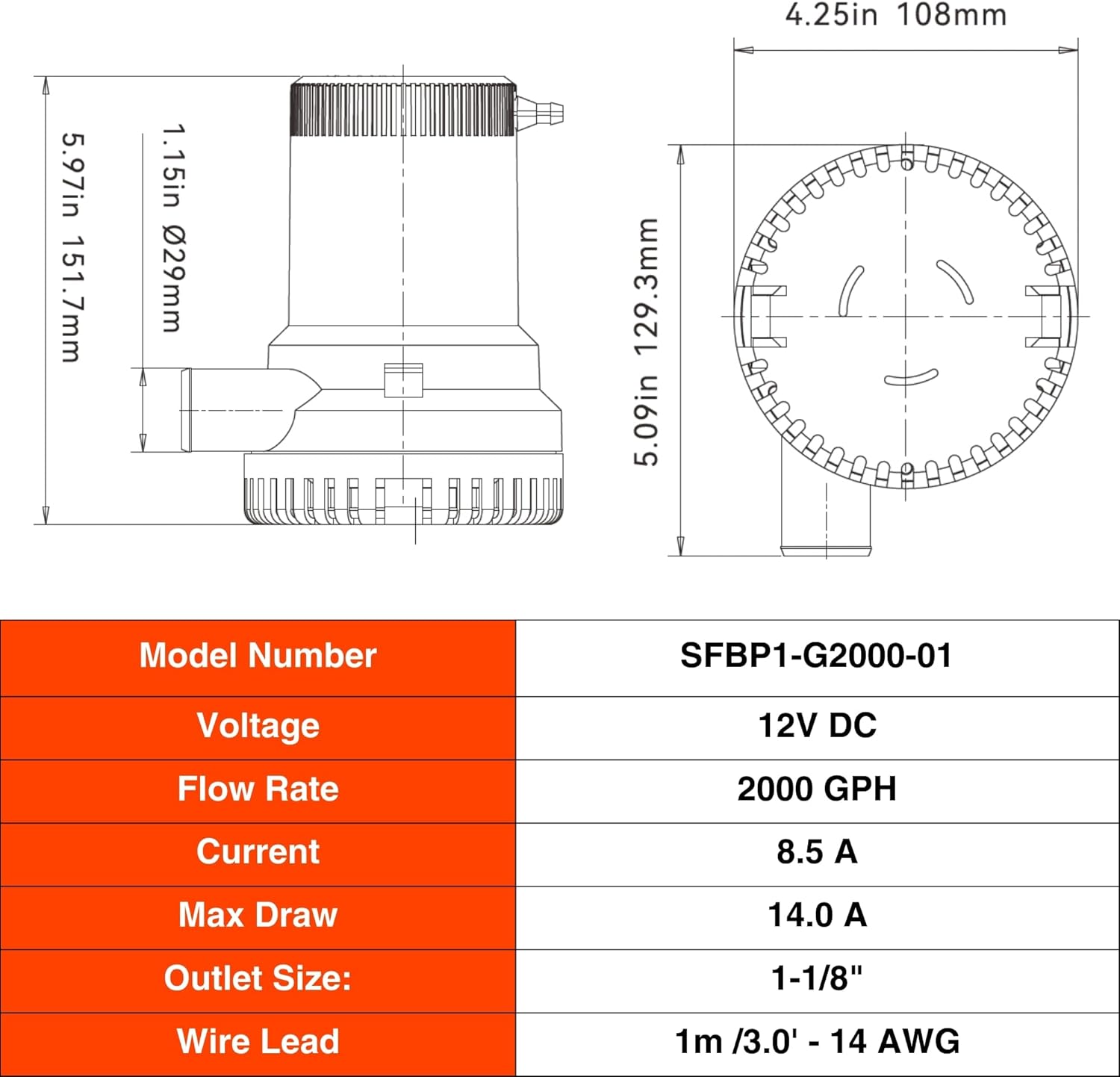
Image 4.1: Detailed specifications of the Seaflo 2000 GPH Bilge Pump.
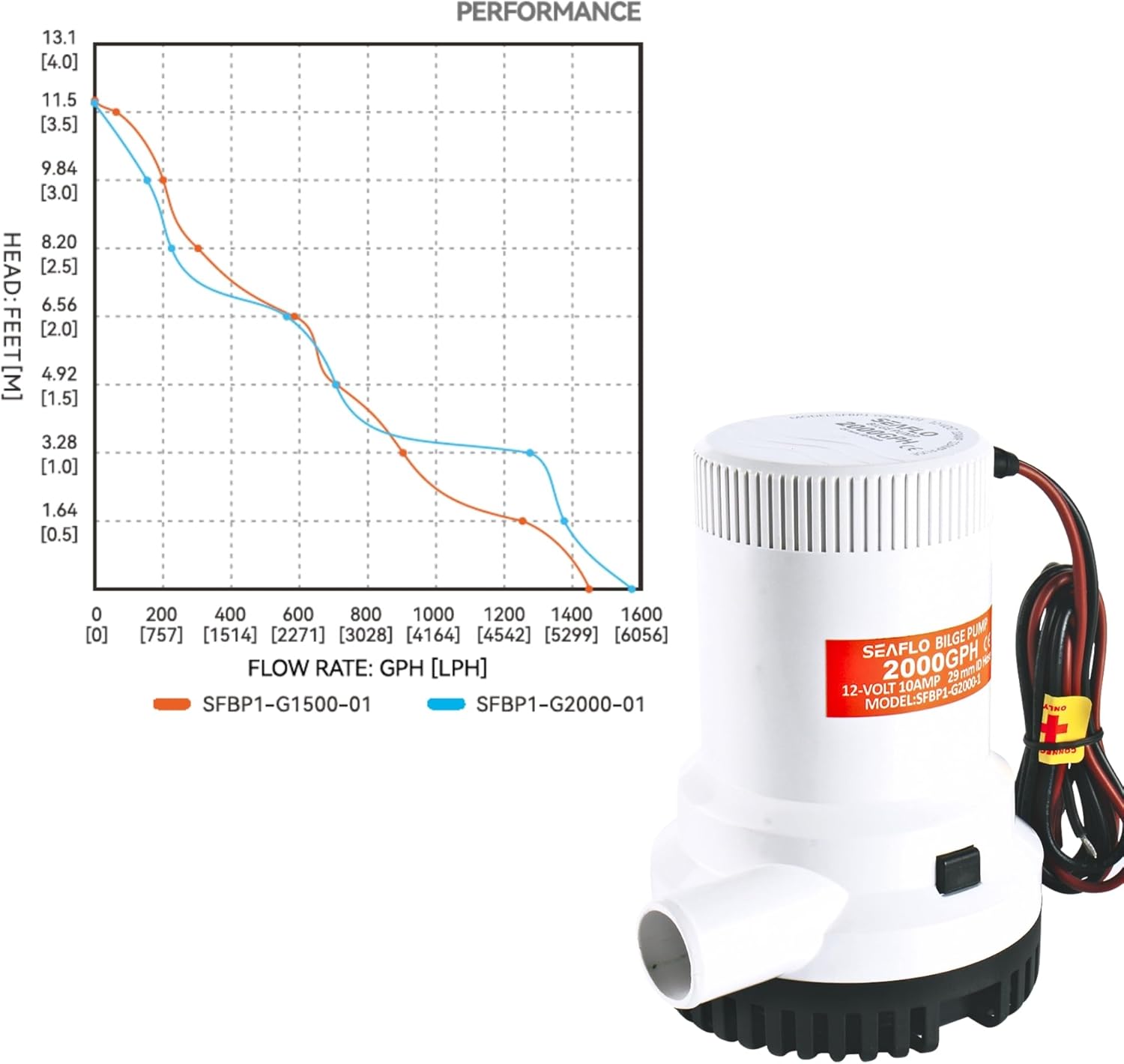
Image 4.2: Performance graph showing flow rate versus head for Seaflo bilge pumps.
5. Setup and Installation
The Seaflo 2000 GPH Bilge Pump is designed for easy installation. Follow these steps for proper setup:
- Mounting: Choose a suitable location in the bilge where the pump can sit flat and is easily accessible for maintenance. The pump should be mounted below the waterline. The snap-lock strainer base allows for secure mounting.
- Hose Connection: Connect a 1-1/8" (29 mm) bilge hose to the pump's outlet barb. Secure the hose with a marine-grade hose clamp to prevent leaks. Ensure the hose runs upwards to a through-hull fitting above the waterline.
- Electrical Wiring: Connect the pump to a 12V DC power source. The pump comes with 14 AWG wire leads. The brown wire is typically positive (+), and the black wire is negative (-). Use marine-grade, heat-shrink butt connectors or terminal blocks to ensure waterproof and corrosion-resistant connections. Install an appropriate fuse (refer to pump specifications for amperage) in the positive line close to the power source.
- Switch Installation (Optional): This is a non-automatic bilge pump. For automatic operation, an external float switch or a bilge pump panel switch (with auto/manual/off settings) must be installed separately. Refer to the instructions provided with your chosen switch for wiring details.

Image 5.1: The snap-off removable strainer base for easy maintenance.

Image 5.2: Close-up of the 1-1/8 inch nylon hose barb outlet.

Image 5.3: Illustration of the non-automatic bilge pump and compatible external switches.
Video 5.1: A demonstration of a 2000 GPH 12V electric bilge pump, showing its features and operation.
6. Operating Instructions
As a non-automatic bilge pump, the Seaflo 2000 GPH pump requires manual activation or an external switch for operation.
- Manual Operation: If connected to a simple ON/OFF switch, activate the switch to turn the pump on and off as needed to remove water from the bilge.
- Automatic Operation (with external switch): If an external float switch is installed, the pump will automatically turn on when water reaches a certain level and turn off when the water is removed. A bilge pump panel switch typically offers 'Auto', 'Off', and 'Manual' modes. In 'Auto' mode, the float switch controls the pump. In 'Manual' mode, the pump runs continuously.
Ensure the pump is fully submerged when operating to prevent dry running and potential damage. The pump's robust motor and high-flow impeller are designed for efficient water evacuation.

Image 6.1: The Seaflo bilge pump effectively moving water.
7. Maintenance
Regular maintenance ensures the longevity and reliable performance of your bilge pump.
- Strainer Base Cleaning: Periodically remove the snap-lock strainer base to clear any debris, such as leaves, hair, or other foreign objects, that may obstruct the impeller or intake. This is crucial for maintaining optimal flow.
- Impeller Inspection: After removing the strainer base, inspect the impeller for any damage or wear. Ensure it spins freely.
- Wiring Check: Regularly inspect all wiring and connections for signs of corrosion, fraying, or loose terminals. Replace any damaged components immediately.
- Housing Inspection: Check the pump housing for cracks or damage. Ensure the water/moisture tight seals are intact.
- Winterization: In freezing climates, ensure the pump is drained and protected from freezing temperatures if the vessel is stored out of water.

Image 7.1: Close-up of the high-quality impeller, designed for durable and powerful flow.
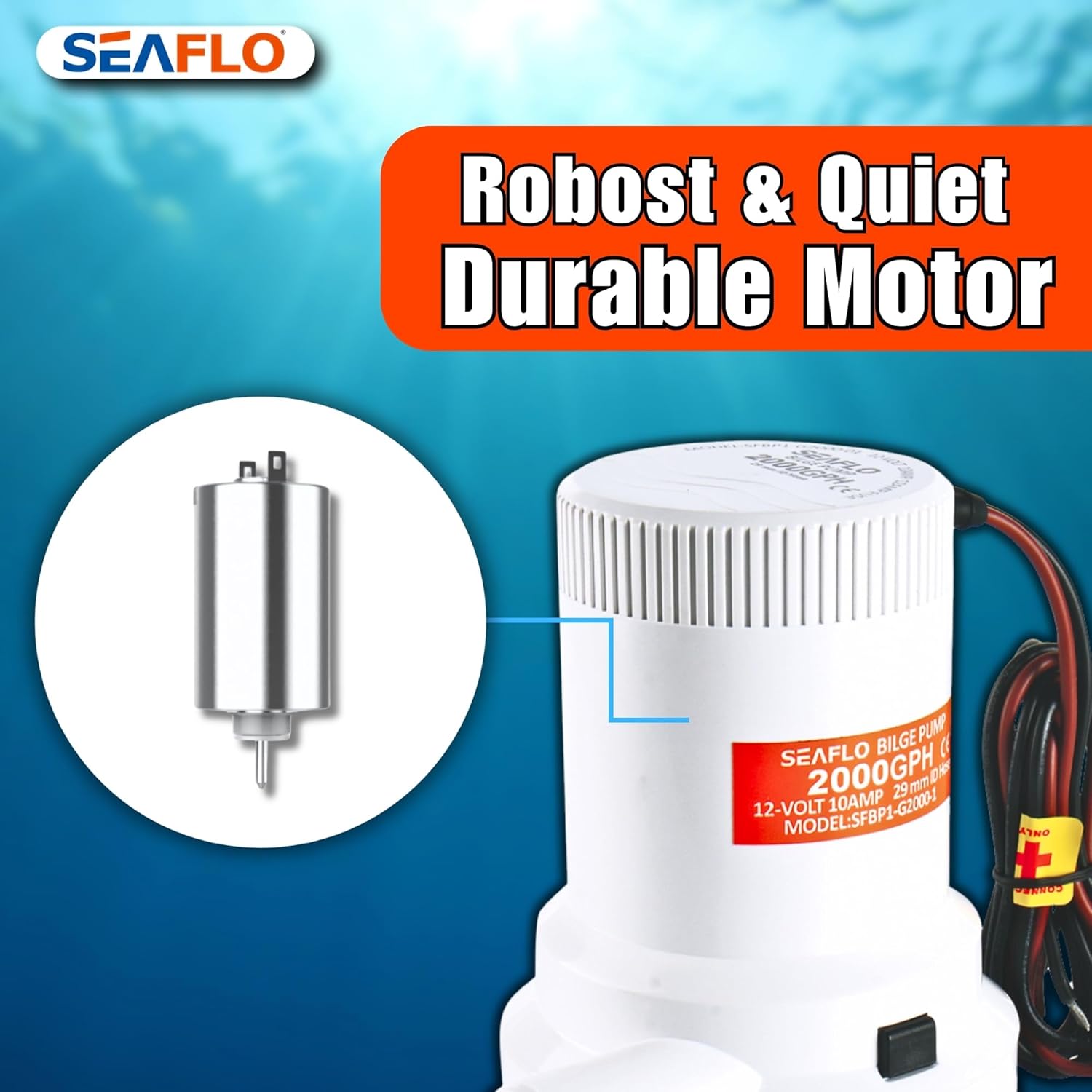
Image 7.2: Illustration highlighting the robust and quiet motor of the bilge pump.
8. Troubleshooting
If your Seaflo bilge pump is not operating as expected, consult the following troubleshooting guide:
| Problem | Possible Cause | Solution |
|---|---|---|
| Pump does not run | No power to pump; Blown fuse; Loose wiring connection; Faulty switch; Motor failure | Check battery voltage; Replace fuse; Tighten all electrical connections; Test/replace switch; Contact support if motor is faulty |
| Pump runs but no water flows | Clogged intake/strainer; Air lock; Damaged impeller; Kinked or blocked discharge hose | Clean strainer and intake; Briefly lift and lower pump to release air; Inspect/replace impeller; Clear hose obstruction |
| Low flow rate | Partially clogged intake/strainer; Low voltage; Excessive head (too high lift); Worn impeller | Clean strainer; Check battery and wiring for voltage drop; Ensure discharge hose is not too restrictive or too long; Inspect/replace impeller |
| Pump runs continuously (with float switch) | Float switch stuck in 'on' position; Debris interfering with float switch; Faulty float switch | Inspect and clean float switch; Test/replace float switch |
9. Warranty and Support
Seaflo products are manufactured to high-quality standards and are backed by a manufacturer's warranty. For specific warranty details, please refer to the documentation included with your purchase or visit the official Seaflo website.
If you encounter any issues that cannot be resolved using the troubleshooting guide, or if you require technical assistance, please contact Seaflo customer support. Have your model number (SFBP1-G2000-01) and purchase information ready when contacting support.
Contact Information: Please refer to the manufacturer's website or your product packaging for the most current customer support contact details.


