
1. Product Overview
The Wentworth WP-GT-25 is a commercial grease trap interceptor designed to separate fats, oils, and grease (FOG) from wastewater before it enters the main drainage system. This unit is essential for restaurants, commercial kitchens, and other food service establishments to prevent drain blockages and comply with environmental regulations. It features heavy-duty carbon steel construction with corrosion protection for durability in demanding environments.

Figure 1: Wentworth WP-GT-25 Grease Trap Interceptor with its components, including the main body, removable lid, and plumbing fittings.
2. Safety Information
Read all instructions carefully before installation and operation. Failure to follow these instructions may result in property damage, injury, or improper unit function.
- Always wear appropriate personal protective equipment (PPE) during installation and maintenance, including gloves and eye protection.
- Ensure the unit is installed on a stable, level surface capable of supporting its weight when full.
- Do not use harsh chemicals or solvents inside the grease trap, as this may damage the unit or interfere with its function.
- Ensure all plumbing connections are secure and leak-free to prevent water damage.
- Regularly inspect the unit for signs of wear, damage, or leaks.
3. Installation and Setup
The WP-GT-25 grease trap is designed for under-sink installation in commercial kitchens. Professional plumbing installation is recommended.
3.1 Pre-Installation Checklist
- Verify that the installation location is level and can support the unit's weight (approximately 105 lbs empty, significantly more when full).
- Ensure adequate space for future maintenance and cleaning.
- Confirm that the inlet and outlet pipe diameters match the grease trap's connections (typically 3 inches).
- Gather necessary tools: wrenches, pipe sealant, level, measuring tape.
3.2 Installation Steps
- Positioning: Place the grease trap on a stable, level surface directly beneath the sink's drain outlet. Ensure the unit is accessible for cleaning.
- Inlet Connection: Connect the sink's drain pipe to the grease trap's inlet. The inlet is typically located on the side of the unit. Ensure a tight, leak-proof seal using appropriate plumbing fittings and sealant.
- Outlet Connection: Connect the grease trap's outlet to the building's wastewater drainage system. The outlet is usually on the opposite side or lower than the inlet to facilitate flow. Ensure a tight, leak-proof seal.
- Lid Installation: Securely place the lid on top of the grease trap. The lid is designed with a rubber seal to prevent sideway leakage of sewage.
- Testing: Once all connections are made, slowly run water through the sink to check for any leaks. Address any leaks immediately.

Figure 2: Diagram illustrating the typical under-sink installation of the grease trap, showing the grease inlet from the sink and the water outlet to the main drain.

Figure 3: Close-up views highlighting the heavy-duty corrosion protection, threaded inlet/outlet for secure connections, and the rubber seal on the lid for leak prevention.
4. Operating Principles
The Wentworth WP-GT-25 operates on the principle of gravity separation. As wastewater containing FOG enters the trap, the slower flow rate allows the lighter grease and oil to rise to the surface, while heavier food solids settle to the bottom. The treated water then flows out to the drainage system, leaving the FOG and solids within the trap.
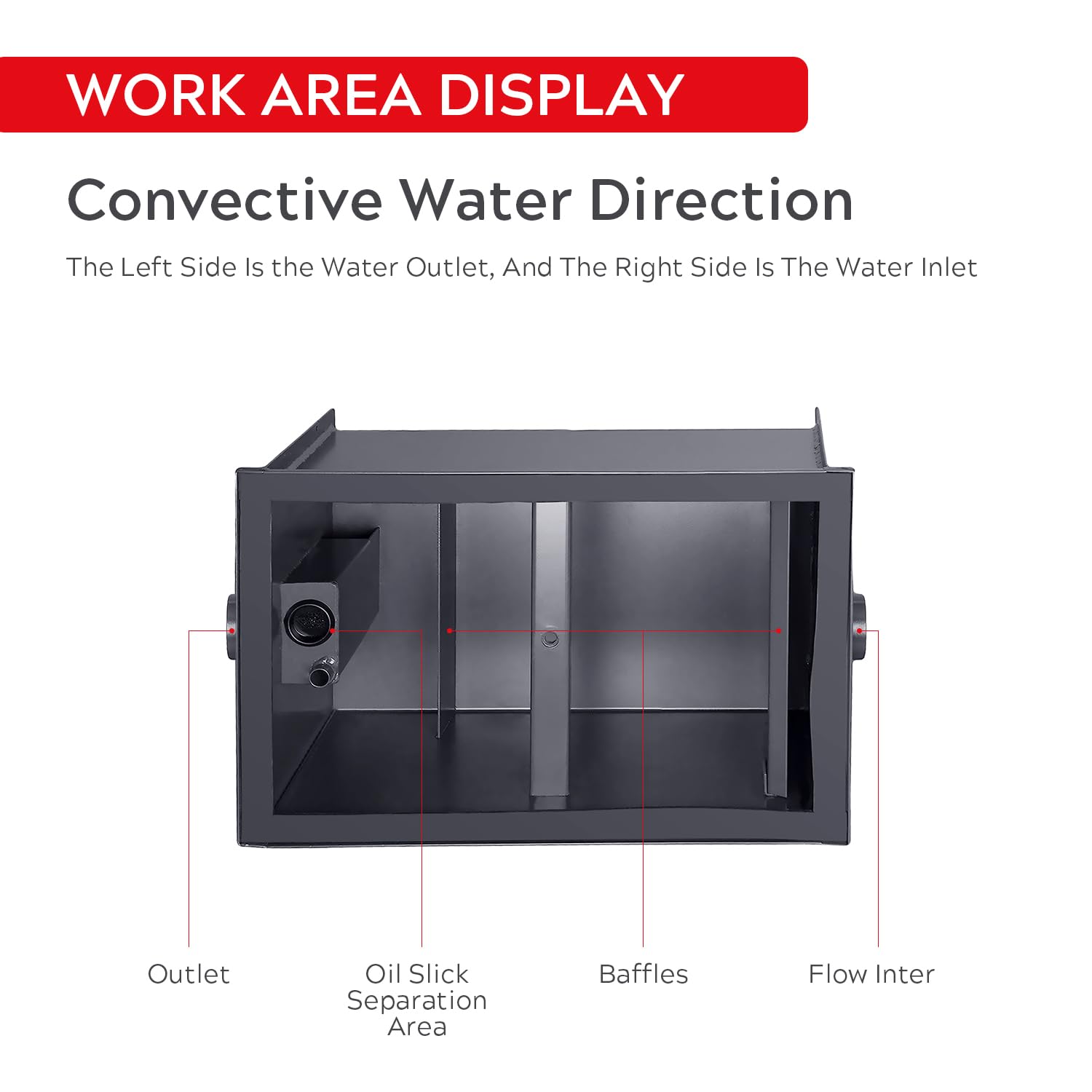
Figure 4: Internal structure of the grease trap, showing the outlet, oil slick separation area, baffles, and flow interrupter designed for efficient separation.
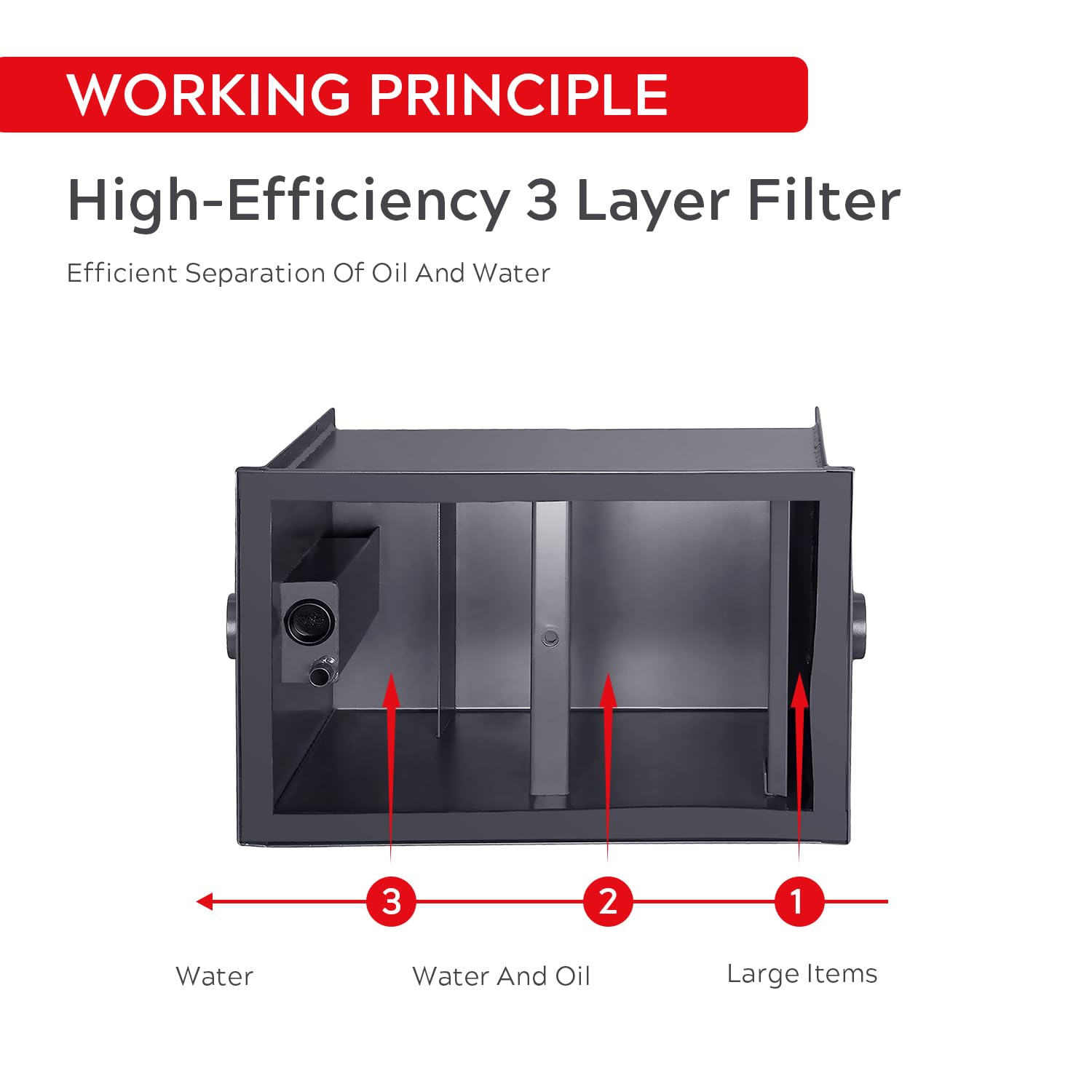
Figure 5: Working principle of the high-efficiency 3-layer filter system, demonstrating how large items, water and oil, and water are separated sequentially.
5. Maintenance
Regular maintenance is crucial for the efficient operation and longevity of your grease trap. The frequency of cleaning depends on the volume and type of FOG discharged into the unit.
5.1 Cleaning Procedure
- Preparation: Ensure the sink connected to the grease trap is not in use. Place a suitable container nearby to collect removed grease and solids.
- Remove Lid: Carefully remove the grease trap lid. Be aware of any accumulated grease or odors.
- Remove FOG and Solids: Using a scoop or similar tool, remove the accumulated layer of grease from the top and any settled solids from the bottom. Dispose of waste according to local regulations.
- Clean Interior: Scrape down the interior walls and baffles to remove any clinging grease. You may use warm water and a mild detergent for thorough cleaning, but avoid harsh chemicals.
- Inspect: Check the inlet and outlet pipes for any blockages or buildup. Ensure the rubber seal on the lid is clean and intact.
- Replace Lid: Securely replace the lid, ensuring it forms a tight seal.
Recommended Cleaning Frequency: For typical restaurant use, cleaning should occur at least once a week, or more frequently if high volumes of FOG are processed.
6. Troubleshooting
| Problem | Possible Cause | Solution |
|---|---|---|
| Slow Drainage | Grease trap is full; Inlet/outlet pipes are clogged; Baffles are obstructed. | Clean the grease trap thoroughly; Inspect and clear inlet/outlet pipes; Ensure baffles are free of debris. |
| Foul Odors | Accumulated FOG and food solids; Improperly sealed lid. | Increase cleaning frequency; Ensure lid is properly seated and sealed. |
| Leaks Around Unit | Loose plumbing connections; Damaged unit or seal. | Check and tighten all plumbing connections; Inspect unit for cracks or damage; Replace damaged seals. |
| Grease in Outlet Pipe | Grease trap is over capacity; Insufficient cleaning; Baffles are damaged or missing. | Increase cleaning frequency; Ensure proper sizing for flow rate; Inspect and repair/replace baffles. |
7. Specifications
| Feature | Detail |
|---|---|
| Model Number | WP-GT-25 |
| Grease Capacity | 50 Pounds |
| Flow Rate | 25 Gallons Per Minute (GPM) |
| Dimensions (L x W x H) | 27.5" x 18.4" x 16.5" |
| Material | 11-Gauge (1/8") Heavy Duty Carbon Steel |
| Coating | Heavy-Duty Anti-Corrosion Powder Coating |
| Installation Type | Floor Mount / Under Sink |
| Certifications | PDI Certified |
| Weight | Approximately 105.01 Pounds (empty) |
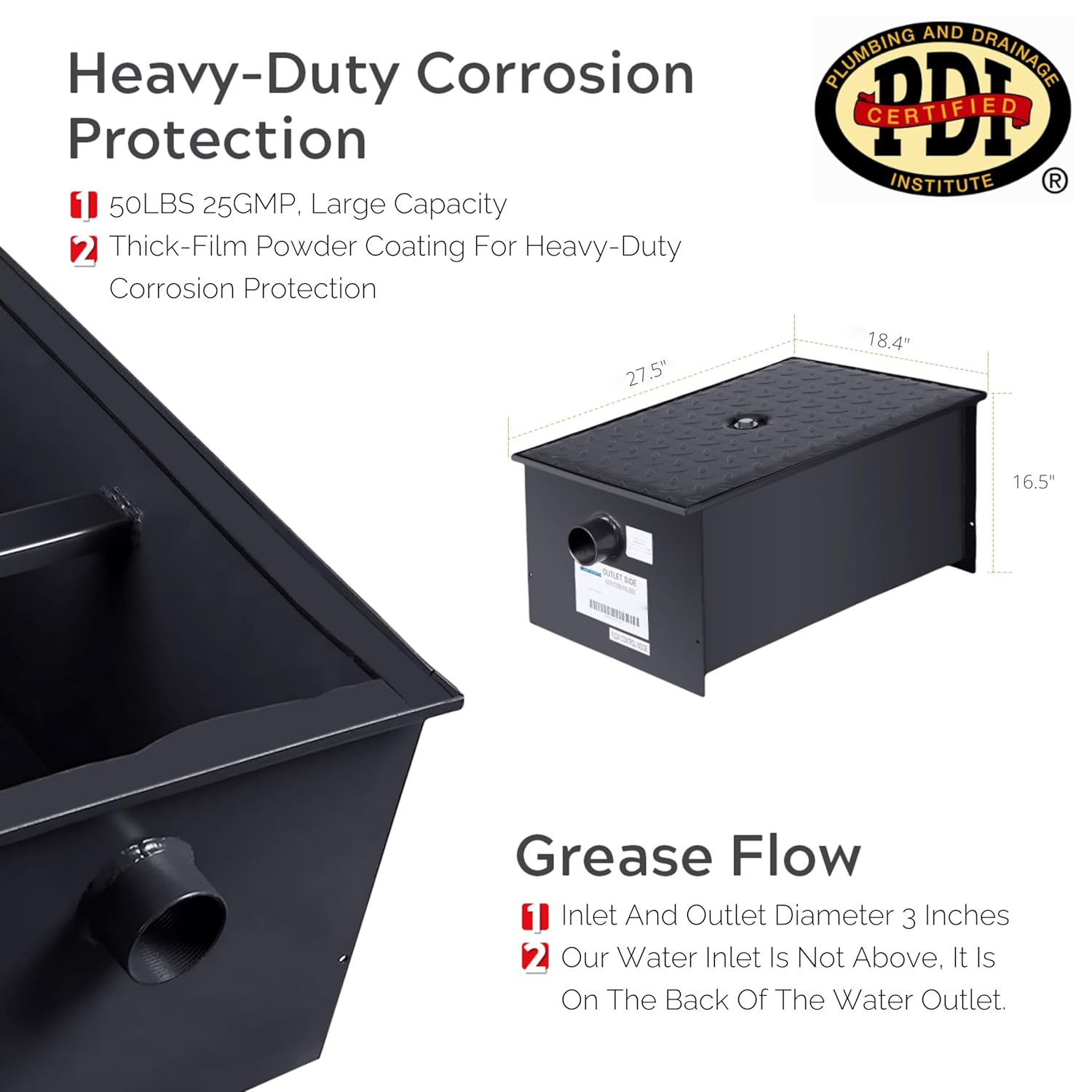
Figure 6: Product dimensions and key features, including PDI certification and heavy-duty corrosion protection.
8. Warranty and Support
For specific warranty information, please refer to the documentation included with your purchase or contact Wentworth customer support directly. General support inquiries can be directed to the manufacturer.
- Customer Support: For assistance with installation, operation, or troubleshooting, please contact Wentworth customer service. Refer to your purchase documentation for contact details.
- Returns: This product typically includes a 30-day easy return policy. Please check with your retailer for specific return conditions.