
1. Product Overview
The EBC Brakes RK416 RK Series Premium OE Replacement Brake Rotor is engineered to meet original equipment specifications, providing reliable and consistent braking performance. Manufactured from G3000 Grey iron, these rotors undergo precision machining, balancing, and 100% run-out inspection to ensure optimal quality and prevent distortion.
Key features include:
- High-quality OEM style rotors.
- Premium G3000 specification castings.
- Stringent quality check standards and 100% run-out factory tested.
- Diamond turned or cross-ground brake zone finish.
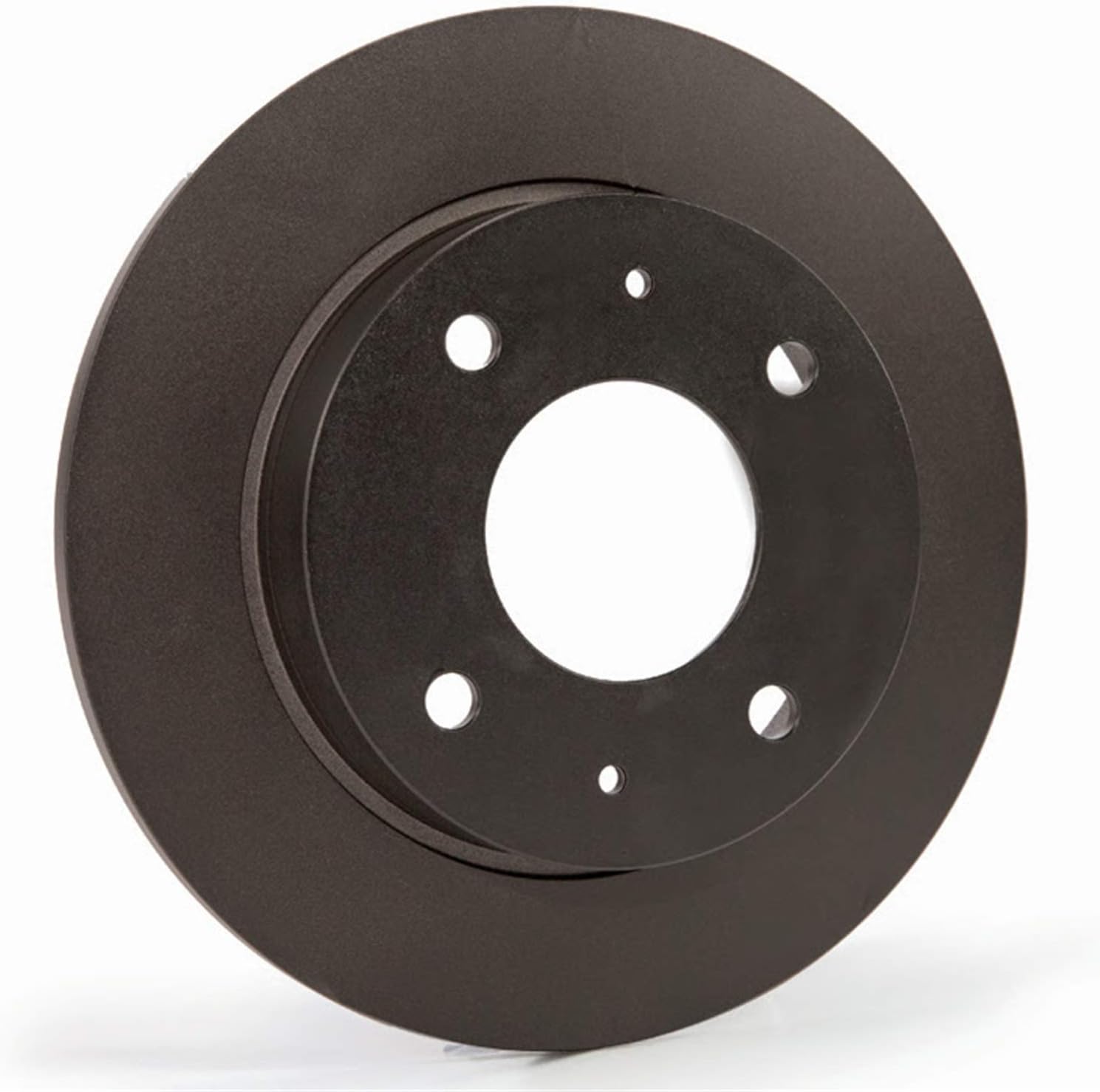
Image 1.1: The EBC Brakes RK416 RK Series Premium OE Replacement Brake Rotor. This image displays the dark grey, circular brake rotor with a central hub featuring multiple bolt holes for vehicle mounting.
2. Setup and Installation
Installation of brake components requires mechanical expertise and specialized tools. It is highly recommended that installation be performed by a qualified professional to ensure proper function and safety. Incorrect installation can lead to brake system failure and serious injury.
2.1 Safety Precautions
- Always wear appropriate personal protective equipment (PPE), including safety glasses and gloves.
- Ensure the vehicle is securely supported on jack stands on a level surface.
- Never work under a vehicle supported only by a jack.
- Consult your vehicle's service manual for specific torque specifications and procedures.
2.2 Installation Steps (General Guidelines)
- Prepare the Vehicle: Lift the vehicle and remove the wheel.
- Remove Old Components: Carefully remove the brake caliper and old brake rotor.
- Clean Hub Surface: Thoroughly clean the wheel hub mounting surface to remove any rust, dirt, or debris. A clean surface is critical for proper rotor seating and to prevent run-out.
- Install New Rotor: Place the new EBC RK416 rotor onto the wheel hub. Ensure it sits flush against the hub.
- Install New Brake Pads: Always fit new brake pads when replacing rotors. This ensures optimal performance and prevents premature wear of the new rotor.
- Reinstall Caliper: Reinstall the brake caliper, ensuring all bolts are torqued to the manufacturer's specifications.
- Bleed Brake System (if necessary): If the brake lines were opened, bleed the brake system according to the vehicle manufacturer's instructions.
- Reinstall Wheel: Mount the wheel and torque lug nuts to specifications.
- Test Brakes: Before driving, pump the brake pedal several times to ensure proper pressure is restored. Perform a low-speed test drive in a safe area.
3. Operating and Break-In Procedure
Proper break-in of new brake rotors and pads is crucial for optimal performance, longevity, and to prevent issues like judder or noise. Follow the brake pad manufacturer's specific break-in instructions, as they can vary. A general break-in procedure is as follows:
- Initial Driving: For the first 100-200 miles, avoid hard braking, sudden stops, and prolonged braking (e.g., long downhill descents).
- Gradual Stops: Perform approximately 20-30 moderate stops from 30-40 mph down to about 10 mph. Allow a few seconds between stops for the brakes to cool slightly.
- Cool Down: After the series of stops, drive for several minutes without using the brakes to allow them to cool completely.
- Avoid Heat Soak: Do not hold the brake pedal down while stopped immediately after a break-in session, as this can imprint pad material onto the hot rotor surface.
This process helps to properly seat the brake pads to the rotor surface and transfer an even layer of friction material, which is essential for consistent braking.
4. Maintenance
Regular inspection and maintenance of your brake system are vital for safety and performance. It is recommended to inspect your EBC RK416 rotors and entire brake system at least once a year or every 12,000 miles, whichever comes first.
- Visual Inspection: Check rotors for signs of wear, such as deep grooves, cracks, or excessive rust.
- Thickness Measurement: Rotors have a minimum thickness specification. If the rotor thickness falls below this limit, it must be replaced. Consult your vehicle's service manual for specific minimum thickness values.
- Brake Pad Inspection: Simultaneously inspect brake pad wear. Replace pads if they are worn down to their minimum thickness.
- Cleanliness: Keep brake components free from excessive dirt, oil, and grease.
5. Troubleshooting
If you experience issues with your braking system, consider the following common problems and potential causes. Always consult a qualified mechanic for diagnosis and repair.
| Symptom | Possible Cause | Action |
|---|---|---|
| Brake Noise (Squealing/Grinding) | Worn brake pads, improper pad seating, foreign material, caliper issues. | Inspect pads for wear, re-evaluate break-in, check for debris, inspect calipers. |
| Brake Pedal Pulsation/Vibration | Rotor run-out, uneven pad material transfer, warped rotors (less common with quality rotors). | Check rotor run-out, re-perform break-in procedure, inspect hub for cleanliness. |
| Reduced Braking Performance | Worn pads/rotors, air in brake lines, contaminated brake fluid, caliper issues. | Inspect all brake components, bleed brake system, check fluid level and condition. |
6. Specifications
- Model Number: RK416
- Brand: EBC Brakes
- Material: G3000 Grey Iron
- Type: Premium OE Replacement Brake Rotor
- Position: Rear
- Manufacturer Part Number: RK416
- OEM Part Number: BHWLUPR416K
- UPC: 847943083239
7. Warranty and Support
EBC Brakes offers a 10,000 mile / 6-month unconditional warranty on their brake rotors. This warranty covers manufacturing defects and premature wear under normal operating conditions.
For technical support, warranty claims, or further assistance, please contact EBC Brakes directly or consult with a certified automotive technician. Always refer to your vehicle's specific service manual for detailed brake system information.
Note: This manual provides general guidelines. Specific procedures may vary based on vehicle make and model.