
Introduction and Foundational Principles
This guide, based on Allan S. Roth's insightful book, demystifies the world of investing by presenting straightforward, effective strategies. It challenges the common misconception that investing must be complex, illustrating how simple, disciplined approaches can consistently outperform more elaborate methods. The core message emphasizes that successful investing is accessible to everyone, regardless of their financial background, by focusing on fundamental principles rather than market noise.
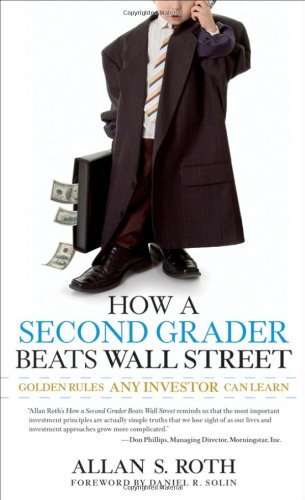
Image: The cover of "How a Second Grader Beats Wall Street," depicting a child in an oversized suit, symbolizing the simplicity and accessibility of the investment principles discussed within the book.
Applying Investment Strategies (Operating)
The book outlines practical strategies designed to enhance portfolio performance by an additional 3 to 4 percent annually. These strategies are robust, performing well in both rising and turbulent markets. Key operational principles include:
- Wide Diversification: Constructing a portfolio with a broad range of assets to minimize risk.
- Lowest Costs: Prioritizing investments with minimal fees to maximize returns.
- Portfolio Design: Creating a portfolio with basic building blocks that can be adjusted to individual needs.
- Tax Efficiency: Reengineering your portfolio to reduce unnecessary tax payments.
- Long-Term Perspective: Focusing on sustained growth rather than short-term market fluctuations.
The narrative follows Kevin Roth, an eight-year-old, demonstrating how these simple approaches lead to successful investing outcomes.
Ongoing Portfolio Management (Maintenance)
Maintaining an investment portfolio effectively involves consistent application of the core principles. This includes:
- Regular Review: Periodically assessing your portfolio to ensure it aligns with your financial goals and risk tolerance.
- Rebalancing: Adjusting asset allocations to maintain the desired diversification, especially after market movements.
- Adding Savings: Consistently contributing to your portfolio to leverage the power of compounding.
- Avoiding Emotional Decisions: Sticking to your investment plan even during market crises or periods of panic.
These practices help ensure your portfolio remains on track for long-term wealth accumulation.
Addressing Common Investment Pitfalls (Troubleshooting)
Many investors face obstacles due to common misconceptions and behavioral biases. This guide helps to "troubleshoot" these issues by:
- Debunking Financial Myths: Challenging widely accepted but often misleading financial beliefs.
- Overcoming Self-Sabotage: Addressing the tendency to overcomplicate investments or make impulsive decisions.
- Distinguishing Unlikely from Impossible: Understanding realistic expectations and avoiding chasing improbable returns.
- Ignoring Market Noise: Focusing on long-term strategy rather than reacting to daily news or "hot tips."
By understanding and avoiding these pitfalls, investors can maintain a clearer path to financial independence.
Book Specifications
| Attribute | Detail |
|---|---|
| ASIN | B007M0YE4E |
| Publisher | Wiley |
| Publication Date | January 1, 2010 |
| Language | English |
| Format | Paperback |
Nature of Advice (Warranty)
This book provides educational content and general investment principles. It is intended to inform and guide readers in developing their own investment strategies. It is not a substitute for personalized financial advice from a qualified professional. Investment decisions should always be made based on individual circumstances, financial goals, and risk tolerance, potentially in consultation with a financial advisor.
Additional Resources and Support
For more information and ongoing insights from Allan S. Roth, readers are encouraged to visit the official website associated with the book:
This website may offer supplementary articles, updates, and further resources to support your investment journey.