
Banjo MV220SL
Banjo MV220SL 2" 3-Way Side Load, Full Port Manifold Valve User Manual
Model: MV220SL
Introduction
This manual provides essential information for the safe and efficient operation, installation, and maintenance of your Banjo MV220SL 2" 3-Way Side Load, Full Port Manifold Valve. Please read this manual thoroughly before installation or operation to ensure proper use and to prevent damage or injury.
The Banjo MV220SL is a manual three-way ball valve constructed from polypropylene with a full port design, suitable for various fluid handling applications. It features 2-inch manifold flanges for inlet and outlet connections.
Safety Information
Always observe the following safety precautions to prevent personal injury or damage to the valve or system:
- Ensure the system is depressurized and drained before installing, maintaining, or disassembling the valve.
- Wear appropriate personal protective equipment (PPE), such as safety glasses and gloves, when handling the valve or working with fluids.
- Do not exceed the maximum pressure or temperature ratings specified for the valve.
- Verify compatibility of valve materials with the fluid being handled to prevent corrosion or degradation.
- Handle the valve with care to avoid dropping or impacting it, which could cause damage.
- Ensure all connections are properly sealed and tightened to prevent leaks.
Product Overview
The Banjo MV220SL valve is designed for efficient fluid control with its three-way configuration and full port design. Key components include the polypropylene body, stainless steel hardware, and a robust handle for manual operation.
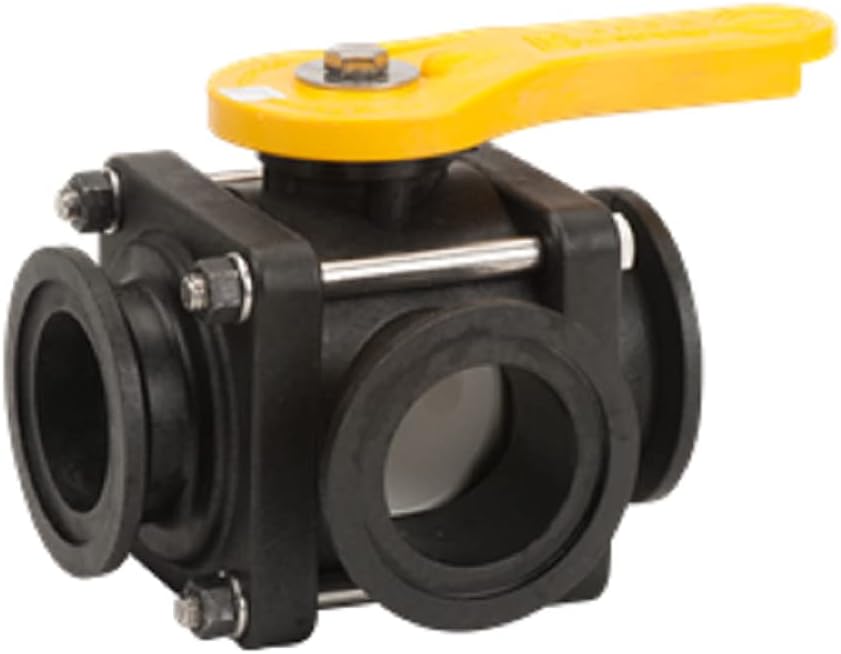
Figure 1: Front view of the Banjo MV220SL 2" 3-Way Side Load, Full Port Manifold Valve. The valve features a black polypropylene body with three flanged ports and a yellow handle for operation.
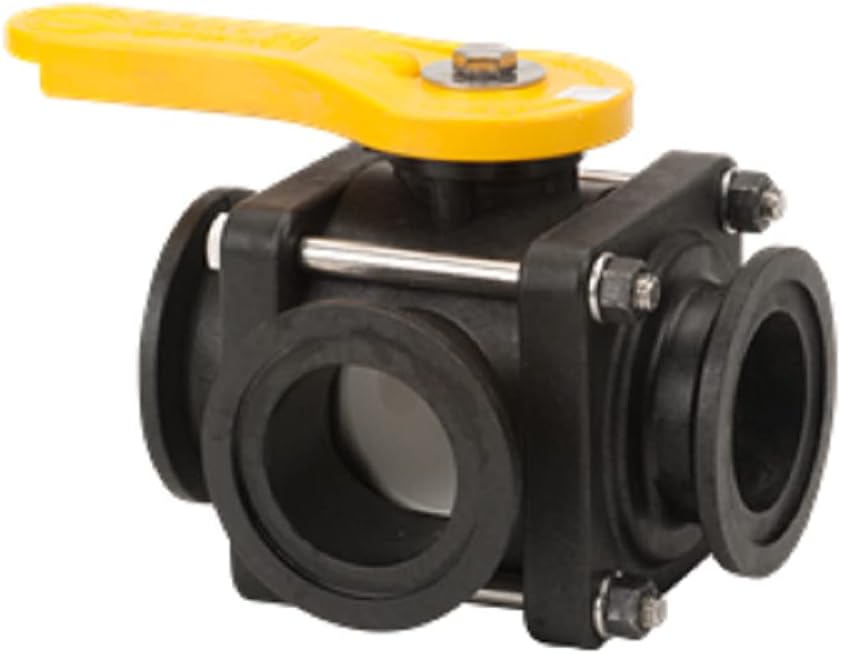
Figure 2: Angled view of the Banjo MV220SL valve, highlighting the robust construction and the side-load manifold flanges.
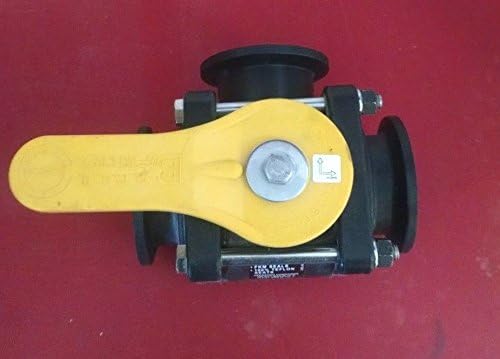
Figure 3: Top view of the Banjo MV220SL valve, showing the yellow handle and the bolt connections for the manifold flanges.
Setup and Installation
Proper installation is crucial for the valve's performance and longevity. Follow these steps carefully:
- Preparation: Ensure the piping system is clean and free of debris. Verify that the valve's nominal size (2 inches) matches your system's requirements.
- Orientation: The MV220SL is a 3-way valve with an L-flow pattern. Orient the valve correctly according to your desired flow path. The handle position indicates the flow direction.
- Connection: Connect the valve to the manifold flanges using appropriate gaskets and fasteners. Ensure a secure, leak-free connection. The valve features 2-inch manifold flanges for inlet and outlet.
- Tightening: Gradually tighten the fasteners in a crisscross pattern to ensure even pressure distribution and prevent warping of the flanges. Do not overtighten.
- Testing: After installation, slowly introduce fluid into the system and check for any leaks. Address any leaks immediately before full operation.
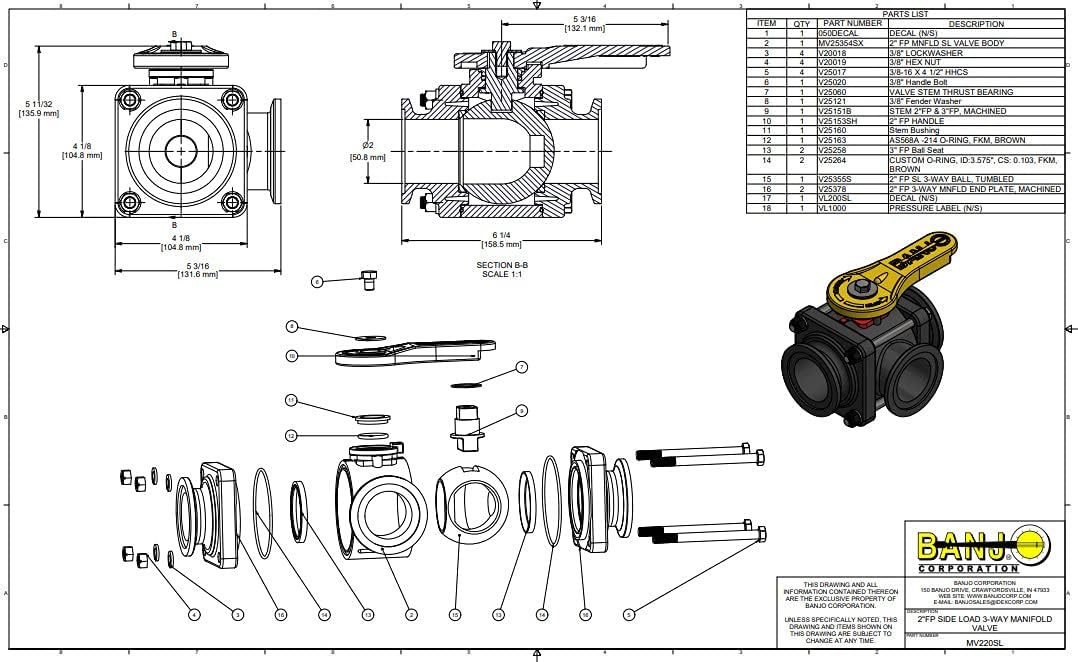
Figure 4: Exploded view diagram of the Banjo MV220SL valve, illustrating individual components and their assembly. This diagram is useful for understanding the valve's construction and for reassembly after maintenance.
Operating Instructions
The Banjo MV220SL is a manual ball valve operated by rotating the handle. The L-flow pattern allows for various flow configurations.
- Opening/Closing: Rotate the yellow handle 90 degrees to open or close the valve. The handle's position indicates the flow path.
- Flow Direction: The L-flow ball allows fluid to flow from one inlet to either of two outlets, or to divert flow between two paths. Consult the valve's markings or internal diagram for specific flow configurations based on handle position.
- Smooth Operation: Operate the handle smoothly and avoid excessive force. If the handle is stiff, do not force it; investigate the cause (e.g., debris, pressure imbalance).
Maintenance
Regular maintenance ensures optimal performance and extends the life of your valve.
- Inspection: Periodically inspect the valve body, flanges, and handle for signs of wear, cracks, or leaks. Check for any loose fasteners.
- Cleaning: If the valve is exposed to corrosive or abrasive fluids, flush the system regularly to prevent buildup that could affect valve operation or cause damage. Clean the exterior with a mild detergent and water.
- Seal Replacement: Over time, the internal seals (O-rings, seats) may wear out. Refer to the exploded view diagram (Figure 4) for component identification. If leaks occur or operation becomes difficult, consider replacing the seals. Use only genuine Banjo replacement parts.
- Storage: If storing the valve for an extended period, ensure it is clean, dry, and stored in a protected environment away from direct sunlight and extreme temperatures.
Troubleshooting
| Problem | Possible Cause | Solution |
|---|---|---|
| Valve leaks from body or flanges | Loose fasteners, damaged gaskets, worn seals, cracked body | Tighten fasteners evenly. Replace gaskets. Replace internal seals. Inspect valve body for damage; replace valve if cracked. |
| Handle is stiff or difficult to turn | Debris in valve, worn or dry seals, excessive system pressure | Depressurize and flush system. Disassemble and clean valve. Replace seals if worn. Ensure system pressure is within valve limits. |
| Incomplete shut-off | Debris on ball/seats, worn seats | Depressurize and flush system. Disassemble and clean ball and seats. Replace seats if worn. |
Specifications
| Attribute | Detail |
|---|---|
| Model Number | MV220SL |
| Valve Type | Manual Three-Way Ball Valve |
| Body Material | Polypropylene |
| Ball Material | Polypropylene |
| Seal Material | (Typically EPDM or Viton, not specified in input, so omit specific type) |
| Hardware Material | Stainless Steel |
| Nominal Valve Size | 2 inches |
| Inlet Connection Type | Manifold Flange |
| Outlet Connection Type | Manifold Flange |
| Number of Ports | 3 |
| Flow Pattern | L Flow |
| Product Dimensions (L x W x H) | 22 x 13 x 6 inches |
| Item Weight | 23 pounds |
| Compliance | ASME, ASTM, ANSI (as per specification met) |
| Country of Origin | United States |
Warranty and Support
Banjo Corporation products are manufactured to high standards. For specific warranty information, please refer to the documentation provided with your purchase or visit the official Banjo Corporation website. Keep your purchase receipt for warranty claims.
For technical support, replacement parts, or further assistance, please contact Banjo Corporation customer service. Contact information can typically be found on the manufacturer's website or product packaging.
Manufacturer: Banjo Corporation
Ask a question about this manual
Ask about setup, troubleshooting, compatibility, parts, safety, or missing instructions. Manuals+ will review the question and use this page’s manual context to help answer it.