
1. Introduction
Thank you for choosing the CAMP USA HMS 2Lock Carabiner. This manual provides essential information for the safe and effective use, maintenance, and storage of your carabiner. Please read this manual thoroughly before using the product and retain it for future reference. This carabiner is designed for climbing and mountaineering activities.
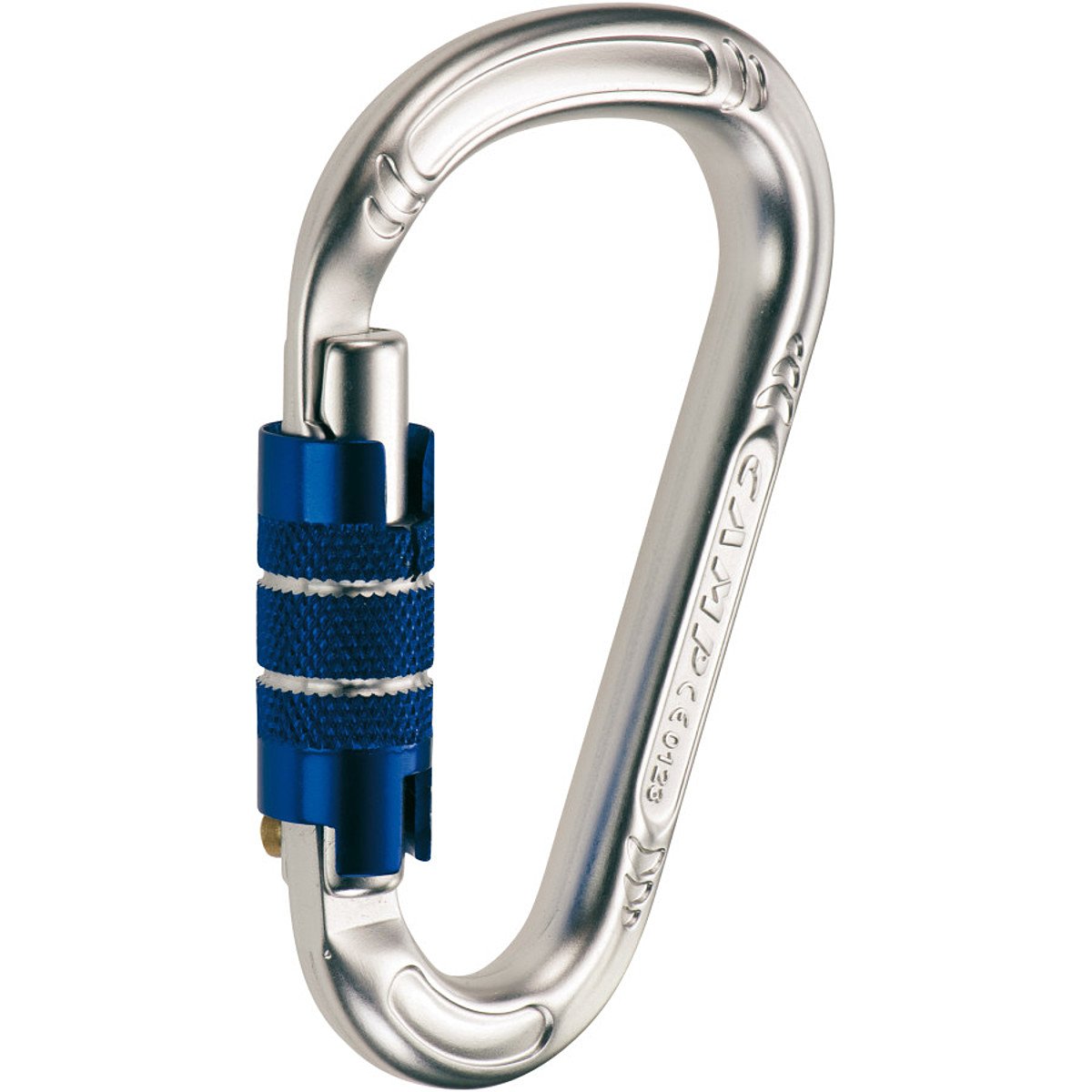
Image 1.1: The CAMP USA HMS 2Lock Carabiner. This pear-shaped carabiner features a twist-lock gate mechanism for secure closure.
2. Safety Information
WARNING: Climbing and mountaineering are inherently dangerous activities. Improper use of this equipment can result in severe injury or death. This product must only be used by competent persons or under the direct supervision of a competent person. Users must be aware of and accept the risks involved.
- Always inspect the carabiner for damage, wear, or deformation before each use. Discard immediately if any damage is found.
- Ensure the gate closes and locks completely before loading the carabiner.
- Avoid cross-loading the carabiner. Always load along the major axis.
- Do not expose the carabiner to corrosive substances, extreme temperatures, or sharp edges.
- Never modify the carabiner. Any alteration voids the warranty and compromises safety.
- Understand the strength ratings (kN) and limitations of the carabiner.
3. Setup
Before initial use, familiarize yourself with the carabiner's components and locking mechanism.
- Initial Inspection: Remove the carabiner from its packaging. Visually inspect the entire carabiner for any signs of manufacturing defects, damage, or corrosion. Check the gate for smooth operation and ensure the locking sleeve moves freely.
- Understanding the 2Lock Mechanism: The 2Lock system is a twist-lock mechanism. To open, twist the locking sleeve until it disengages from the gate, then push the gate open. To close, release the gate, and the locking sleeve will automatically twist and lock into place. Always verify the gate is fully closed and locked before use.
4. Operating
Proper operation is crucial for safety and performance.
- Opening the Gate: Grasp the carabiner body firmly. With your thumb and forefinger, twist the locking sleeve counter-clockwise (or as indicated by markings) until it clears the gate. Then, push the gate inwards to open.
- Closing and Locking the Gate: Once the rope or gear is placed inside the carabiner, release the gate. The spring mechanism will close the gate, and the twist-lock sleeve will automatically rotate to the locked position. Always visually and physically check that the gate is fully closed and the locking sleeve is engaged.
- Proper Loading: Ensure the carabiner is loaded along its major axis (the longest dimension) and that the gate is not in contact with any object that could cause it to open or be cross-loaded. Avoid loading the carabiner over sharp edges.
- Compatibility: Ensure all connected equipment (ropes, slings, belay devices) are compatible with the carabiner's dimensions and shape.
5. Maintenance
Regular maintenance extends the life of your carabiner and ensures its reliability.
- Cleaning: Clean the carabiner with fresh water and a mild soap solution. Rinse thoroughly and allow it to air dry completely. Do not use harsh chemicals or solvents.
- Lubrication: If the gate mechanism becomes stiff, apply a small amount of silicone-based lubricant to the hinge pin and locking sleeve. Wipe off any excess.
- Storage: Store the carabiner in a cool, dry place, away from direct sunlight, chemicals, and extreme temperatures. Avoid storing it with sharp objects or other equipment that could cause damage.
- Periodic Inspection: In addition to pre-use checks, perform a thorough inspection periodically. Look for cracks, deep scratches, corrosion, deformation, or excessive wear. Check the gate spring for proper tension and ensure the locking mechanism operates smoothly and securely.
6. Troubleshooting
Common issues and their solutions:
- Stiff Gate/Locking Sleeve: This is often caused by dirt or grime accumulation. Clean the carabiner thoroughly as described in the Maintenance section. If the issue persists, apply a silicone-based lubricant.
- Gate Not Closing Fully: Check for any obstructions (dirt, small debris) in the gate mechanism or hinge. Clean thoroughly. If the spring appears weak or damaged, retire the carabiner immediately.
- Difficulty Locking/Unlocking: Ensure the locking sleeve is free of debris. If the mechanism feels gritty or sticky after cleaning, the carabiner may be worn or damaged internally. Retire the carabiner.
If you encounter any issues that cannot be resolved with these steps, or if you suspect the carabiner's integrity is compromised, retire it from service immediately.
7. Specifications
| Feature | Detail |
|---|---|
| Model Number | 1183.01 |
| Gate Type | Twist Lock (2Lock) |
| Shape | Pear (HMS) |
| Claimed Weight | 3 oz (85 g) |
| Open Gate Strength | 8 kN |
| Locking | Yes |
| Color | Gray |
| Size | One Size |
8. Warranty
CAMP USA warrants its products to be free from defects in material and workmanship for a period of one year from the date of purchase. This warranty does not cover normal wear and tear, improper use, modifications, or damage caused by accidents. For warranty claims, please retain your proof of purchase and contact customer support.
9. Support
For further assistance, technical questions, or to report any issues, please contact CAMP USA customer support:
- Website: www.camp-usa.com (This is a placeholder URL as no specific support URL was provided in the input. Please refer to the official product packaging or manufacturer's website for accurate contact information.)
- Email: Refer to the official website for contact email.
- Phone: Refer to the official website for contact phone number.