
Mannesmann M 1043-60125
Mannesmann 1043-60125 Piston Ring Compressor Instruction Manual
Model: M 1043-60125
1. Introduction
Thank you for choosing the Mannesmann 1043-60125 Piston Ring Compressor. This tool is designed to safely and efficiently compress piston rings, allowing for smooth insertion of pistons into engine cylinders. Manufactured from durable spring steel, it is suitable for piston diameters ranging from 60mm to 125mm. Please read this manual thoroughly before use to ensure proper operation and to prevent damage to the tool or engine components.
2. Safety Instructions
Always observe the following safety precautions when using this tool:
- Wear appropriate personal protective equipment, including safety glasses and gloves.
- Ensure the work area is clean, well-lit, and free from obstructions.
- Never force the tool. If resistance is encountered, re-evaluate the procedure.
- Keep children and bystanders away from the work area.
- Inspect the tool for any damage or wear before each use. Do not use a damaged tool.
- Use the tool only for its intended purpose: compressing piston rings for installation.
- Store the tool in a dry, safe place when not in use.
3. Product Overview
The Mannesmann 1043-60125 Piston Ring Compressor consists of a flexible spring steel band with a ratchet locking mechanism and a square drive wrench for adjustment.

Figure 3.1: The Mannesmann 1043-60125 Piston Ring Compressor shown with its adjusting wrench.
- Compressor Band: Flexible spring steel band that wraps around the piston rings.
- Ratchet Locking Mechanism: Allows for gradual compression and secure locking of the band.
- Adjusting Wrench: Used to tighten the compressor band around the piston.
4. Setup
Before beginning, ensure you have the correct piston and cylinder bore size for your application. The compressor is designed for diameters between 60mm and 125mm.
- Prepare Piston: Ensure the piston and piston rings are clean and properly installed on the connecting rod. Lubricate the piston rings and the cylinder bore with appropriate engine oil.
- Position Compressor: Place the piston ring compressor around the piston, ensuring it covers all piston rings. The open end of the compressor should be positioned away from the connecting rod.
- Initial Tightening: Use the adjusting wrench to gently tighten the compressor band until it snugly holds the piston rings. Do not overtighten at this stage.

Figure 4.1: The piston ring compressor wrapped around a piston, ready for compression.
5. Operating Instructions
Follow these steps to safely compress piston rings and install the piston into the cylinder bore:
- Compress Rings: Continue to tighten the compressor band using the adjusting wrench. The ratchet mechanism will engage, allowing for controlled compression. Tighten until the piston rings are fully compressed within their grooves and the piston can fit into the cylinder bore.
- Position Piston: Carefully align the piston (with the compressed rings) over the cylinder bore. Ensure the piston orientation is correct according to engine specifications.
- Insert Piston: Gently push the piston into the cylinder bore. The compressor band will guide the piston rings into the cylinder. As the piston enters the bore, the compressor band will release its grip on the rings.
- Remove Compressor: Once the piston rings have entered the cylinder bore, the compressor band can be easily removed. Be careful not to scratch the cylinder walls or piston.
- Verify Installation: Ensure the piston moves freely within the cylinder and that all rings have properly seated.

Figure 5.1: Top view illustrating the piston rings fully compressed by the tool.
6. Maintenance
Proper maintenance will extend the life of your Mannesmann Piston Ring Compressor:
- Cleaning: After each use, wipe the tool clean with a dry cloth to remove any oil, grease, or debris.
- Lubrication: Periodically apply a light coat of oil to the ratchet mechanism to ensure smooth operation and prevent corrosion.
- Storage: Store the compressor in a dry environment, away from moisture and corrosive substances.
- Inspection: Regularly inspect the spring steel band for any signs of bending, cracking, or deformation. Check the ratchet mechanism for proper function.
7. Troubleshooting
| Problem | Possible Cause | Solution |
|---|---|---|
| Piston rings not compressing evenly. | Compressor band not centered or unevenly tightened. | Reposition the compressor band and ensure even tightening. |
| Difficulty inserting piston into cylinder. | Rings not fully compressed; insufficient lubrication; incorrect piston orientation. | Ensure rings are fully compressed. Apply more engine oil to rings and bore. Verify piston orientation. |
| Compressor band slips. | Not tightened enough; worn ratchet mechanism. | Tighten the band securely. If the ratchet is worn, the tool may need replacement. |
8. Specifications
| Model Number | M 1043-60125 |
| Brand | Mannesmann |
| Piston Diameter Capacity | 60 - 125 mm |
| Material | Spring Steel |
| Dimensions (L x W x H) | 17.5 x 11.5 x 7.5 cm (approx. 6.9 x 4.5 x 3 inches) |
| Weight | 117.93 grams (approx. 0.26 lbs) |
| Components Included | Piston Ring Compressor, Adjusting Wrench |
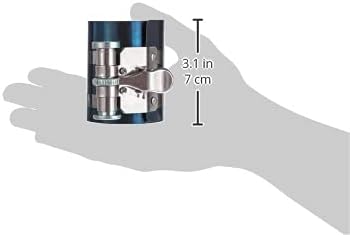
Figure 8.1: The compact size of the piston ring compressor, approximately 7 cm (3.1 inches) in height.
9. Warranty and Support
Mannesmann tools are manufactured to high-quality standards. For specific warranty information or technical support, please refer to the documentation provided with your purchase or contact Mannesmann customer service directly. Contact details can typically be found on the manufacturer's official website or on the product packaging.
Please retain your proof of purchase for any warranty claims.
Ask a question about this manual
Ask about setup, troubleshooting, compatibility, parts, safety, or missing instructions. Manuals+ will review the question and use this page’s manual context to help answer it.