
Introduction
This manual provides essential information for the proper installation, function, and maintenance of your Standard Motor Products CVS8 Vapor Canister Vent Solenoid. Please read these instructions thoroughly before proceeding with installation or service to ensure correct operation and vehicle compatibility.
Product Overview
The Standard Motor Products CVS8 is a vapor canister vent solenoid designed for specific vehicle applications. It plays a crucial role in the Evaporative Emission Control (EVAP) system by controlling the flow of fresh air into the charcoal canister, which stores fuel vapors from the fuel tank. Proper functioning of this component is vital for maintaining vehicle emissions compliance and preventing a "Check Engine" light.
Key Features:
- Vehicle Specific Fit: Engineered to match the original equipment specifications for compatible vehicles.
- Quality Construction: Manufactured in the United States, ensuring adherence to quality standards.

Figure 1: The Standard Motor Products CVS8 Vapor Canister Vent Solenoid, showing the main body, hose, and electrical connector.

Figure 2: Exploded view diagram highlighting key manufacturing features such as high-temperature Viton O-rings, superior resistance to environmental influences from proprietary molding, and 100% production testing. Also notes manufacturing in TS 14001 and ISO/TS 16949 certified facilities.
Safety Information
Always prioritize safety when working on any vehicle. Failure to follow safety precautions can result in personal injury or damage to the vehicle.
- Disconnect Battery: Before beginning any electrical work, disconnect the vehicle's negative battery terminal to prevent electrical shorts or accidental activation.
- Wear Protective Gear: Use appropriate personal protective equipment, including safety glasses and gloves.
- Consult Vehicle Service Manual: Refer to your vehicle's specific service manual for detailed instructions and torque specifications relevant to the EVAP system and component replacement.
- Fuel Vapor Warning: The EVAP system handles fuel vapors, which are flammable. Work in a well-ventilated area and avoid open flames or sparks.
Proposition 65 Warning:
This product may contain chemicals known to the State of California to cause cancer and birth defects or other reproductive harm. For more information, visit www.P65Warnings.ca.gov.
Installation Guide
The installation of the CVS8 Vapor Canister Vent Solenoid typically involves replacing an existing component within the vehicle's EVAP system. Due to the vehicle-specific nature of this part and the complexity of automotive systems, professional installation is recommended. If you choose to perform the installation yourself, ensure you have the necessary tools and refer to your vehicle's factory service manual for precise instructions.
General Installation Steps (Consult Vehicle Manual for Specifics):
- Preparation: Park the vehicle on a level surface, engage the parking brake, and disconnect the negative battery terminal. Allow the engine to cool if it has been running.
- Locate Component: Identify the location of the existing vapor canister vent solenoid. This is often near the fuel tank or charcoal canister.
- Disconnect Electrical Connector: Carefully disconnect the electrical connector from the old solenoid.
- Disconnect Hoses/Mounting: Detach any hoses connected to the solenoid and unmount it from its bracket or housing. Note the orientation and connection points of all hoses.
- Install New Solenoid: Mount the new Standard Motor Products CVS8 solenoid in the same position as the old one. Reconnect all hoses securely, ensuring they are not kinked or damaged.
- Reconnect Electrical Connector: Firmly attach the electrical connector to the new solenoid.
- Final Steps: Reconnect the negative battery terminal. Start the vehicle and check for proper operation and any diagnostic trouble codes.
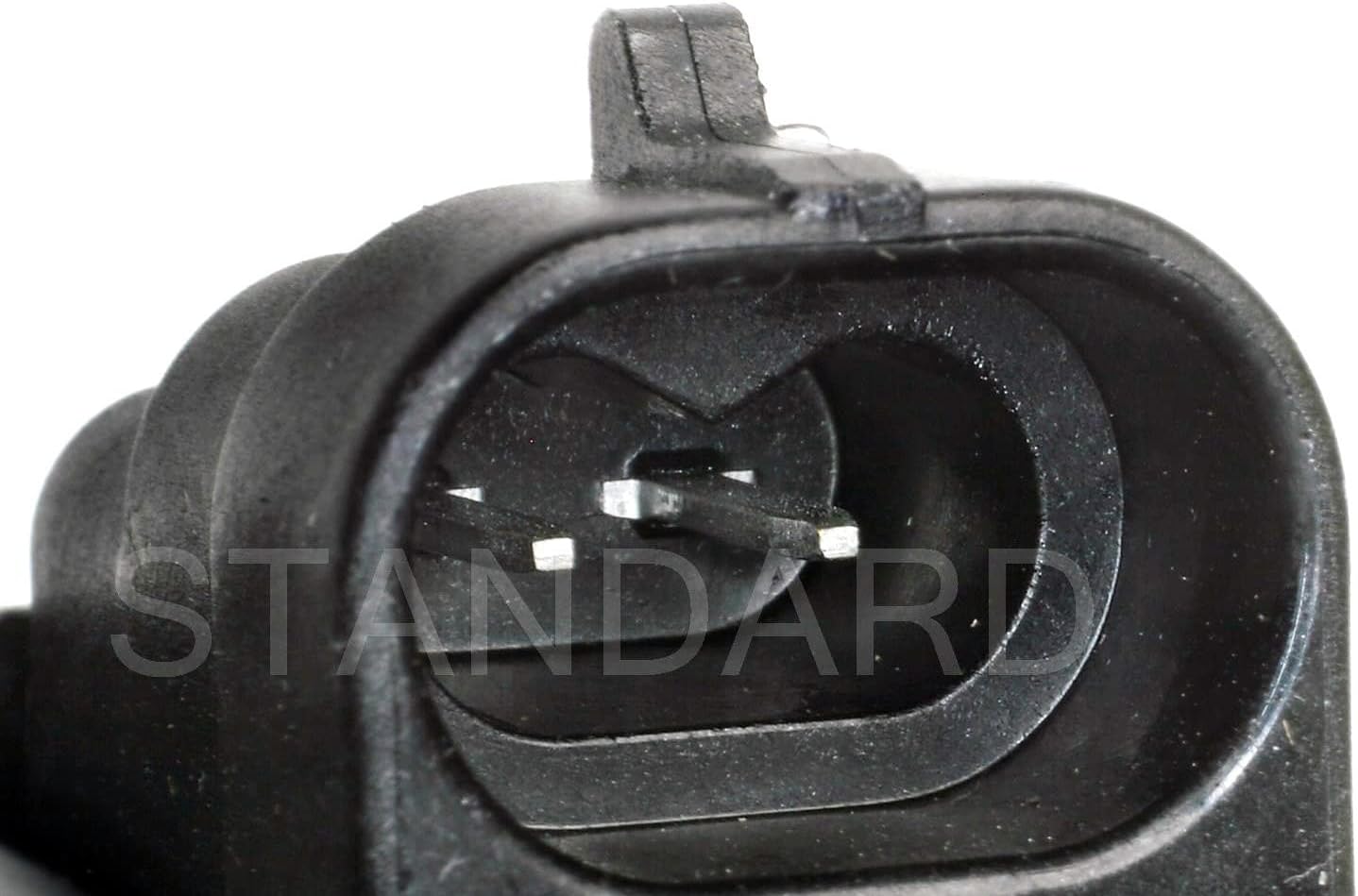
Figure 3: Detail of the electrical connector, which must be carefully disconnected and reconnected during installation.

Figure 4: A close-up view of a hose connection point, illustrating the design for secure attachment.

Figure 5: The durable hose material integrated with the solenoid, designed for automotive environments.
Operation and Function
The Vapor Canister Vent Solenoid is a critical component of your vehicle's Evaporative Emission Control (EVAP) system. Its primary function is to control the flow of fresh air into the charcoal canister. The charcoal canister absorbs fuel vapors from the fuel tank, preventing them from escaping into the atmosphere.
During specific engine operating conditions, the vehicle's Powertrain Control Module (PCM) commands the vent solenoid to open, allowing fresh air to be drawn through the charcoal canister. This process, known as "purging," pulls the stored fuel vapors into the engine's intake manifold to be burned during combustion. When the system is not purging, or during certain diagnostic tests, the vent solenoid closes to seal the EVAP system, allowing the PCM to monitor for leaks.
A properly functioning vent solenoid ensures the EVAP system can effectively capture and process fuel vapors, contributing to lower emissions and preventing the illumination of the "Check Engine" light due to EVAP system faults.
Maintenance
The Standard Motor Products CVS8 Vapor Canister Vent Solenoid is designed for long-term reliability and typically does not require routine maintenance. However, it is part of a larger system, and its performance can be affected by the condition of other EVAP components.
- Regular Vehicle Maintenance: Adhere to your vehicle manufacturer's recommended maintenance schedule, including checks of the EVAP system if specified.
- Inspect Hoses and Connections: Periodically inspect all hoses and electrical connections associated with the solenoid for signs of wear, cracks, or loose connections. Ensure all clamps are secure.
- Address Diagnostic Codes Promptly: If a "Check Engine" light illuminates, have the vehicle diagnosed by a qualified technician. EVAP system codes (e.g., P0440, P0442, P0446) can indicate issues with the vent solenoid or other components.
Troubleshooting
If you experience issues related to your vehicle's EVAP system, the vent solenoid may be a contributing factor. Common symptoms of a faulty vent solenoid include:
- "Check Engine" Light: The most common symptom, often accompanied by specific EVAP-related diagnostic trouble codes (DTCs).
- Difficulty Fueling: In some cases, a stuck-closed vent solenoid can cause difficulty filling the fuel tank due to pressure buildup.
- Fuel Odor: While less common for a vent solenoid, a compromised EVAP system can sometimes lead to fuel odors.
Troubleshooting Steps:
- Scan for DTCs: Use an OBD-II scanner to retrieve any stored diagnostic trouble codes. This will provide specific information about the fault.
- Visual Inspection: Check the solenoid and its connections for any obvious physical damage, corrosion, or disconnected hoses.
- Electrical Test: With the appropriate diagnostic tools and vehicle service manual, test the electrical circuit to the solenoid for proper voltage and ground.
- Functional Test: Some OBD-II scanners can perform bidirectional control tests, allowing you to command the vent solenoid open and closed to verify its mechanical function.
- Professional Diagnosis: If you are unable to identify or resolve the issue, consult a certified automotive technician for professional diagnosis and repair.
Specifications
| Attribute | Detail |
|---|---|
| Manufacturer | Standard Motor Products |
| Brand | Standard Motor Products |
| Model Number | CVS8 |
| Item Weight | 1 pound |
| Product Dimensions (L x W x H) | 2.0" x 1.43" x 3.37" |
| Exterior Finish | Machined |
| Manufacturer Part Number | CVS8 |
| ASIN | B004J9FB1Q |
| Date First Available | January 15, 2011 |
| What's in the Box | 1x Canister Vent Solenoid |
Warranty and Support
For specific warranty information regarding your Standard Motor Products CVS8 Vapor Canister Vent Solenoid, please refer to the official Standard Motor Products website or contact their customer support directly. Warranty terms and conditions may vary.
For technical support or further assistance, please visit the Standard Motor Products official website or consult a qualified automotive professional.