
1. Introduction
The Gates 38485 Belt Tensioner is a critical component in your vehicle's accessory drive system. Its primary function is to maintain proper tension on the serpentine belt, ensuring efficient operation of various engine accessories such as the alternator, power steering pump, air conditioning compressor, and water pump. Correct belt tension is essential for optimal performance and longevity of these components, preventing belt slippage and premature wear.
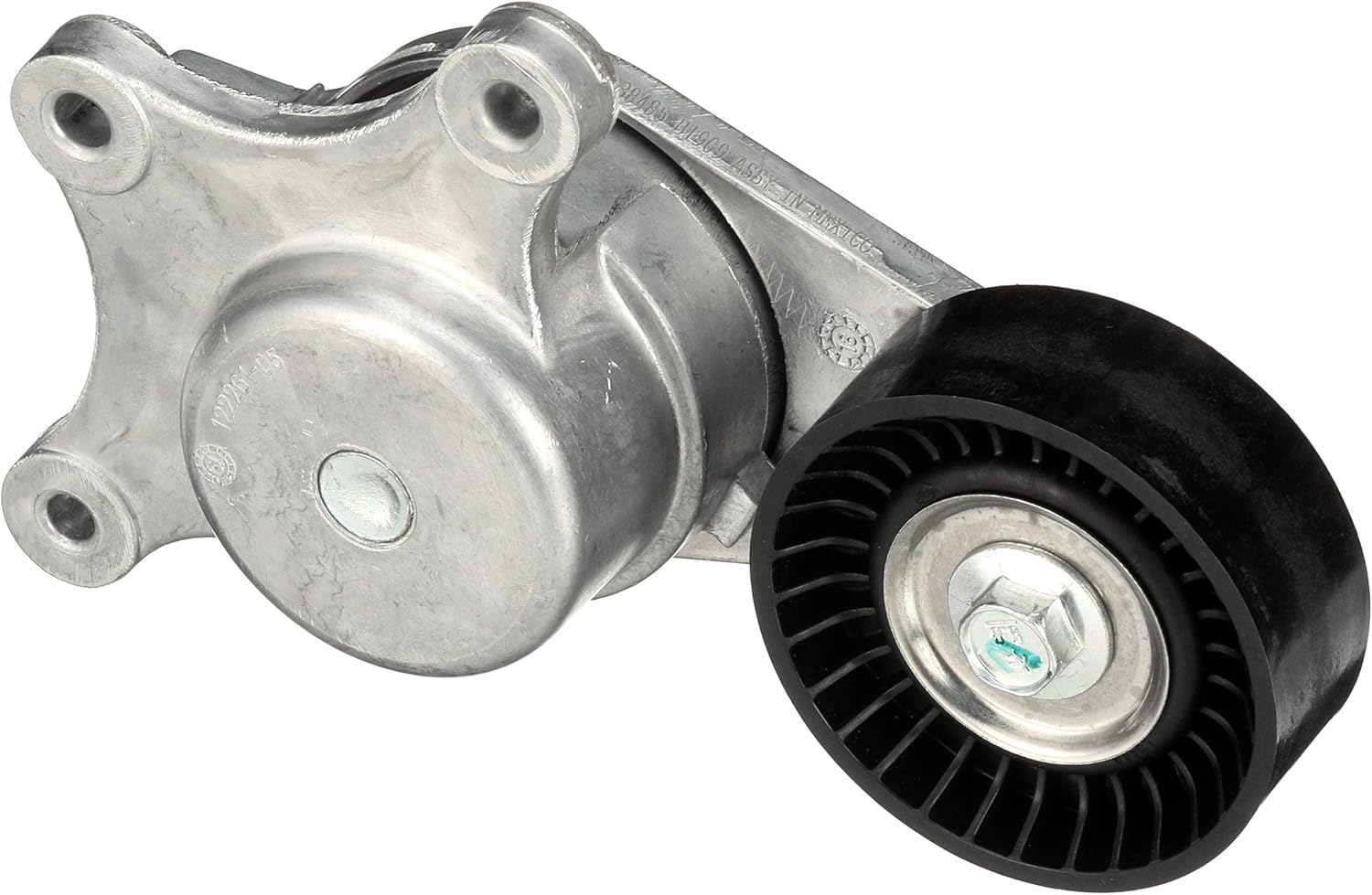
Figure 1: Front view of the Gates 38485 Belt Tensioner, showing the pulley and mounting bracket.
2. Safety Precautions
Before attempting any installation or maintenance, please observe the following safety guidelines:
- Always disconnect the vehicle's battery before working on the engine to prevent accidental starting or electrical shorts.
- Allow the engine to cool completely before beginning work to avoid burns.
- Wear appropriate personal protective equipment, including safety glasses and gloves.
- Refer to your vehicle's specific service manual for detailed instructions and torque specifications.
- If you are unsure about any step, consult a qualified automotive technician.
3. Installation (Setup)
Installation of the Gates 38485 Belt Tensioner requires mechanical aptitude and specific tools. The following steps are general guidelines; always consult your vehicle's service manual for precise, model-specific procedures.
3.1 Tools Required
- Socket wrench set
- Torque wrench
- Serpentine belt tool (if applicable)
- New serpentine belt (recommended)
3.2 Installation Steps
- Prepare the Vehicle: Park the vehicle on a level surface, engage the parking brake, and disconnect the negative terminal of the battery.
- Access the Tensioner: Locate the existing belt tensioner. Depending on your vehicle, this may require removing other components for access.
- Relieve Belt Tension: Using a serpentine belt tool or appropriate wrench, rotate the tensioner arm to relieve tension on the belt. Carefully remove the serpentine belt from the pulleys. Note the belt routing diagram before removal.
- Remove Old Tensioner: Unbolt the old tensioner from its mounting bracket. Keep track of all fasteners.
- Install New Tensioner: Position the new Gates 38485 Belt Tensioner onto the mounting bracket. Secure it with the appropriate bolts, tightening them to the vehicle manufacturer's specified torque.

Figure 2: Top view of the Gates 38485 Belt Tensioner, highlighting the mounting points.
- Install Serpentine Belt: Route the new serpentine belt according to the vehicle's diagram. Use the serpentine belt tool to rotate the tensioner arm, allowing enough slack to slide the belt over the last pulley. Slowly release the tensioner arm.
- Verify Installation: Double-check that the belt is correctly seated on all pulleys and that the tensioner is properly aligned.
- Final Steps: Reconnect the negative battery terminal. Start the engine and observe the belt and tensioner for proper operation and any unusual noises.

Figure 3: Bottom view of the Gates 38485 Belt Tensioner, showing the underside of the mounting bracket.
4. Operating Principles
The Gates 38485 Belt Tensioner operates automatically to maintain consistent tension on the serpentine belt. It features an internal spring mechanism that applies continuous force to the belt, compensating for belt stretch, wear, and minor variations in pulley alignment. This constant tension ensures that power is efficiently transferred from the engine crankshaft to the accessory components, preventing slippage and maximizing the lifespan of the belt and connected accessories.
5. Maintenance
Regular inspection of your vehicle's accessory drive system, including the belt tensioner, is crucial for preventative maintenance.
- Visual Inspection: Periodically inspect the tensioner for signs of wear, such as cracks in the housing, excessive play in the pulley, or corrosion. Check the belt for cracks, fraying, or glazing.
- Noise Check: Listen for unusual noises coming from the tensioner area, such as squealing, grinding, or rattling, which can indicate a failing tensioner or belt.
- Tension Check: While the tensioner is designed to be automatic, ensure the belt appears to have proper tension. A loose belt can slip, while an overly tight belt can strain bearings.
- Replacement: Belt tensioners are wear items and should be replaced according to your vehicle manufacturer's recommendations or at the first sign of failure. It is often recommended to replace the serpentine belt simultaneously with the tensioner.
6. Troubleshooting
If you experience issues with your vehicle's accessory drive system, the belt tensioner may be a contributing factor. Here are common symptoms and potential causes:
- Squealing Noise: Often indicates a loose or worn belt, or a failing tensioner pulley bearing.
- Rattling or Grinding Noise: Can suggest a worn tensioner bearing or internal spring mechanism failure.
- Belt Slippage: Evidenced by a loss of power to accessories (e.g., dimming lights, weak AC) or a burning rubber smell. This points to insufficient belt tension, likely due to a failing tensioner.
- Visible Wobble of Tensioner Pulley: Indicates excessive play in the tensioner bearing or pivot.
- Accessory Malfunction: If an accessory like the alternator or power steering pump is not functioning correctly, it could be due to insufficient power transfer from a slipping belt, caused by a faulty tensioner.
If you observe any of these symptoms, it is recommended to have your vehicle inspected by a qualified technician.
7. Specifications
| Specification | Value |
|---|---|
| Brand | Gates |
| Model | 38485 (GAT38485) |
| Item Weight | 1 pounds |
| Exterior | Machined |
| Manufacturer Part Number | 38485 |
| Position | Front, Rear (Application Dependent) |
| Country Of Origin | China |
8. Warranty Information
For detailed warranty information regarding the Gates 38485 Belt Tensioner, please refer to the official documentation provided with your purchase or visit the official Gates website. Warranty terms and conditions may vary and are subject to the manufacturer's policies.
9. Support
If you require further assistance with the installation, operation, or troubleshooting of your Gates 38485 Belt Tensioner, it is recommended to:
- Consult your vehicle's specific service manual.
- Contact a certified automotive mechanic or service center.
- Visit the official Gates website for product support and contact information.
Note: No official product videos were available in the provided data for embedding in this manual.