
1. Introduction
This service manual provides detailed instructions and specifications for the maintenance, repair, and overhaul of Ford 8000, 8600, 9000, and 9600 series tractors. It is an essential resource for technicians and owners seeking to perform accurate and efficient service procedures.

This image displays the front cover of the service manual, indicating its comprehensive nature for Ford tractor models 8000, 8600, 9000, and 9600.
The manual is organized into various sections, each dedicated to a specific system or component of the tractor, ensuring easy navigation and reference. It includes diagrams, illustrations, and step-by-step procedures to guide users through complex tasks.
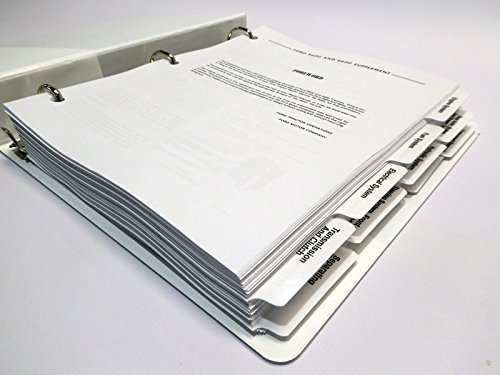
A view of the open service manual, showcasing its ring-bound format and clearly labeled tabbed sections for easy navigation through different systems like Fuel System, Electrical System, and Hydraulic System.
2. Engine System
This section covers all aspects of the engine system, including its components, operation, and maintenance procedures. Proper engine maintenance is crucial for the longevity and performance of your tractor.
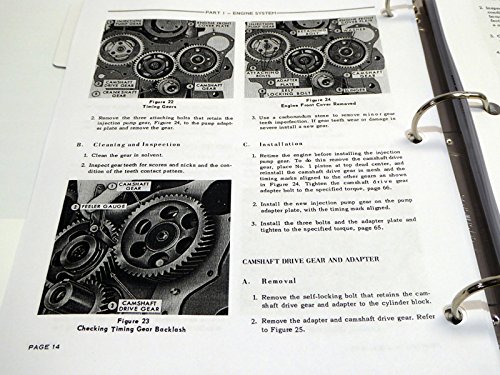
Detailed diagrams illustrating the timing gears within the engine system and instructions for checking timing gear backlash, crucial for engine maintenance.
2.1. Timing Gear Adjustment
Accurate timing gear adjustment is vital for engine efficiency. Refer to the detailed diagrams and follow the step-by-step instructions for removal, inspection, and installation of timing gears. Ensure all components are clean and free from wear before reassembly.
3. Fuel System
The fuel system section provides comprehensive information on fuel delivery, filtration, and injection components. Understanding this system is key to diagnosing and resolving fuel-related issues.
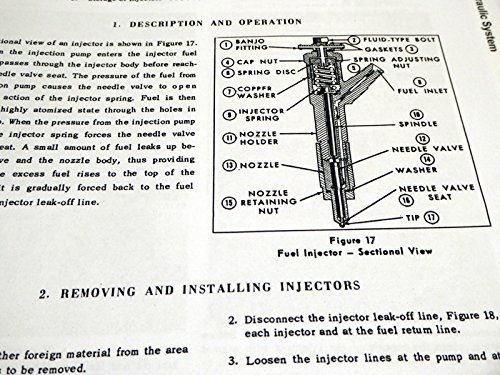
An exploded view diagram of a fuel injector, labeling its various components such as the nozzle, needle valve, and spring, essential for understanding the fuel system.
3.1. Fuel Injector Service
This subsection details the description, operation, removal, and installation of fuel injectors. Proper handling and calibration of injectors are critical for optimal engine performance and fuel efficiency.
4. Electrical System
This section covers the electrical components, wiring diagrams, and troubleshooting procedures for the tractor's electrical system. It includes details on the starting motor, generator, and various circuits.
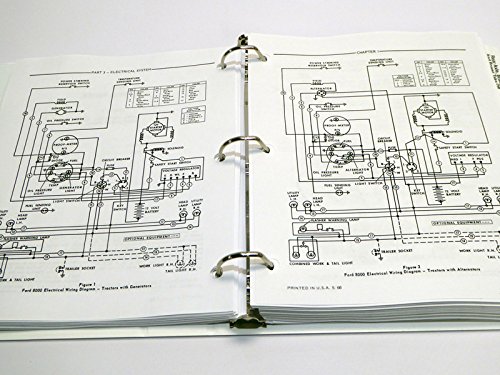
A comprehensive electrical wiring diagram for the Ford 8000 tractor, detailing connections for the starting motor, generator, and various electrical circuits.
4.1. Wiring Diagrams
Detailed wiring diagrams are provided to assist in identifying and tracing electrical circuits. Always disconnect the battery before performing any electrical service to prevent injury or damage.
5. Hydraulic System
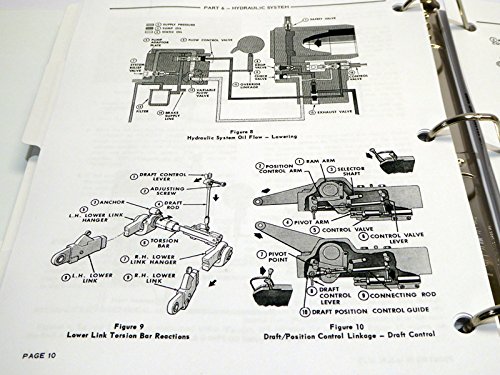
The hydraulic system section explains the operation, maintenance, and repair of hydraulic components, including pumps, valves, and cylinders. Proper hydraulic function is essential for many tractor operations.
Illustrations explaining the hydraulic system oil flow during lowering operations and the reactions of the lower link torsion bar, important for understanding the tractor's hydraulic functions.
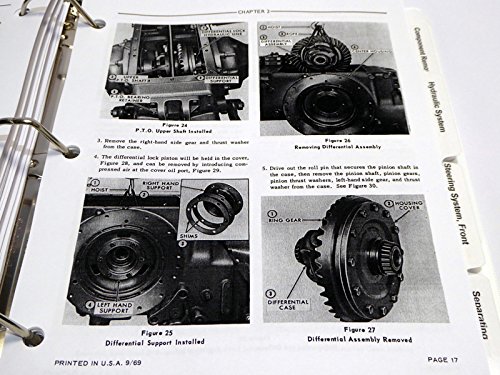
Illustrations demonstrating the process of removing the differential assembly and installing the differential support, key steps in hydraulic or drivetrain maintenance.
5.1. Differential Assembly
This subsection provides instructions for the removal and installation of the differential assembly. Pay close attention to torque specifications and proper alignment during reassembly.
6. Steering System
This section details the components and service procedures for the steering system, including the power steering pump and related linkages. Regular inspection ensures safe and responsive steering.
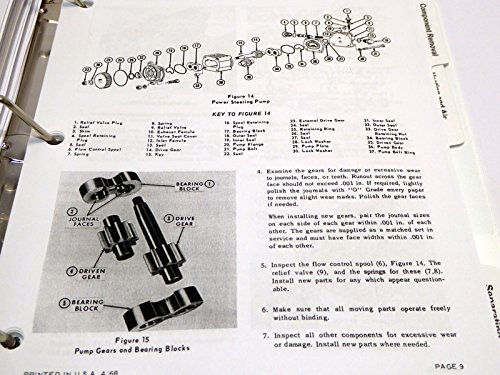
Detailed diagrams of the power steering pump, including an exploded view of its internal gears and bearing blocks, vital for steering system repairs.
6.1. Power Steering Pump Service
Instructions for inspecting, disassembling, and reassembling the power steering pump are provided. Ensure all seals and gaskets are replaced during service to prevent leaks.
7. Transmission and Clutch
This section covers the transmission and clutch systems, including their operation, adjustment, and repair. Proper maintenance of these components is crucial for smooth power transfer.
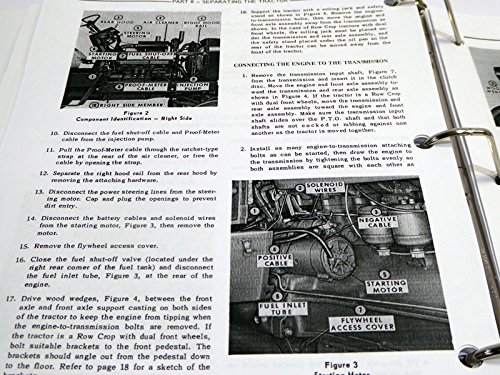
Pages from the manual detailing the procedure for connecting the engine to the transmission and providing a diagram of the starting motor, crucial for assembly and electrical system understanding.
7.1. Engine to Transmission Connection
Detailed steps are provided for connecting the engine to the transmission, including proper alignment and securing procedures. Refer to the diagrams for correct component identification.
8. Technical Specifications
This section outlines key technical specifications for the Ford 8000, 8600, 9000, and 9600 series tractors, as covered by this manual.
- Publisher: TechMedia
- Publication Date: January 1, 1973
- Language: English
- Form Number: SE 3095
- Pages: 462 (including foldout diagrams)
9. Safety Guidelines
Always prioritize safety when performing any maintenance or repair work on your tractor. Failure to follow safety precautions can result in serious injury or damage to equipment.
- Read and understand all instructions before beginning any procedure.
- Wear appropriate personal protective equipment (PPE), including safety glasses, gloves, and sturdy footwear.
- Ensure the tractor is on a stable, level surface and properly secured before working underneath or on moving parts.
- Disconnect the battery before working on the electrical system.
- Allow hot components to cool before handling.
- Use only approved tools and equipment.
10. Recommended Maintenance
Regular maintenance is crucial for ensuring the optimal performance and longevity of your Ford tractor. Adhere to the recommended service intervals outlined in this manual for fluid changes, filter replacements, and component inspections.
- Daily Checks: Inspect fluid levels, tire pressure, and general condition.
- 50-Hour Service: Lubricate grease points, check fan belt tension.
- 250-Hour Service: Change engine oil and filter, inspect air filter, check battery.
- 500-Hour Service: Change hydraulic and transmission fluid, replace fuel filters.
11. Troubleshooting Guide
This section provides a general guide to help diagnose common issues that may arise with your Ford tractor. For detailed troubleshooting, refer to the specific system sections within this manual.
- Engine Fails to Start: Check battery charge, fuel supply, and starter motor connections.
- Loss of Hydraulic Power: Inspect hydraulic fluid level, filter, and pump operation.
- Overheating Engine: Check coolant level, radiator cleanliness, and thermostat function.
- Unusual Noises: Identify the source of the noise and refer to the relevant system section for inspection.
12. Warranty and Support
This service manual is a reproduction of the original factory manual. Information regarding specific product warranties or direct manufacturer support for these vintage tractor models is not included within this document. For parts and service, consult a qualified Ford tractor specialist or authorized dealer.