
Introduction
This manual provides essential information for the operation, maintenance, and service of your 1962 Chevrolet full-size car. It covers models including Impala, SS, Biscayne, and Bel Air. Refer to this guide for detailed instructions on vehicle features, routine care, and troubleshooting.
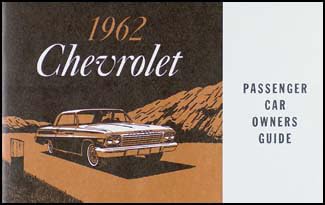
Figure 1: Front cover of the 1962 Chevrolet Car Owner's Manual. This image displays the manual's cover, featuring an illustration of a classic 1962 Chevrolet vehicle, indicating its purpose as a guide for owners of these models.
Setup and Initial Familiarization
Upon acquiring your 1962 Chevrolet, it is recommended to familiarize yourself with the vehicle's controls and features. This section outlines initial steps for understanding your car's basic functions.
- Dashboard Controls: Identify the speedometer, fuel gauge, temperature gauge, and oil pressure indicator. Understand their normal operating ranges.
- Lighting System: Locate and test the headlights (high and low beam), taillights, turn signals, and brake lights.
- Seating Adjustment: Adjust the driver's seat for optimal comfort and visibility. Ensure all passengers are seated safely.
- Mirror Adjustment: Properly adjust the rearview and side mirrors to provide clear visibility of the surrounding environment.
Operating Instructions
This section details the procedures for starting, driving, and parking your 1962 Chevrolet. Adherence to these instructions ensures safe and efficient vehicle operation.
- Starting the Engine:
- Ensure the transmission is in Park (P) or Neutral (N).
- Insert the key into the ignition and turn it to the "ON" position.
- Depress the accelerator pedal once or twice if the engine is cold.
- Turn the key to "START" and release once the engine fires. Do not crank for more than 10 seconds.
- Driving:
- Allow the engine to warm up slightly before driving.
- Engage the appropriate gear (Drive for automatic, 1st for manual).
- Accelerate smoothly and observe all traffic laws.
- Braking: Apply steady pressure to the brake pedal for smooth deceleration. Avoid sudden, harsh braking unless in an emergency.
- Parking: Select Park (P) for automatic transmissions or engage a low gear for manual transmissions. Apply the parking brake firmly.
Routine Maintenance
Regular maintenance is crucial for the longevity and performance of your 1962 Chevrolet. This manual provides guidelines for routine checks and service intervals.
- Oil Changes: Refer to the detailed schedule within this manual for recommended oil and filter change intervals, typically every 2,000 to 3,000 miles or every 3 months, whichever comes first.
- Fluid Checks: Regularly inspect engine oil, transmission fluid, brake fluid, power steering fluid, and coolant levels. Top up as necessary using specified fluids.
- Tire Pressure: Check tire pressure weekly, including the spare. Maintain pressures as specified on the tire placard, usually located on the driver's side door jamb or glove compartment.
- Lubrication: Periodically lubricate chassis components, door hinges, and other moving parts as outlined in the service section.
- Battery Care: Keep battery terminals clean and tight. Check electrolyte levels in non-maintenance-free batteries.
Troubleshooting Common Issues
This section offers guidance on diagnosing and resolving minor operational problems you might encounter with your vehicle.
| Symptom | Possible Cause | Action |
|---|---|---|
| Engine cranks but won't start | Empty fuel tank, fouled spark plugs, weak battery, ignition system fault | Check fuel level, inspect spark plugs, test battery, consult a mechanic for ignition issues. |
| Overheating engine | Low coolant, faulty thermostat, clogged radiator, loose fan belt | Check coolant level, inspect belts, allow engine to cool before checking radiator. Seek professional service if problem persists. |
| Poor braking performance | Worn brake pads, low brake fluid, air in brake lines | Inspect brake pads, check brake fluid level, have brake system bled by a qualified technician. |
For complex issues or if troubleshooting steps do not resolve the problem, it is recommended to consult a qualified automotive technician specializing in vintage vehicles.
Specifications
Key technical specifications for the 1962 Chevrolet full-size models are provided below. These details are for reference and may vary slightly based on specific trim levels and options.
- Dimensions: 5.25 x 8.25 x 0.09 inches (Manual dimensions)
- Weight: 2.32 ounces (Manual weight)
- Print Length: 48 pages
- Language: English
- Publication Date: January 1, 2015 (for this reprint manual)
- Publisher: CHEVY CHEVROLET GM
- ASIN: B00435JVC6
Note: Vehicle-specific specifications such as engine displacement, horsepower, and curb weight are detailed within the manual's dedicated specification chapters.
Warranty and Service
This reprint owner's manual provides information regarding the original vehicle's warranty and service procedures from 1962. For the manual itself, standard return policies apply.
- Original Vehicle Warranty: Refer to the specific section in this manual for details on the original manufacturer's warranty coverage and terms applicable to 1962 Chevrolet vehicles.
- Service Records: The manual includes sections for recording routine maintenance and service history, which is valuable for vehicle upkeep and resale.
- Manual Return Policy: This product (the manual) is subject to a 30-day return policy for refund or replacement, as per the seller's terms.
Support and Further Information
For additional assistance or specific inquiries not covered in this manual, consider the following resources:
- Authorized Chevrolet Dealerships: While 1962 models are vintage, some dealerships or specialized service centers may offer support or refer you to appropriate resources.
- Classic Car Forums and Communities: Online communities dedicated to classic Chevrolet vehicles can be a valuable source of information and peer support.
- Seller Information: For questions regarding the purchase of this manual, contact the seller, Classic Automotive Repair Shop & Restoration Manuals.


