
Introduction
This manual provides comprehensive instructions for the installation, operation, maintenance, and troubleshooting of your Akebono ACT941 Proact Ultra Premium Ceramic Disc Brake Pad Kit. Designed for passenger cars, these ceramic brake pads offer superior braking performance and quiet operation. Please read this manual thoroughly before beginning any work to ensure proper installation and safe operation.
Safety Information
WARNING: Brake system work requires specialized knowledge and tools. Improper installation can lead to brake failure, serious injury, or death. If you are not confident in your ability to perform this installation safely, seek assistance from a qualified automotive technician.
- Always wear appropriate personal protective equipment (PPE), including safety glasses and gloves.
- Ensure the vehicle is securely supported on jack stands on a level surface before beginning work. Never rely solely on a jack.
- Disconnect the negative battery terminal before working on any electrical components near the brake system.
- Do not allow brake fluid to come into contact with painted surfaces, as it can damage paint.
- Dispose of old brake components and fluids according to local regulations.
Setup and Installation
This section outlines the general procedure for installing the Akebono ACT941 brake pads. Specific steps may vary slightly depending on your vehicle's make and model. Refer to your vehicle's service manual for detailed instructions.
Tools and Materials Required:
- Vehicle jack and jack stands
- Lug wrench
- Socket set and ratchet
- C-clamp or brake caliper piston compression tool
- Brake cleaner
- High-temperature brake lubricant (e.g., silicone-based)
- Torque wrench
- Wire brush
- New Akebono ACT941 brake pads
Installation Steps:
- Prepare the Vehicle: Park the vehicle on a level surface, engage the parking brake, and block the rear wheels. Loosen the lug nuts on the wheels where brake pads will be replaced.
- Lift and Secure: Jack up the vehicle and place it securely on jack stands. Remove the lug nuts and then the wheel.
- Remove Caliper Bolts: Locate the caliper guide pin bolts (usually two). Remove these bolts using the appropriate socket.
- Remove Caliper: Carefully slide the caliper off the rotor. Do not let the caliper hang by the brake hose; support it with a wire or bungee cord to prevent damage to the hose.
- Remove Old Brake Pads: Remove the old brake pads from the caliper bracket. Note their orientation. Remove any old shims or hardware.
- Clean Caliper Bracket: Use a wire brush and brake cleaner to thoroughly clean the caliper bracket, especially where the brake pads slide. Apply a thin layer of high-temperature brake lubricant to the caliper slide pins and the contact points on the bracket where the new pads will rest.
- Compress Caliper Piston: Use a C-clamp or a brake caliper piston compression tool to slowly and evenly push the caliper piston back into its bore. This creates space for the thicker new pads. Monitor the brake fluid reservoir to ensure it does not overflow.
- Install New Hardware and Pads: Install any new shims or hardware provided with your Akebono ACT941 kit onto the caliper bracket. Insert the new Akebono ACT941 brake pads into the caliper bracket, ensuring they are correctly seated and oriented.
- Reinstall Caliper: Carefully slide the caliper back over the new pads and rotor. Align the caliper with the guide pin holes.
- Secure Caliper Bolts: Reinstall the caliper guide pin bolts and tighten them to the manufacturer's specified torque. Refer to your vehicle's service manual for torque specifications.
- Reinstall Wheel: Reinstall the wheel and hand-tighten the lug nuts.
- Lower Vehicle: Lower the vehicle to the ground.
- Torque Lug Nuts: Fully tighten the lug nuts in a star pattern to the vehicle manufacturer's specified torque.
- Repeat for Other Wheels: Repeat the process for all wheels requiring brake pad replacement.
- Pump Brake Pedal: Before driving, slowly pump the brake pedal several times until it feels firm. This will seat the caliper pistons against the new pads. Check the brake fluid level and top off if necessary.
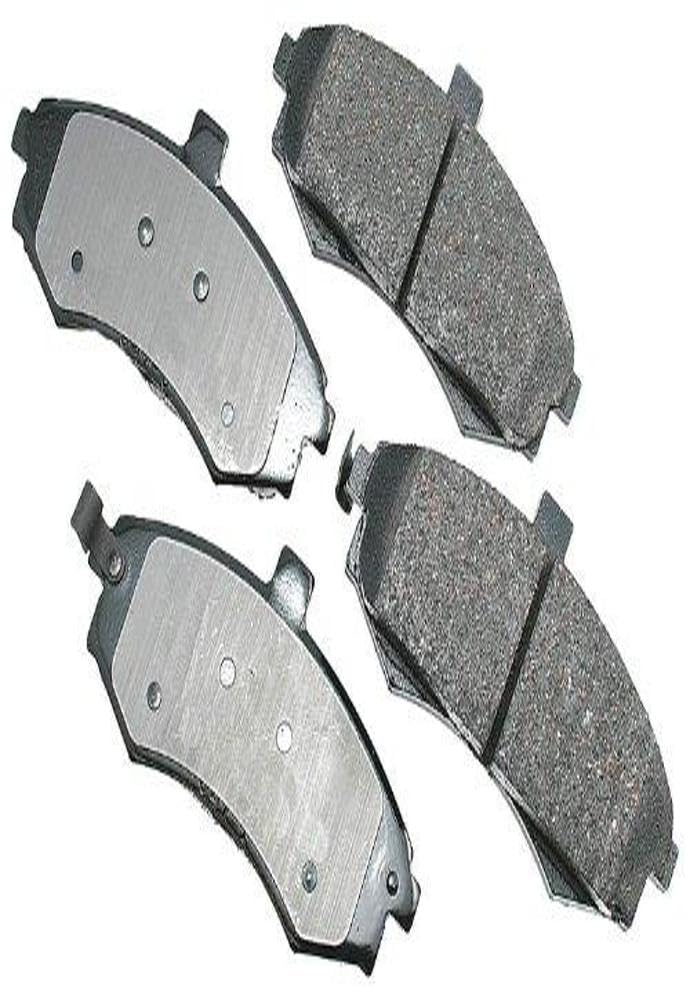
Image: Akebono ACT941 Proact Ultra Premium Ceramic Disc Brake Pad Kit. This image shows the complete brake pad kit, including the ceramic pads and associated hardware.
Operating (Brake Pad Bedding-In Procedure)
Properly bedding-in new brake pads is crucial for optimal performance, longevity, and quiet operation. This process transfers a thin layer of pad material to the rotor surface, creating an even friction layer.
- Find a safe, open area where you can accelerate and brake without interruption.
- Accelerate to approximately 35 mph (56 km/h) and apply moderate braking pressure to slow down to about 5 mph (8 km/h). Do not come to a complete stop.
- Repeat this process 5-6 times, allowing a short cool-down period between each stop.
- After the initial 5-6 stops, accelerate to approximately 50 mph (80 km/h) and apply firm braking pressure (but not hard enough to engage ABS) to slow down to about 5 mph (8 km/h).
- Repeat this firmer braking process 2-3 times, allowing a longer cool-down period between each stop.
- Avoid hard braking or prolonged braking (e.g., long downhill descents) for the first 200-300 miles (320-480 km) after installation.
During the bedding-in process, you may notice a slight burning smell or some smoke from the brakes. This is normal. Ensure the brakes are not overheated to the point of fading.
Maintenance
Regular inspection and maintenance of your brake system are essential for safety and performance.
- Periodic Inspection: Inspect brake pads, rotors, and calipers at least once a year or every 12,000 miles (19,000 km), or as recommended by your vehicle manufacturer. Check for pad wear, rotor condition (grooves, cracks), and caliper leaks.
- Brake Fluid: Check brake fluid level regularly. If the level is low, it may indicate worn pads or a leak. Use only the brake fluid specified by your vehicle manufacturer.
- Cleaning: If excessive brake dust accumulates, use a dedicated brake cleaner to remove it. Avoid using harsh chemicals that could damage rubber components.
- Pad Replacement: Replace brake pads when they reach their minimum thickness specification, typically around 2-3mm of friction material remaining.
Troubleshooting
This section addresses common issues you might encounter with your brake system.
| Symptom | Possible Cause | Solution |
|---|---|---|
| Squealing/Screeching Noise |
|
|
| Grinding Noise |
|
|
| Vibration/Pulsation |
|
|
| Soft/Spongy Pedal |
|
|
Specifications
| Feature | Detail |
|---|---|
| Brand | Akebono |
| Model Number | ACT941 |
| Material | Ceramic |
| Auto Part Position | Front |
| Vehicle Service Type | Passenger Car |
| Specification Met | OEM |
| Included Components | Brake Pad Kit |
| Item Weight | 16 ounces (0.45 kg) |
| UPC | 821726003393 |
Warranty Information
The Akebono ACT941 Proact Ultra Premium Ceramic Disc Brake Pad Kit comes with a 1-year manufacturer's warranty. This warranty covers defects in materials and workmanship under normal use and service. For specific terms, conditions, and claim procedures, please refer to the official Akebono warranty documentation or contact Akebono customer support.
Customer Support
For further assistance, technical questions, or warranty claims regarding your Akebono ACT941 brake pads, please contact Akebono customer support directly. You can typically find contact information on the Akebono official website or within the product packaging.
Always refer to your vehicle's specific service manual for detailed instructions and torque specifications relevant to your make and model.