
1. Introduction
This manual provides essential information for the proper installation, operation, and maintenance of your Dorman H620441 Front Driver Side Brake Hydraulic Hose. This component is engineered to match the fit, function, and performance of the original brake hose on specific vehicle models. Adhering to these instructions will help ensure safe and long-lasting durability as part of a complete brake system repair.
The Dorman H620441 is compatible with select Cadillac, Chevrolet, and GMC models, including various years of Cadillac Escalade, Chevrolet Avalanche, Chevrolet Silverado, Chevrolet Suburban, Chevrolet Tahoe, GMC Sierra, and GMC Yukon. Always verify compatibility with your specific vehicle's make, model, and trim level before installation.
2. Safety Information
Working with vehicle brake systems requires caution. Improper installation or maintenance can lead to brake failure, resulting in serious injury or death. If you are not confident in your ability to perform this installation, seek assistance from a qualified automotive technician.
- Always wear appropriate personal protective equipment (PPE), including safety glasses and gloves.
- Ensure the vehicle is securely supported on jack stands on a level surface before beginning any work. Never rely solely on a jack.
- Disconnect the vehicle's battery before working on electrical components, though this is not typically required for brake hose replacement.
- Brake fluid is corrosive. Avoid contact with skin, eyes, and painted surfaces. Clean up spills immediately.
- Properly dispose of old brake fluid and components according to local regulations.
- After installation, thoroughly bleed the brake system to remove all air. Air in the brake lines can cause a spongy pedal and reduced braking performance.
- Test the brakes in a safe area at low speed before driving the vehicle normally.
3. Setup and Installation
This section outlines the general procedure for replacing a front driver side brake hydraulic hose. Specific steps may vary slightly depending on your vehicle model. Refer to your vehicle's service manual for detailed instructions.
3.1. Tools and Materials Required
- Vehicle jack and jack stands
- Wheel lug wrench
- Flare nut wrenches (for brake line fittings)
- Open-end wrenches or sockets (for mounting bolts)
- Brake fluid (new, compatible with your vehicle)
- Brake bleeder kit or clear hose and container
- Drain pan for brake fluid
- Shop rags or towels
- Wire brush (for cleaning fittings)
- Penetrating oil (optional, for seized fittings)
3.2. Installation Steps
- Prepare the Vehicle: Park the vehicle on a level surface. Engage the parking brake. Loosen the lug nuts on the front driver side wheel, then raise the vehicle and secure it with jack stands. Remove the wheel.
- Locate the Old Hose: Identify the front driver side brake hydraulic hose. It connects the rigid brake line from the chassis to the brake caliper.
- Prepare for Fluid Loss: Place a drain pan beneath the brake hose connections to catch any dripping brake fluid.
- Disconnect the Caliper End: Using a flare nut wrench, carefully loosen and disconnect the brake hose from the brake caliper. Be prepared for brake fluid to leak out.
- Disconnect the Chassis End: Follow the hose up to where it connects to the rigid brake line on the vehicle chassis. Use a flare nut wrench to disconnect this fitting. There may also be a retaining clip or bolt holding the hose bracket to the chassis; remove this as well.
- Remove the Old Hose: Once both ends are disconnected and any retaining hardware is removed, carefully remove the old brake hose from the vehicle.
- Compare Hoses: Compare the new Dorman H620441 hose with the old hose to ensure they are identical in length, fitting types, and bracket locations.
- Install the New Hose: Install the new hose in the reverse order of removal. First, attach the chassis end, ensuring the fitting is properly seated and tightened to the manufacturer's specifications. Then, attach the caliper end. Ensure the hose is not twisted or kinked during installation. Secure any retaining clips or bolts.
- Bleed the Brake System: This is a critical step. Air must be removed from the brake lines. Follow your vehicle's specific procedure for bleeding the front driver side brake caliper. This typically involves having an assistant pump the brake pedal while you open and close the bleeder screw on the caliper. Continue until no air bubbles are visible in the fluid exiting the bleeder screw.
- Check Fluid Level: After bleeding, check the brake fluid reservoir level and top it off with new, compatible brake fluid if necessary.
- Reinstall Wheel and Test: Reinstall the wheel and tighten lug nuts to specification. Lower the vehicle. Before driving, pump the brake pedal several times to ensure a firm pedal feel. Test the brakes at low speed in a safe area to confirm proper operation.
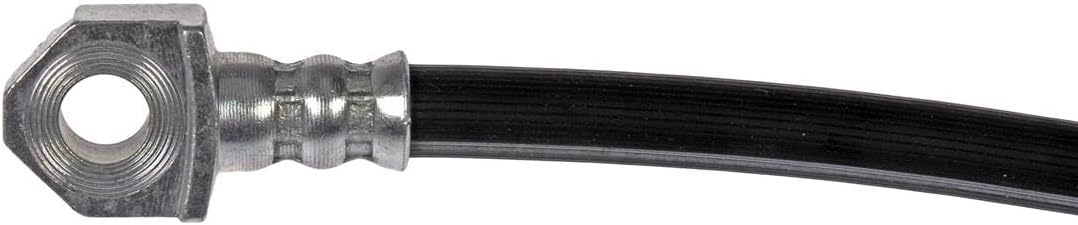
Figure 1: Full view of the Dorman H620441 Front Driver Side Brake Hydraulic Hose.
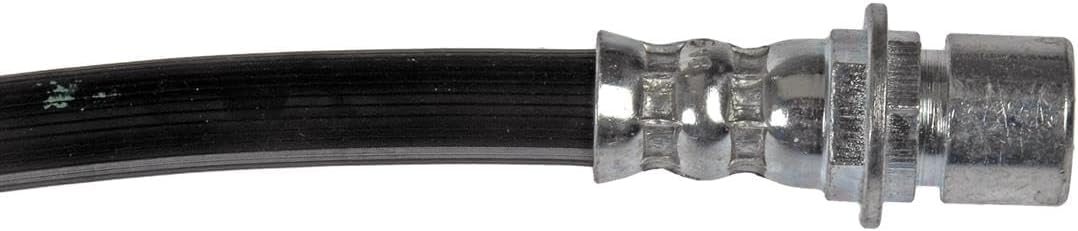
Figure 2: Close-up of the banjo fitting end, which typically connects to the brake caliper.

Figure 3: Close-up of the threaded fitting end, which typically connects to the vehicle's rigid brake line.
4. Operating Principles
The Dorman H620441 brake hydraulic hose is a critical component of your vehicle's hydraulic braking system. When the brake pedal is pressed, the master cylinder generates hydraulic pressure. This pressure is transmitted through rigid brake lines and then through flexible brake hoses to the brake calipers at each wheel. The flexibility of the hose allows for suspension movement and steering without compromising the hydraulic connection. The pressure forces the caliper pistons to extend, pressing the brake pads against the rotors, which creates friction and slows or stops the vehicle.
This hose is constructed with EPDM rubber and features specially coated, corrosion-resistant fittings to ensure reliable performance under various operating conditions.
5. Maintenance
Regular inspection of your brake hydraulic hoses is recommended as part of routine vehicle maintenance. Look for the following signs of wear or damage:
- Cracks or Fissures: Inspect the rubber hose for any visible cracks, especially near the fittings or where the hose bends.
- Bulges or Swelling: A bulge in the hose indicates internal damage and a potential rupture point.
- Leaks: Any signs of brake fluid leaking from the hose or its connections require immediate attention.
- Abrasion or Rubbing: Ensure the hose is not rubbing against suspension components, the frame, or the wheel, which can cause wear.
- Corrosion: Check the metal fittings for significant rust or corrosion that could compromise their integrity.
If any of these conditions are observed, the brake hose should be replaced immediately. It is also advisable to replace brake fluid periodically as recommended by your vehicle manufacturer, as old fluid can degrade internal hose components.
6. Troubleshooting
Issues related to brake hydraulic hoses often manifest as problems with braking performance. Here are some common symptoms and potential causes:
| Symptom | Possible Cause (Hose Related) | Action |
|---|---|---|
| Spongy or Soft Brake Pedal | Air in the brake lines (common after hose replacement), hose expansion due to age/damage. | Bleed the brake system thoroughly. Inspect hose for bulges or swelling. |
| Brake Fluid Leak | Damaged hose, loose or corroded fittings. | Locate leak source. Tighten fittings if loose. Replace hose if damaged. |
| Vehicle Pulls to One Side During Braking | Collapsed internal lining of a brake hose, restricting fluid flow to one caliper. | Inspect hoses for internal collapse (difficult to see externally). Replace affected hose. |
| Brake Pedal Stays Down / Brakes Drag | Internal hose collapse acting as a one-way valve, preventing fluid return. | Replace affected hose. |
For more detailed troubleshooting, you may refer to the official Dorman Troubleshooting Guide available as a PDF: Dorman Troubleshooting Guide (PDF).
7. Specifications
| Attribute | Value |
|---|---|
| Brand | Dorman |
| Model Number | H620441 |
| Material | Rubber |
| Color | Black |
| Item Weight | 6.4 ounces (0.4 Pounds) |
| Product Dimensions | 7.2 x 5.7 x 2.1 inches |
| Included Components | Brake Hydraulic Hose |
8. Warranty and Support
Dorman products are manufactured to high-quality standards. For specific warranty information regarding the Dorman H620441 brake hydraulic hose, please refer to the warranty documentation included with your purchase or visit the official Dorman website. For technical support or inquiries, you can contact Dorman Products directly through their official channels.
Visit the Dorman Store for more information: Dorman Official Store
