
1. Introduction
This manual provides essential information for the installation, operation, and maintenance of your Bosch 15698 OE Fitment Oxygen Sensor. Oxygen sensors are critical components in modern vehicle emission control systems, monitoring the oxygen content in exhaust gases to help the engine's computer (ECU) optimize fuel combustion.
The Bosch 15698 sensor is engineered for superior performance and durability, leveraging decades of manufacturing experience. It features a double laser-welded stainless steel body for protection against exhaust emissions and a fast-acting heater for optimal operation.
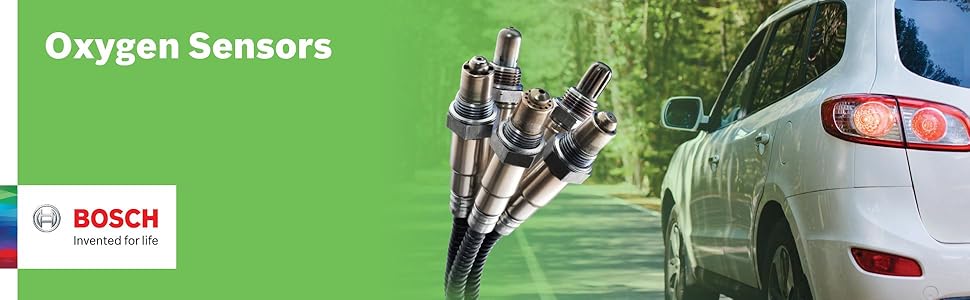
Image 1: Bosch Oxygen Sensors in automotive application.
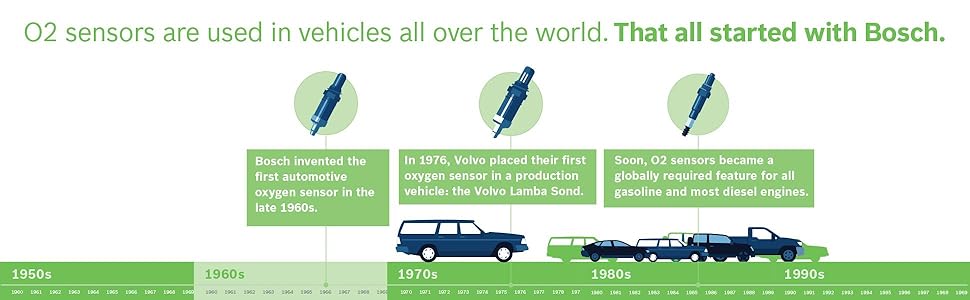
Image 2: Historical development of oxygen sensors by Bosch.
2. Compatibility
The Bosch 15698 Oxygen Sensor is compatible with select vehicles. It is crucial to verify specific fitment details, including the sensor position (upstream or downstream), for your vehicle before installation. Consult your vehicle's service manual or a reputable fitment guide.
Compatible Vehicle Models:
- CADILLAC: 2008-2014 Escalade, 2008-2014 Escalade ESV, 2008-2013 Escalade EXT
- CHEVROLET: 2008-2013 Avalanche, 2010-2015 Camaro, 2014-2017 Caprice, 2008-2013 Corvette, 2008-2010 Malibu, 2008-2013 Silverado 1500, 2008-2015 Silverado 2500 HD, 2008-2015 Silverado 3500 HD, 2014-2017 SS, 2008-2014 Suburban 1500, 2008-2013 Suburban 2500, 2008-2014 Tahoe
- GMC: 2008-2013 Sierra 1500, 2008-2015 Sierra 2500 HD, 2008-2015 Sierra 3500 HD, 2008-2014 Yukon, 2008-2014 Yukon XL 1500, 2008-2013 Yukon XL 2500
- PONTIAC: 2008-2010 G6
- SATURN: 2008 Aura
3. Package Contents
The package for the Bosch 15698 Oxygen Sensor typically includes:
- One (1) Bosch 15698 OE Fitment Oxygen Sensor
4. Setup and Installation
Installation of an oxygen sensor requires basic automotive knowledge and tools. If you are unsure about any step, it is recommended to seek professional assistance.
Safety Precautions:
- Always wear appropriate personal protective equipment (PPE), including safety glasses and gloves.
- Ensure the vehicle is turned off, the engine is cool, and the battery is disconnected before beginning work.
- Work in a well-ventilated area.
Installation Steps:
- Identify Sensor Location: Locate the oxygen sensor(s) on your vehicle. Refer to your vehicle's service manual for exact locations (e.g., upstream before catalytic converter, downstream after catalytic converter).
- Disconnect Electrical Connector: Carefully disconnect the electrical connector from the old oxygen sensor.
- Remove Old Sensor: Use an oxygen sensor socket or a wrench to remove the old sensor from the exhaust system. Be aware that sensors can be tightly seized due to heat and corrosion.
- Prepare New Sensor: The Bosch 15698 sensor comes with threads pre-coated with anti-seize compound. Do not apply additional anti-seize unless specifically instructed by the manufacturer. Avoid getting grease or dirt on the sensor tip.
- Install New Sensor: Carefully thread the new Bosch 15698 sensor into the exhaust bung by hand to prevent cross-threading. Once hand-tight, use the oxygen sensor socket or wrench to tighten it to the vehicle manufacturer's specified torque.
- Connect Electrical Connector: Reconnect the electrical connector securely. Ensure it clicks into place.
- Reconnect Battery: Reconnect the vehicle's battery.
- Clear Diagnostic Codes: If a "Check Engine Light" was present, use an OBD-II scanner to clear any stored diagnostic trouble codes (DTCs).
- Test Drive: Start the vehicle and perform a test drive to ensure proper operation and that no new codes are generated.

Image 3: Main view of the Bosch 15698 Oxygen Sensor.

Image 4: Side view of the Bosch 15698 Oxygen Sensor with its electrical connector.
5. Operating Principles
The oxygen sensor continuously monitors the amount of oxygen in the exhaust gases. This data is sent to the vehicle's Engine Control Unit (ECU), which then adjusts the air-fuel mixture for optimal combustion. A properly functioning oxygen sensor ensures:
- Improved Engine Performance: Accurate air-fuel ratio leads to efficient engine operation.
- Increased Fuel Efficiency: Optimized combustion reduces fuel consumption.
- Prevention of Catalytic Converter Failure: Maintaining the correct air-fuel ratio protects the catalytic converter from damage caused by rich or lean conditions.
- Reduced Harmful Emissions: Proper combustion minimizes the release of pollutants into the atmosphere.
Improved Engine Performance
Increased Fuel Efficiency
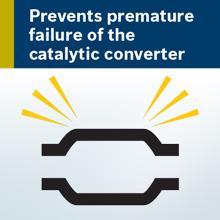
Prevents Catalytic Converter Failure

Reduces Harmful Emissions
6. Maintenance
Oxygen sensors are wear-and-tear items and require periodic replacement. There are no user-serviceable parts within the sensor itself.
- Replacement Intervals: It is critical to replace oxygen sensors at the suggested intervals provided by your vehicle manufacturer. Failure to do so can lead to decreased fuel economy, increased emissions, and potential damage to other engine components, including the catalytic converter.
- Inspection: During routine vehicle maintenance, a technician may inspect the oxygen sensor and its wiring for visible damage or corrosion.
7. Troubleshooting
A failing oxygen sensor can manifest in several ways. If you experience any of the following symptoms, it may indicate a need for sensor inspection or replacement:
- Check Engine Light: This is the most common indicator. An OBD-II scanner will often show codes related to oxygen sensor performance (e.g., P0133, P0171, P0172).
- Decreased Fuel Economy: An inaccurate sensor can cause the engine to run rich or lean, leading to inefficient fuel consumption.
- Increased Emissions: A faulty sensor can result in higher levels of pollutants in the exhaust.
- Rough Engine Idle or Misfires: Incorrect air-fuel mixture can affect engine smoothness.
- Failed Emissions Test: A malfunctioning oxygen sensor is a common reason for failing an emissions inspection.
Recommendation: If you suspect an issue with your oxygen sensor, it is recommended to have your vehicle diagnosed by a qualified automotive technician. They can accurately determine the cause of the problem and recommend the appropriate repair.
8. Specifications
| Feature | Specification |
|---|---|
| Brand | Bosch |
| Model Number | 15698 |
| OEM Part Number | 12611165 |
| Material | Stainless Steel |
| Item Weight | 0.25 Pounds (approx. 4 ounces) |
| Dimensions (L x W x H) | 2.2 x 1.97 x 5.83 inches |
| Style | Oxygen Sensor |
| Maximum Supply Voltage | 12 Volts (DC) |
| Measurement Accuracy | ±1% |
| Mounting Type | Flange Mount |
| Output Type | Electrical Signal |
| Specific Uses | Automotive exhaust monitoring and emission control |
| Upper Temperature Rating | 1652 Degrees Fahrenheit |
| UPC | 028851156981 |
9. Warranty and Support
For information regarding the warranty of your Bosch 15698 OE Fitment Oxygen Sensor, please refer to the documentation included with your purchase or visit the official Bosch Automotive website. Warranty terms and conditions may vary.
For technical support, installation inquiries, or further assistance, please contact Bosch Automotive customer service through their official channels. Contact information can typically be found on the Bosch website or product packaging.


