
1. Product Overview
The Gates 27057 Transmission Oil Cooler Hose is designed to provide a reliable and durable connection between your vehicle's oil cooler and transmission. This hose is constructed from a synthetic rubber tube and features an oil- and abrasion-resistant black CSM cover, ensuring resistance to heat, ozone, and various chemicals encountered in automotive applications.
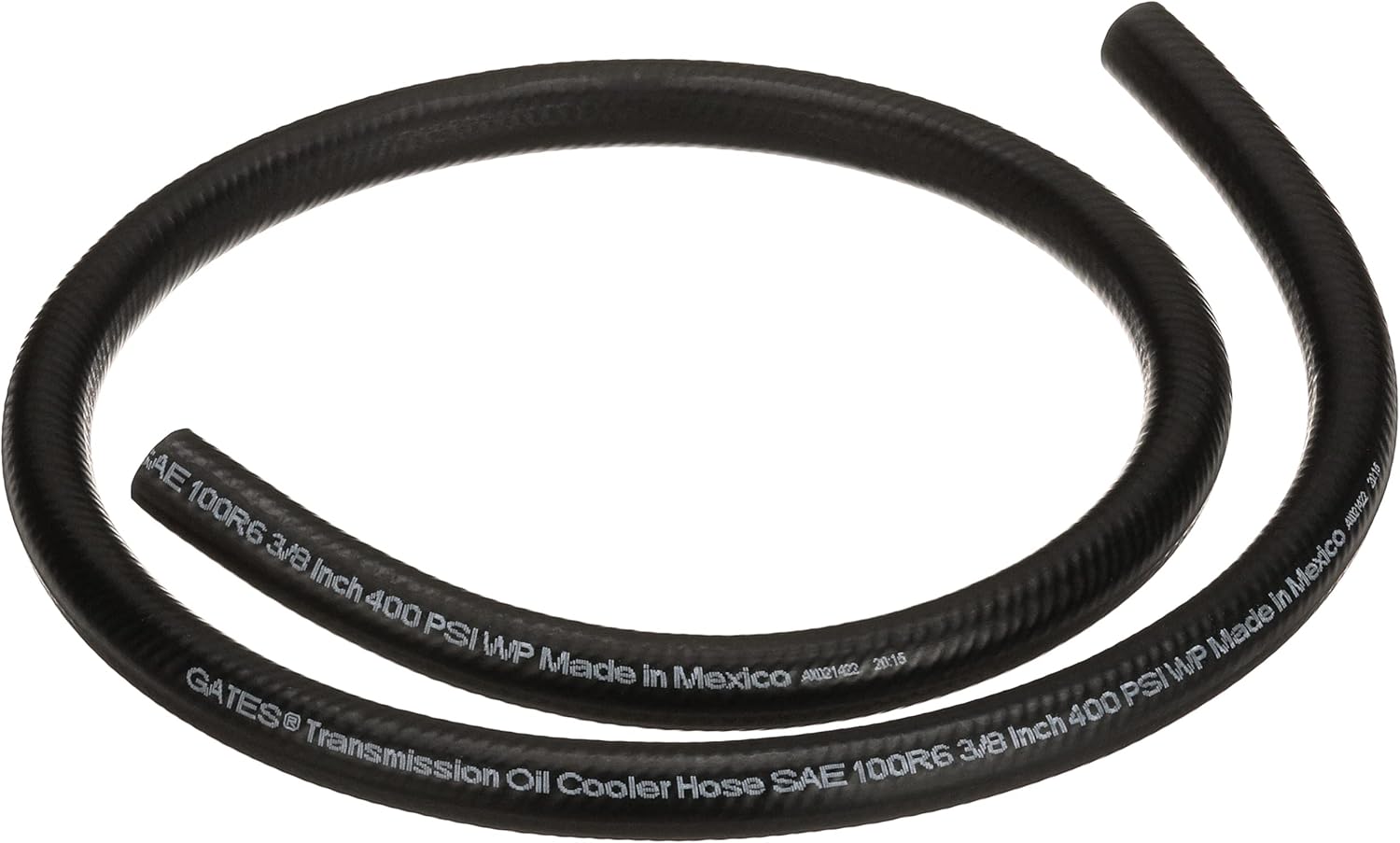
Image 1.1: The Gates 27057 Transmission Oil Cooler Hose, shown coiled. This hose is designed for durability and resistance to automotive fluids and temperatures.
2. Key Features
- Durable Construction: Engineered with a synthetic rubber tube for optimal fluid transfer.
- Resistant Outer Cover: Features an oil- and abrasion-resistant black CSM cover for enhanced longevity.
- Reinforced Strength: Includes a braided synthetic fiber-reinforced cord to increase burst strength and prevent kinking.
- Industry Standards: Meets or exceeds SAE 100R6 specifications for hydraulic hose performance.
- Wide Temperature Range: Operates effectively in temperatures from -40°F to +275°F (-40°C to +135°C).
- Easy Identification: Packaging includes clear instructions and a hose diameter indicator for correct application.

Image 2.1: A close-up view of the hose's cross-section, showing the robust inner lining and outer cover designed for durability.

Image 2.2: An illustrative diagram detailing the multi-layered construction of the Gates transmission oil cooler hose, highlighting the synthetic rubber tube, braided reinforcement, and CSM cover.
3. Technical Specifications
| Attribute | Value |
|---|---|
| Brand | Gates |
| Model Number | 27057 |
| Material | Nitrile (synthetic rubber tube), CSM (cover) |
| Color | Black |
| Inner Diameter | 3/8 inches |
| Outside Diameter | 0.42 inches |
| Nominal Wall Thickness | 0.025 inches |
| Length | 3 Feet |
| Maximum Pressure | 400 PSI (Pound per Square Inch) |
| Temperature Range | -40°F to +275°F (-40°C to +135°C) |
| Standards Met | SAE 100R6 |
| Item Weight | 0.01 Ounces |
| UPC | 072053134919 |
4. Installation Instructions
Proper installation is crucial for the performance and longevity of your Gates Transmission Oil Cooler Hose. If you are unsure about any step, consult a qualified automotive technician.
4.1 Safety Precautions
- Always wear appropriate personal protective equipment (PPE), including safety glasses and gloves.
- Ensure the vehicle is turned off, cooled down, and securely supported on jack stands or a lift.
- Be aware that transmission fluid may be hot and can cause burns. Have a drain pan ready to collect fluid.
4.2 Required Tools and Materials
- New Gates 27057 Transmission Oil Cooler Hose
- Hose clamps (ensure correct size for 3/8" ID hose)
- Hose cutter or sharp utility knife
- Socket/wrench set or screwdriver (for clamps)
- Drain pan
- Clean rags
- New transmission fluid (if topping off or refilling)
4.3 Installation Steps
- Prepare the Vehicle: Park the vehicle on a level surface, engage the parking brake, and allow the engine and transmission to cool completely. Raise the vehicle safely using a jack and secure it with jack stands.
- Locate Hoses: Identify the existing transmission oil cooler hoses connecting the transmission to the cooler. Note their routing.
- Drain Fluid (Optional but Recommended): Place a drain pan beneath the hose connection points. Loosen the clamps on the old hose and carefully remove it, allowing any residual transmission fluid to drain.
- Measure and Cut New Hose: Compare the new Gates hose to the old hose. Cut the new hose to the exact length of the old hose using a sharp hose cutter or utility knife to ensure clean, straight cuts.
- Install Clamps: Slide the new hose clamps onto the ends of the new Gates hose before attaching it to the fittings.
- Connect Hose: Carefully push the ends of the new hose onto the transmission and cooler fittings. Ensure the hose is fully seated on the barb fittings.
- Secure Clamps: Position the hose clamps over the fittings and tighten them securely. Do not overtighten, as this can damage the hose.
- Inspect and Refill: Double-check all connections for tightness. Lower the vehicle. Check the transmission fluid level and add new fluid as needed according to your vehicle manufacturer's specifications.
- Test for Leaks: Start the engine and allow it to reach operating temperature. Carefully inspect the new hose connections for any signs of leaks. Monitor fluid levels after a short drive.
5. Operation and Performance
Once correctly installed, the Gates 27057 Transmission Oil Cooler Hose operates as a critical component in your vehicle's transmission cooling system. It facilitates the flow of transmission fluid to and from the oil cooler, helping to maintain optimal transmission operating temperatures. This prevents overheating, which can lead to premature wear and damage to transmission components.
The hose's robust construction ensures it can withstand the pressures and temperatures of the transmission system, providing a reliable and leak-free pathway for fluid circulation.
6. Maintenance
Regular inspection of your transmission oil cooler hose can help identify potential issues before they become serious problems. Follow these maintenance guidelines:
- Visual Inspection: Periodically check the entire length of the hose for signs of wear, cracks, bulges, hardening, softening, or abrasion. Pay close attention to areas near clamps and bends.
- Leak Detection: Look for any signs of fluid leaks around the hose connections or along the hose itself. Even small drips can indicate a problem.
- Clamp Security: Ensure that all hose clamps are tight and secure. If a clamp appears loose or corroded, replace it.
- Fluid Level Check: Regularly check your transmission fluid level as part of your vehicle's routine maintenance. A consistently low level might indicate a slow leak.
- Replacement Schedule: While this hose is designed for durability, all rubber components eventually degrade. Consult your vehicle's service manual for recommended transmission hose inspection and replacement intervals. Replace the hose immediately if any damage is observed.
7. Troubleshooting
If you encounter issues related to your transmission oil cooler hose, consider the following common problems and solutions:
| Problem | Possible Cause | Solution |
|---|---|---|
| Transmission Fluid Leak | Loose hose clamps, damaged hose, improper installation, cracked fitting. | Tighten or replace clamps. Inspect hose for damage and replace if necessary. Ensure hose is fully seated on fittings. Check fittings for cracks. |
| Hose Appears Swollen or Bulging | Internal damage, excessive pressure, fluid incompatibility, age. | Replace the hose immediately. This indicates a critical failure risk. |
| Hose is Hard or Brittle | Age, exposure to extreme heat or chemicals. | Replace the hose. Hardened hoses are prone to cracking and leaks. |
| Transmission Overheating | Restricted fluid flow due to kinked or collapsed hose, clogged cooler, low fluid level. | Inspect hose for kinks or collapse and replace if found. Check transmission fluid level. Inspect and clean/replace transmission cooler if necessary. |
If troubleshooting steps do not resolve the issue, it is recommended to seek professional automotive service.
8. Warranty and Support
8.1 Warranty Information
Gates products are manufactured to high-quality standards. For specific warranty details regarding the Gates 27057 Transmission Oil Cooler Hose, please refer to the official Gates warranty policy available on their website or contact Gates customer service directly. Keep your proof of purchase for any warranty claims.
8.2 Customer Support
For technical assistance, product inquiries, or support, please contact Gates customer service. You can typically find contact information on the official Gates website (www.gates.com).
When contacting support, please have the product model number (27057) and any relevant purchase information ready.