
Product Overview
The Dorman M73333 Brake Master Cylinder is engineered to precisely match the design, function, and performance of the original master cylinder on specific American Motors vehicle years, makes, and models. Constructed from new, high-quality materials, it provides a safe and durable replacement for your vehicle's braking system.
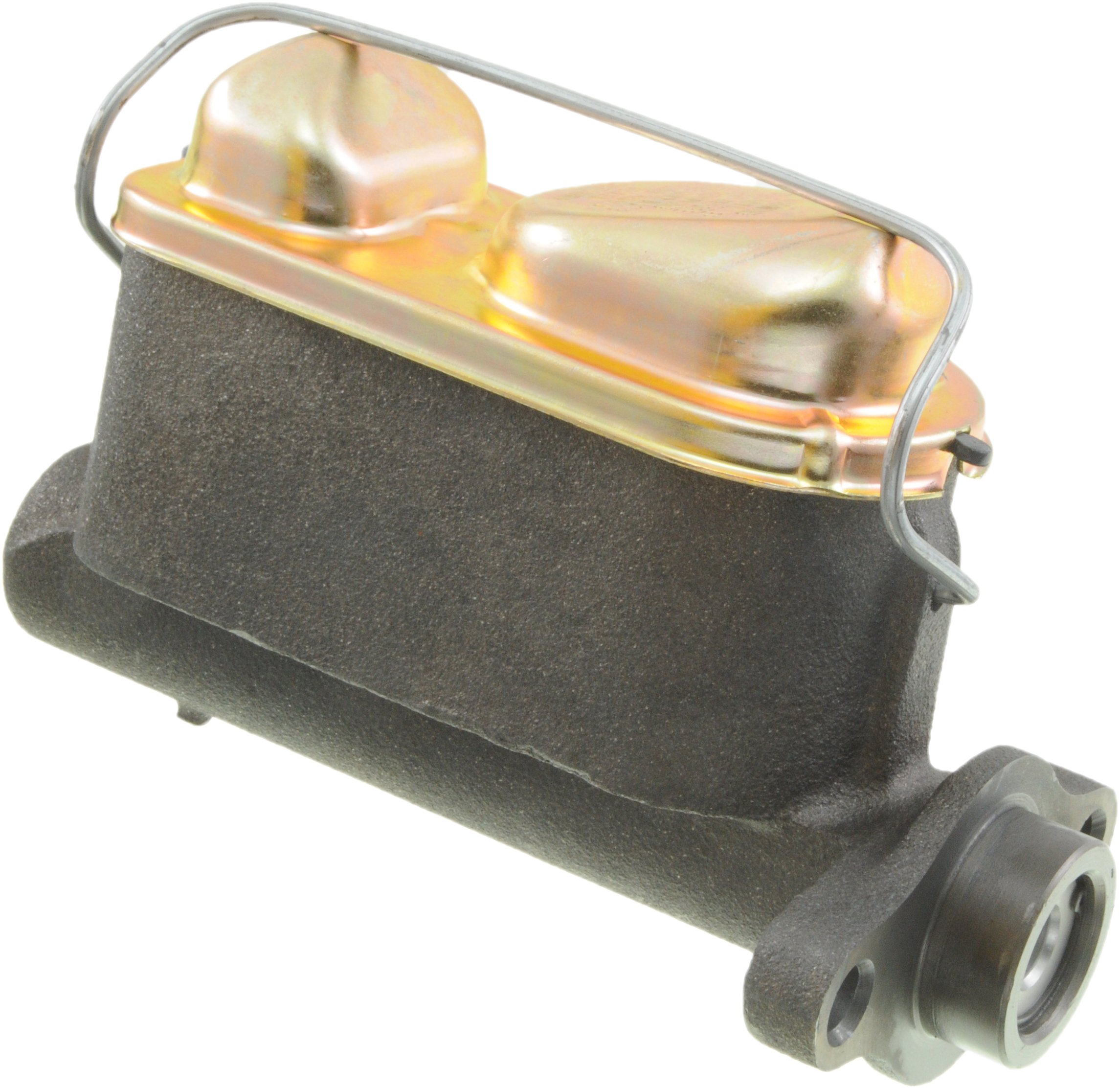
Image: Front view of the Dorman M73333 Brake Master Cylinder, showing the main body and reservoir cap.
Key Features:
- Precise Replacement: Cylinder housing matches the casting material of the original part for similar performance.
- Durable Design: All rubber components are made of high-quality EPDM compound, resistant to glycol-based brake fluid.
- 100% New: Manufactured entirely from new materials, not remanufactured, ensuring high quality and safety.
- Strict Specifications: Designed to meet rigorous SAE International standards.
- Vehicle Fitment: Compatible with specific American Motors models including Ambassador (1967-1970), American (1968), AMX (1968-1970), Gremlin (1970-1976), Hornet (1970-1976), Javelin (1968-1974), Pacer (1975-1976), and Rebel (1968-1970). Always confirm fitment using a vehicle compatibility tool.
Important Safety Information
Brake system components are critical for vehicle safety. Improper installation or maintenance can lead to brake failure, serious injury, or death. If you are not experienced with automotive brake system repair, it is highly recommended to seek professional assistance from a certified mechanic. Always wear appropriate personal protective equipment (PPE) including safety glasses and gloves. Refer to your vehicle's service manual for specific procedures and torque specifications.
Installation Instructions
This section provides general guidelines for replacing a brake master cylinder. Specific steps may vary depending on your vehicle model. Always consult your vehicle's factory service manual for detailed instructions.
Tools and Materials Required:
- New Dorman M73333 Brake Master Cylinder
- Brake fluid (DOT 3 or as specified by vehicle manufacturer)
- Line wrenches
- Bleeder kit or vacuum pump
- Drain pan
- Shop rags
- Safety glasses and gloves
Step-by-Step Guide:
- Preparation: Park the vehicle on a level surface and engage the parking brake. Allow the engine to cool. Disconnect the negative battery terminal.
- Drain Fluid: Place a drain pan under the master cylinder. Use a turkey baster or similar tool to remove as much old brake fluid from the reservoir as possible.
- Disconnect Lines: Using a line wrench, carefully disconnect the brake lines from the master cylinder. Be prepared for residual fluid to leak out. Cap the lines to prevent contamination and excessive fluid loss.
- Remove Old Master Cylinder: Unbolt the master cylinder from the brake booster or firewall. Remove the old unit.
- Bench Bleeding (Crucial Step): Before installing the new master cylinder, it must be bench bled to remove air from its internal chambers.
- Mount the new master cylinder in a vise.
- Attach the plastic bleeder tubes (often included with the new unit) to the outlet ports and route them into the reservoir, ensuring the ends are submerged in new brake fluid.
- Fill the reservoir with fresh brake fluid.
- Using a blunt tool (like a large screwdriver), slowly push the piston inward until it bottoms out, then release. Repeat this process until no air bubbles are visible in the bleeder tubes. Maintain fluid level in the reservoir.

Image: Top view of the Dorman M73333 Brake Master Cylinder, showing the reservoir and fluid level markings.
- Install New Master Cylinder: Install the new, bench-bled master cylinder onto the brake booster or firewall. Tighten mounting bolts to vehicle manufacturer specifications.
- Reconnect Brake Lines: Carefully reconnect the brake lines to the master cylinder. Ensure threads are not cross-threaded and tighten to specifications.
- Bleed Entire Brake System: After installation, the entire brake system must be bled to remove any remaining air. Start with the wheel cylinder or caliper furthest from the master cylinder and work your way closer. Follow your vehicle's specific bleeding procedure.
- Check for Leaks: After bleeding, pump the brake pedal several times and hold pressure. Inspect all connections for leaks.
- Test Drive: Perform a cautious test drive in a safe area to ensure proper brake function before normal operation.
Operation
The brake master cylinder is a hydraulic component that converts the mechanical force from the brake pedal into hydraulic pressure. This pressure is then transmitted through the brake lines to the wheel cylinders or calipers, which apply the brake pads or shoes to slow or stop the vehicle.
Post-Installation Checks:
- Ensure the brake pedal feels firm and consistent.
- Verify there are no warning lights on the dashboard related to the brake system.
- Check brake fluid level and top off if necessary.
- Listen for any unusual noises during braking.
Maintenance
Proper maintenance of your brake system, including the master cylinder, is essential for safe vehicle operation.
Recommended Maintenance:
- Regular Fluid Level Checks: Periodically check the brake fluid level in the master cylinder reservoir. It should be between the MIN and MAX lines. A low fluid level can indicate a leak or worn brake pads.
- Brake Fluid Quality: Brake fluid absorbs moisture over time, which can lead to corrosion and reduced braking performance. Consult your vehicle's service manual for recommended brake fluid flush intervals. Use only the specified type of brake fluid (e.g., DOT 3).
- Inspect for Leaks: Regularly inspect the master cylinder and surrounding brake lines for any signs of fluid leaks. Address any leaks immediately.
- Brake Pedal Feel: Pay attention to changes in brake pedal feel. A spongy or soft pedal may indicate air in the system or a failing master cylinder.
Troubleshooting Common Issues
If you experience issues with your brake system after installing the Dorman M73333 Brake Master Cylinder, consider the following common problems and potential solutions:
| Symptom | Possible Cause | Solution |
|---|---|---|
| Spongy or Soft Brake Pedal | Air in the brake system; improper bench bleeding; residual air after system bleeding. | Re-bleed the master cylinder and the entire brake system thoroughly. Ensure proper bench bleeding was performed. |
| Brake Pedal Goes to Floor | Internal master cylinder seal failure; severe fluid leak in the system. | Inspect for external leaks. If no external leaks are found, the master cylinder may be faulty and require replacement. |
| Fluid Leak from Master Cylinder | Loose brake line connections; damaged seals; cracked reservoir. | Tighten brake line connections to specifications. Inspect the master cylinder for visible damage. Replace if damaged. |
| Hard Brake Pedal | Brake booster issue; obstructed brake lines; incorrect master cylinder. | Check brake booster operation. Inspect brake lines for kinks or blockages. Verify correct master cylinder for vehicle application. |
If troubleshooting steps do not resolve the issue, consult a qualified automotive technician.
Specifications
Detailed specifications for the Dorman M73333 Brake Master Cylinder:
- Manufacturer: Dorman Products
- Brand: Dorman
- Item Weight: 6.82 pounds
- Product Dimensions: 12.1 x 6.5 x 4.6 inches
- Item Model Number: M73333
- Manufacturer Part Number: M73333
- OEM Part Numbers: 10-1384; 11384; 13-1384; 130.63011; 18M29; 355-66000; 73333; 83-32011; 83-32026; F73333; M-83011; M1383; M1384; M900159; MC36386; MC39024; MC512110; MC73333; 4485577; J8126721
- ASIN: B001PYO1LE
- Date First Available: October 10, 2007
Warranty Information
Dorman products are manufactured to high-quality standards. For specific warranty details pertaining to the Dorman M73333 Brake Master Cylinder, please refer to the official Dorman website or contact Dorman customer service. Generally, Dorman offers a limited lifetime warranty on many of its automotive replacement parts, covering defects in material and workmanship under normal use and service.
Support and Contact Information
For further assistance, technical support, or to view additional Dorman products, please visit the official Dorman website or contact their customer service department.
- Dorman Official Website: www.dormanproducts.com
- Dorman Store on Amazon: Visit the Dorman Store


