
1. Product Overview
The Dorman H38432 Brake Hydraulic Hose is a precision-engineered automotive component designed to match the fit, function, and performance of the original brake hose on specific vehicles. This hose is crucial for the proper operation of your vehicle's braking system, ensuring safe and reliable performance as part of a complete brake repair.
It is manufactured to precise measurements for an exact fit and easy installation, made with EPDM rubber and specially coated, corrosion-resistant fittings to ensure long-lasting durability.
Key Features:
- Ideal Replacement: Engineered to match original equipment performance.
- Position-Specific: Designed for an exact fit and straightforward installation.
- Quality Assured: Materials tested to meet safety and durability standards.
- Durable Design: Constructed with EPDM rubber and corrosion-resistant fittings.
2. Product Compatibility
This brake hydraulic hose is compatible with select Toyota models. To ensure proper fitment for your vehicle, it is essential to verify compatibility using your vehicle's make, model, and trim level.
Known Compatible Vehicles:
- Toyota Land Cruiser: 1981, 1982, 1983, 1984, 1985, 1986, 1987, 1988, 1989, 1990
Always consult a professional mechanic or refer to your vehicle's service manual for definitive compatibility and installation procedures.
3. Installation (Setup)
Installation of brake components requires specialized knowledge and tools. If you are not experienced in automotive brake system repair, it is highly recommended to seek professional assistance. Improper installation can lead to brake failure and serious injury.
Safety Precautions:
- Wear appropriate personal protective equipment (PPE), including safety glasses and gloves.
- Ensure the vehicle is securely supported on jack stands on a level surface.
- Never work under a vehicle supported only by a jack.
- Brake fluid is corrosive; avoid contact with skin and painted surfaces.
- Do not allow air into the brake system during the process.
General Installation Steps (Consult Service Manual for Specifics):
- Preparation: Gather necessary tools, new brake fluid, and a brake bleeding kit. Position a drain pan to catch old brake fluid.
- Remove Old Hose: Carefully loosen and remove the banjo bolt or flare nut connections securing the old brake hose to the caliper/wheel cylinder and the brake line. Be prepared for brake fluid to leak.
- Install New Hose: Position the new Dorman H38432 brake hose, ensuring it is not twisted or kinked. Securely attach the fittings to the caliper/wheel cylinder and the brake line. Torque fasteners to manufacturer specifications.
- Bleed Brake System: After installation, it is critical to bleed the brake system to remove any air that may have entered. Follow the vehicle manufacturer's recommended bleeding procedure. This typically involves starting with the wheel furthest from the master cylinder and working closer.
- Inspect for Leaks: After bleeding, pump the brake pedal several times and hold pressure. Visually inspect all connections for any signs of brake fluid leaks.
- Test Drive: Perform a low-speed test drive in a safe area to confirm proper brake function before normal operation.

Image 1: The Dorman H38432 Brake Hydraulic Hose, showing its full length and end fittings. This hose is designed for direct replacement in compatible vehicle models.
4. Operation
The Dorman H38432 Brake Hydraulic Hose is a passive component within the vehicle's braking system. Its primary function is to transmit hydraulic pressure from the brake lines to the brake caliper or wheel cylinder, allowing the brake pads or shoes to engage and slow down or stop the vehicle.
There is no direct "operation" by the user for this component. Its proper function is integral to the overall braking system's performance. A properly installed and functioning brake hose ensures consistent and reliable brake pedal feel and stopping power.
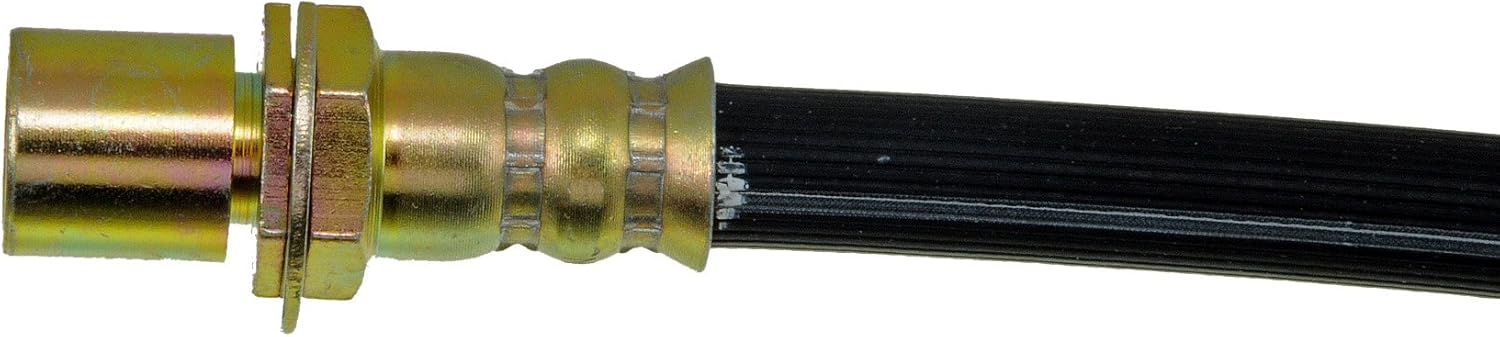
Image 2: A close-up view of one end of the Dorman H38432 brake hose, highlighting the durable, corrosion-resistant fitting designed for secure attachment to the vehicle's brake system.
5. Maintenance
Regular inspection of brake hoses is crucial for vehicle safety. Brake hoses are subject to wear and tear from heat, road debris, and constant flexing. Over time, they can degrade, crack, or swell, leading to brake system issues.
Inspection Guidelines:
- Visual Inspection: During routine vehicle maintenance (e.g., tire rotations, oil changes), visually inspect the entire length of the brake hoses for:
- Cracks, cuts, or abrasions on the outer rubber layer.
- Bulges or swelling, especially when the brake pedal is depressed.
- Signs of fluid leaks around the fittings or along the hose.
- Kinks or twists that could restrict fluid flow.
- Corrosion on the metal fittings.
- Fluid Level Check: Regularly check your brake fluid reservoir level. A consistently low level without obvious leaks elsewhere might indicate a slow leak from a hose.
- Brake Pedal Feel: A spongy or soft brake pedal can be a symptom of air in the system, often caused by a leaking hose, or a hose that is expanding under pressure.
If any signs of damage or degradation are observed, the brake hose should be replaced immediately by a qualified technician. Do not attempt to repair a damaged brake hose.

Image 3: A detailed view of the threaded end of the Dorman H38432 brake hose, showing the precision machining and protective coating on the fitting, designed for a secure and leak-free connection.
6. Troubleshooting
Issues related to brake hydraulic hoses typically manifest as problems with brake performance. Below are common symptoms and potential causes related to the brake hose.
| Symptom | Possible Cause (Hose Related) | Action |
|---|---|---|
| Soft or Spongy Brake Pedal | Air in the brake system due to a leaking hose; hose expanding under pressure. | Inspect hose for leaks or swelling. Bleed brake system. Replace hose if damaged. |
| Brake Fluid Leak | Damaged hose (cracks, punctures) or loose/corroded fittings. | Locate leak source. Tighten fittings if loose. Replace hose if damaged. |
| Vehicle Pulls to One Side During Braking | Restricted fluid flow in one hose (internal collapse or kink). | Inspect hoses for kinks or internal blockages. Replace affected hose. |
| Excessive Brake Pedal Travel | Hose expanding excessively under pressure, or significant fluid loss from a leak. | Inspect hose for swelling. Check fluid level. Replace hose if faulty. |
Note: Many brake system issues can have multiple causes. Always consult a certified mechanic for accurate diagnosis and repair.
7. Specifications
| Attribute | Detail |
|---|---|
| Manufacturer | Dorman Products |
| Brand | Dorman |
| Model Number | H38432 |
| Item Weight | 3.52 ounces |
| Product Dimensions | 22.2 x 11.8 x 7.8 inches |
| OEM Part Number Cross-Reference | 073-1488; 150.44104; 18J494; 2202247; 78614; 87-20004; B917297; BH119390; BH252760; BH38432; F119390; HB-57004; 36940-39855; 96940-39855 |
| UPC | 082702370773 |
| Material | EPDM rubber with corrosion-resistant fittings |
8. Warranty and Support
For specific warranty information regarding the Dorman H38432 Brake Hydraulic Hose, please refer to the official Dorman Products website or contact Dorman customer service directly. Warranty terms and conditions can vary and are typically provided by the manufacturer.
For technical support, installation questions, or assistance with product-related issues, please contact Dorman Products customer support. Their official website often provides FAQs, technical bulletins, and contact information.
Dorman Products Official Website: www.dormanproducts.com