
Dorman H38244

Dorman H38244 Brake Hydraulic Hose
Instruction Manual
1. Product Overview
The Dorman H38244 Brake Hydraulic Hose is a precision-engineered replacement component designed to match the fit, function, and performance of the original brake hose on specific vehicles. This hose is crucial for the proper operation of your vehicle's braking system, ensuring safe and reliable stopping power. It is constructed with durable EPDM rubber and features specially coated, corrosion-resistant fittings for long-lasting durability.

Figure 1: Dorman H38244 Brake Hydraulic Hose, overall view.
Key Features:
- Ideal Replacement: Engineered to match the performance of the original brake hose.
- Position-Specific Fit: Manufactured to precise measurements for exact fitment and ease of installation.
- Quality Assured: Materials are tested to exacting government-regulated safety and durability standards.
- Durable Design: Made with EPDM rubber and features specially coated, corrosion-resistant fittings.
2. Vehicle Compatibility
This brake hydraulic hose is compatible with select Dodge models. To ensure proper fitment for your specific vehicle, it is recommended to verify compatibility using your vehicle's make, model, and trim level.
Compatible Vehicles:
- Dodge Ramcharger: 1985, 1986, 1987, 1988, 1989
- Dodge W100: 1986, 1987, 1988
- Dodge W150: 1985, 1986, 1987, 1988
- Dodge W250: 1985, 1986, 1987, 1988
- Dodge W350: 1984, 1985, 1986, 1987, 1988
3. Setup and Installation
Installation of brake system components requires specialized knowledge and tools. It is highly recommended that installation be performed by a qualified automotive professional to ensure safety and proper function.
General Installation Steps (Professional Installation Recommended):
- Safety First: Ensure the vehicle is securely lifted and supported on jack stands. Wear appropriate personal protective equipment (PPE), including safety glasses and gloves.
- Prepare the Area: Clean the area around the brake hose connections to prevent contamination of the brake fluid system.
- Remove Old Hose: Carefully disconnect the old brake hose from the caliper/wheel cylinder and the vehicle's hard line. Be prepared for brake fluid to leak out. Use a drain pan to catch fluid.
- Install New Hose: Connect the new Dorman H38244 hose, ensuring all fittings are properly seated and tightened to manufacturer specifications. Avoid twisting or kinking the hose during installation.
- Bleed Brake System: After installation, it is critical to bleed the brake system to remove any air that may have entered the lines. Follow the vehicle manufacturer's specific bleeding procedure.
- Test Brakes: Before driving, thoroughly test the brake pedal for firmness and ensure there are no leaks around the new hose connections.

Figure 2: Close-up view of one end of the Dorman H38244 brake hose, showing the fitting.
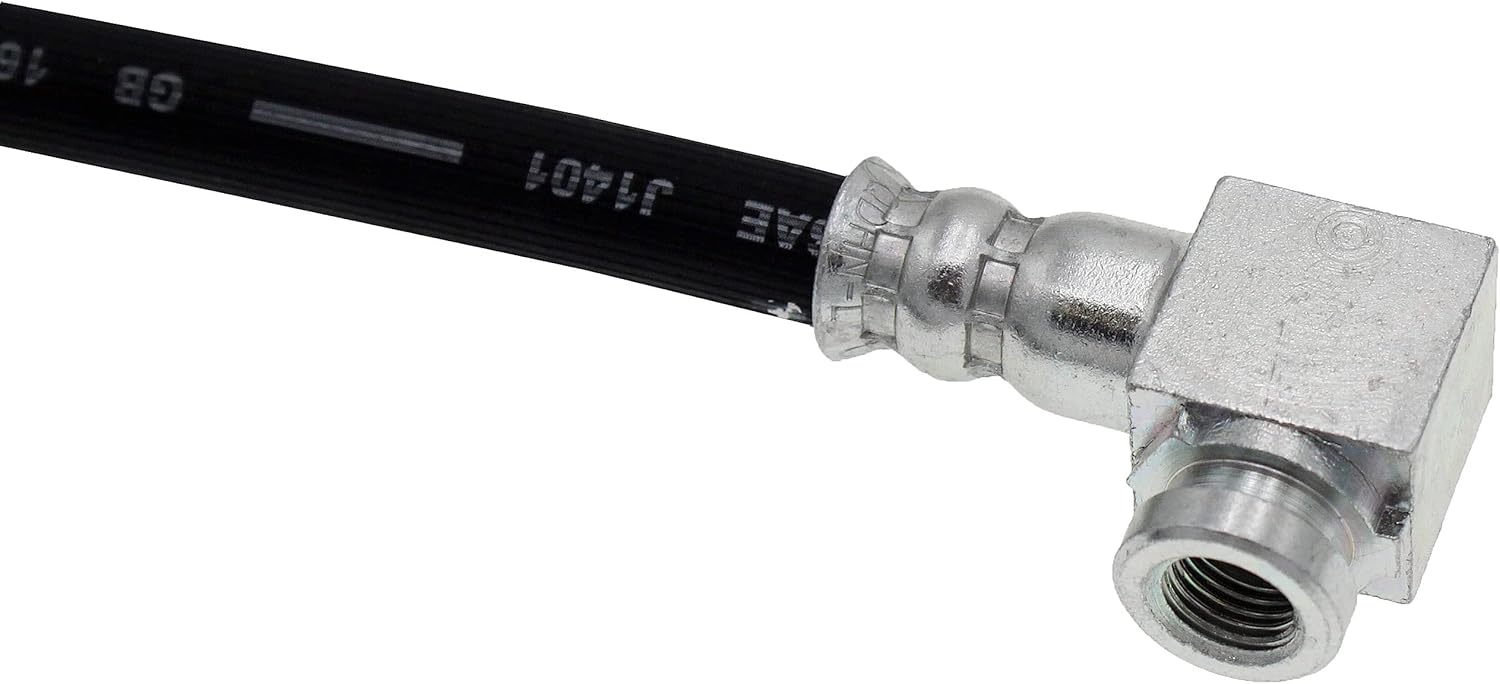
Figure 3: Close-up view of the other end of the Dorman H38244 brake hose, showing the fitting.
4. Operating Principles
The brake hydraulic hose is a flexible conduit that transmits hydraulic pressure from the vehicle's brake lines to the brake calipers or wheel cylinders. When the brake pedal is pressed, brake fluid is pressurized by the master cylinder and flows through the hard lines and then through the flexible brake hoses to activate the braking components at each wheel. The flexibility of the hose allows for wheel movement (suspension travel and steering) without compromising the hydraulic connection.
5. Maintenance
Regular inspection of your vehicle's brake hydraulic hoses is essential for maintaining a safe braking system. Hoses can degrade over time due to exposure to heat, road debris, and chemicals.
Inspection Guidelines:
- Visual Check: Periodically inspect the entire length of the brake hoses for cracks, bulges, abrasions, or signs of fluid leakage.
- Fittings: Check hose fittings for corrosion or signs of leakage.
- Flexibility: Ensure the hoses are not stiff or brittle.
- Clearance: Verify that hoses are not rubbing against suspension components or other parts of the vehicle.
Any signs of damage or degradation warrant immediate replacement of the brake hose by a qualified technician.
6. Troubleshooting
Issues with brake hydraulic hoses can manifest in various ways, often indicating a need for inspection and potential replacement.
Common Symptoms of Brake Hose Issues:
- Soft or Spongy Brake Pedal: Can indicate air in the brake lines, often due to a leak in a hose or improper bleeding after replacement.
- Brake Fluid Leaks: Visible fluid around the hose or fittings is a clear sign of a compromised hose.
- Pulling to One Side During Braking: A collapsed or restricted brake hose can prevent fluid from reaching a caliper, causing uneven braking.
- Extended Stopping Distance: Reduced braking efficiency can be a symptom of various brake system problems, including faulty hoses.
If you experience any of these symptoms, have your vehicle's braking system inspected by a professional immediately.
7. Specifications
| Attribute | Value |
|---|---|
| Brand | Dorman |
| Model | H38244 |
| Material | EPDM Rubber |
| Color | Black |
| Item Weight | 6.24 ounces (approx. 177 grams) |
| Product Dimensions | 22.2 x 11.8 x 7.8 inches (approx. 56.4 x 30 x 19.8 cm) |
| UPC | 082702369142 |
| Manufacturer Part Number | H38244 |
8. Warranty and Support
For detailed warranty information regarding your Dorman H38244 Brake Hydraulic Hose, please refer to the official warranty document provided by Dorman Products.
For additional support, technical assistance, or to inquire about other Dorman products, please visit the Dorman Products official website or contact their customer service directly.
Related documentsH38244


Ask a question about this manual
Ask about setup, troubleshooting, compatibility, parts, safety, or missing instructions. Manuals+ will review the question and use this page’s manual context to help answer it.