
NTK 24304
NTK 24304 Oxygen Sensor Instruction Manual
Brand: NTK
1. Introduction
This manual provides essential information for the NTK 24304 Oxygen Sensor. NTK/NGK Oxygen Sensors are engineered with platinum coating for enhanced durability and undergo individual testing to ensure consistent quality and performance. This sensor is designed to integrate seamlessly with your vehicle's system, offering a direct fit and function comparable to original equipment.
2. Safety Information
WARNING: Always prioritize safety when working on vehicles. Disconnect the vehicle's battery before beginning any installation. Allow the engine and exhaust system to cool completely to prevent burns. Wear appropriate personal protective equipment, including safety glasses and gloves.
Proposition 65 Warning: This product may contain chemicals known to the State of California to cause cancer and birth defects or other reproductive harm. For more information, visit www.P65Warnings.ca.gov.
If you are unsure about any installation steps, it is highly recommended to seek assistance from a qualified automotive technician.
3. Product Overview
The NTK 24304 Oxygen Sensor is a critical component of your vehicle's emission control system. It measures the oxygen content in the exhaust gas, sending signals to the engine control unit (ECU) to optimize the air-fuel mixture for efficient combustion and reduced emissions.
- Type: 5-wire non-flanged wide band oxygen sensor.
- Wire Length: Approximately 18 inches (460mm).
- Coating: Platinum coated for enhanced durability and longevity.

Figure 3.1: The NTK 24304 Oxygen Sensor, showing the sensor tip, wiring, and electrical connector. This sensor is designed to accurately measure oxygen levels in the exhaust stream.
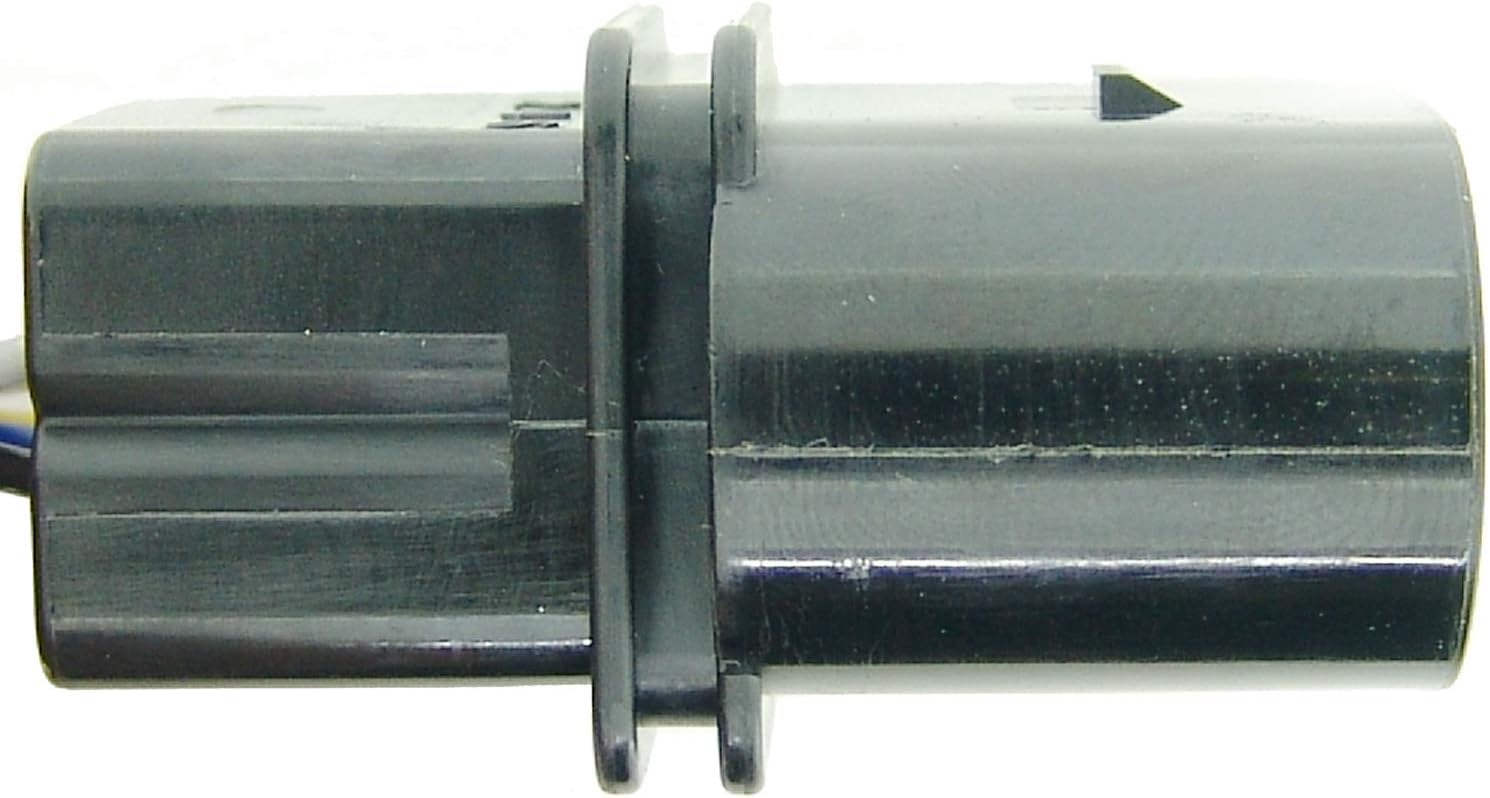
Figure 3.2: A detailed view of the sensor's electrical connector, which ensures a secure and proper connection to the vehicle's wiring harness.

Figure 3.3: An internal perspective of the connector, highlighting the pin configuration for precise signal transmission to the vehicle's engine control unit.
4. Setup (Installation)
Installation of an oxygen sensor typically involves removing the old sensor and installing the new one in its place. Due to variations in vehicle models and sensor locations, specific steps may differ. Always consult your vehicle's service manual for detailed, model-specific instructions.
General Installation Guidelines:
- Preparation: Ensure the engine and exhaust system are cool to the touch. Disconnect the negative terminal of the vehicle's battery.
- Locate Sensor: Identify the oxygen sensor to be replaced. Sensors are typically located in the exhaust manifold or exhaust pipe.
- Disconnect Wiring: Carefully disconnect the electrical connector from the old sensor.
- Remove Old Sensor: Use an oxygen sensor socket or appropriate wrench to loosen and remove the old sensor. Penetrating oil may be helpful for seized sensors.
- Apply Anti-Seize: Apply a small amount of the provided anti-seize compound (if included, or a high-temperature anti-seize) to the threads of the new NTK sensor. Avoid getting anti-seize on the sensor tip.
- Install New Sensor: Thread the new sensor into the exhaust bung by hand to prevent cross-threading. Tighten it to the vehicle manufacturer's specified torque using the appropriate tool.
- Connect Wiring: Reconnect the electrical connector securely. Ensure the wiring is routed away from hot exhaust components.
- Final Steps: Reconnect the vehicle's battery. Start the engine and check for any exhaust leaks or warning lights. It may take several drive cycles for the vehicle's computer to fully adapt to the new sensor and clear any stored diagnostic trouble codes.
Note: Some vehicles may require a diagnostic scan tool to clear codes or perform a sensor relearn procedure after installation.
5. Operating Principles
The NTK 24304 Oxygen Sensor functions by generating a voltage signal that varies with the oxygen concentration in the exhaust gas. This signal is sent to the vehicle's Engine Control Unit (ECU). The ECU uses this information to continuously adjust the fuel injection and ignition timing, ensuring the engine operates at the optimal air-fuel ratio (stoichiometric ratio) for efficient combustion and minimal harmful emissions.
6. Maintenance
Oxygen sensors are wear-and-tear components and are not designed for user maintenance or repair. Their lifespan can be affected by fuel quality, engine condition, and driving habits. Regular vehicle maintenance, including timely oil changes and tune-ups, can help prolong the life of your oxygen sensor. If a sensor fails, it must be replaced.
7. Troubleshooting
A faulty oxygen sensor can lead to various symptoms, including a lit "Check Engine" light, decreased fuel economy, rough idling, or increased emissions. If you experience these issues, it may indicate a problem with the oxygen sensor or another component in the emission system.
Common Troubleshooting Steps:
- Check Engine Light: If the "Check Engine" light is on, retrieve the diagnostic trouble codes (DTCs) using an OBD-II scanner. Codes related to oxygen sensors typically start with P0130 to P0167.
- Visual Inspection: Inspect the sensor and its wiring for any visible damage, corrosion, or loose connections.
- Professional Diagnosis: For accurate diagnosis and repair, it is recommended to have your vehicle inspected by a certified mechanic. They can perform advanced tests to confirm sensor functionality and identify underlying issues.
Replacing a faulty oxygen sensor with a new NTK 24304 sensor can often resolve these issues and restore optimal engine performance.
8. Specifications
| Attribute | Value |
|---|---|
| Brand | NTK |
| Model Number | 24304 |
| Item Dimensions (L x W x H) | 19 x 1 x 1 inches |
| Item Weight | 0.19 Pounds (approx. 3.04 ounces) |
| Mounting Type | Flange Mount |
| Specific Uses For Product | Oxygen Sensor |
| Upper Temperature Rating | 1200 Degrees Fahrenheit |
| UPC | 087295243046 |
| OEM Part Number | 3921023700 |
9. Warranty and Support
For specific warranty information regarding your NTK 24304 Oxygen Sensor, please refer to the documentation included with your purchase or contact NTK customer support directly. Warranty terms and conditions may vary.
For additional product information and support, you can visit the official NTK store on Amazon: NTK Store.
Related documents24304


Ask a question about this manual
Ask about setup, troubleshooting, compatibility, parts, safety, or missing instructions. Manuals+ will review the question and use this page’s manual context to help answer it.