
1. Introduction
The Recording King RM-998-D Style-0 Resonator Guitar is a meticulously crafted instrument, modeled after the original pre-World War II resonator guitars. It features a bell brass body, offering exceptional projection and a distinctive, rich tone. This manual provides essential information for the setup, operation, maintenance, and care of your new resonator guitar.
Key features of your RM-998-D Resonator Guitar include:
- Nickel-Plated Bell Brass Body
- Honduran Mahogany Neck
- 9.5" Hand-Spun Continental Cone
- Rosewood Fretboard
- Ebony & Hard Maple Bridge

Figure 1: The Recording King RM-998-D Style-0 Resonator Guitar, featuring its distinctive bell brass body and f-holes.
2. Setup
2.1 Unpacking and Inspection
Carefully remove the guitar from its packaging. Inspect the instrument for any signs of damage that may have occurred during shipping. Check the body, neck, headstock, and bridge for any visible defects. If you find any damage, contact your retailer immediately.
2.2 Tuning
Before playing, the guitar must be tuned. Standard tuning for a 6-string guitar is E-A-D-G-B-E (from lowest to highest string). Use an electronic tuner for accuracy. Gently turn the tuning pegs to adjust the string tension until each string reaches the correct pitch.
2.3 Stringing (If Necessary)
Your resonator guitar comes pre-strung. However, if you need to replace strings, use light to medium gauge alloy steel strings. Loosen the old strings, remove them from the bridge and tuning pegs. Insert the new strings through the tailpiece, wind them around the tuning pegs, and tighten them while ensuring they are properly seated in the nut and bridge saddles.
3. Operating
3.1 Playing Position
Hold the resonator guitar comfortably, whether seated or standing. The bell brass body can be heavier than traditional acoustic guitars, so ensure a stable and comfortable playing position to avoid fatigue.
3.2 Sound Characteristics
The RM-998-D's 9.5" hand-spun Continental cone and bell brass body produce a distinct, loud, and resonant tone, ideal for blues, country, and folk music. Experiment with different picking techniques (fingerpicking, flatpicking, slide) to explore the full range of its sonic capabilities.

Figure 2: Detail of the diamond coverplate and bridge, highlighting the resonator cone's design.
4. Maintenance
4.1 Cleaning
Regularly wipe down the bell brass body with a soft, dry, lint-free cloth to remove fingerprints and dust. For a deeper clean, use a specialized metal polish suitable for nickel-plated brass, applying it sparingly and buffing gently. Avoid abrasive cleaners.
4.2 String Replacement
Strings should be replaced regularly, typically every 1-3 months depending on playing frequency, to maintain optimal tone and playability. Old strings can sound dull and affect intonation. Always replace all strings at once for consistent tone.
4.3 Fretboard Care
The rosewood fretboard may benefit from occasional conditioning to prevent drying and cracking. Use a small amount of lemon oil or a dedicated fretboard conditioner, applied with a clean cloth, and wipe off any excess.
4.4 Storage
Store your resonator guitar in a stable environment, away from extreme temperature fluctuations and humidity. A hard case is recommended for protection during storage and transport.
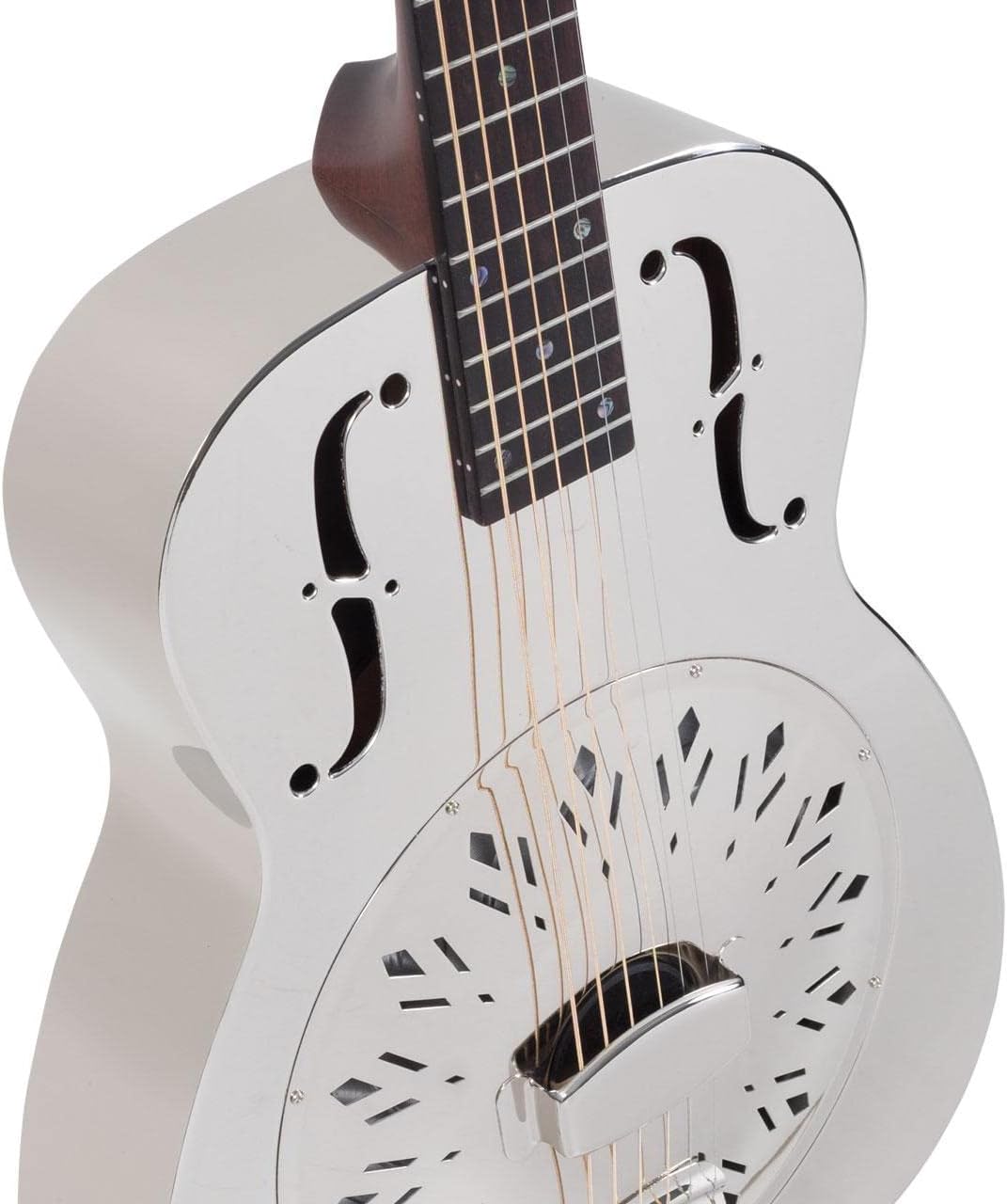
Figure 3: Angled view showcasing the Honduran mahogany neck and rosewood fretboard.
5. Troubleshooting
- Buzzing Strings: Check if strings are properly seated in the nut and bridge. Ensure the neck relief is correct; if not, professional adjustment may be needed. Worn frets can also cause buzzing.
- Dull Sound: Old or dirty strings are the most common cause. Replace strings. Ensure the resonator cone is clean and free from debris.
- Intonation Issues: If notes are out of tune as you move up the fretboard, the bridge might need adjustment. This is a more complex procedure and may require a qualified guitar technician.
- Loose Hardware: Periodically check all screws and nuts (tuning pegs, strap buttons, coverplate screws) and gently tighten them if loose. Do not overtighten.

Figure 4: View of the tailpiece and bridge, critical components for string tension and intonation.
6. Specifications
| Feature | Detail |
|---|---|
| Model Number | RM-998-D |
| Body Material | Nickel-Plated Bell Brass |
| Neck Material | Honduran Mahogany |
| Fretboard Material | Rosewood |
| Resonator Cone | 9.5" Hand-Spun Continental Cone |
| Bridge | Ebony & Hard Maple |
| Scale Length | 24.88 inches |
| Number of Strings | 6 |
| String Gauge | Medium (Alloy Steel) |
| Item Weight | 9.5 pounds |
| Product Dimensions | 38.5 x 14.38 x 3.5 inches |
| Color | Silver |
| Hand Orientation | Right |
7. Warranty Information
Recording King products are typically covered by a limited warranty against defects in materials and workmanship. Specific warranty terms and duration may vary by region and retailer. Please retain your proof of purchase. For detailed warranty information, please refer to the warranty card included with your product or visit the official Recording King website.
8. Customer Support
For technical assistance, parts, or service inquiries regarding your Recording King RM-998-D Resonator Guitar, please contact your authorized Recording King dealer or visit the official Recording King website for contact information and support resources.
Website: www.recordingking.com