
FALLER 01622 1/72 CH-47D Chinook Helicopter Model Kit Instruction Manual
Detailed Assembly and Care Guide
1. Introduction
This instruction manual provides comprehensive guidance for the assembly, maintenance, and care of your FALLER 01622 1/72 CH-47D Chinook Helicopter plastic model kit. The CH-47 Chinook is a tandem-rotor, heavy-lift helicopter used by military forces worldwide for troop transport, cargo, and various support missions. This model kit accurately represents the CH-47D variant at a 1:72 scale.
Please read all instructions carefully before beginning assembly to ensure a successful and enjoyable building experience.
2. Safety Information
- Adult Supervision: This model kit is intended for adult hobbyists. Adult supervision is recommended for younger builders.
- Small Parts: The kit contains small parts that may pose a choking hazard. Keep out of reach of small children.
- Sharp Tools: Assembly requires the use of sharp tools such as hobby knives and tweezers. Handle with care to prevent injury.
- Adhesives and Paints: Use model-specific adhesives and paints in a well-ventilated area. Follow the manufacturer's safety instructions for these products.
- Eye Protection: Consider wearing eye protection during assembly, especially when cutting or sanding parts.
3. Package Contents
Before starting, verify that all components are present in your kit. The box should contain:
- Plastic sprues with helicopter parts
- Clear plastic parts (canopy, windows)
- Photo-etched parts (for enhanced detail)
- Decal sheet
- Instruction booklet (this manual)
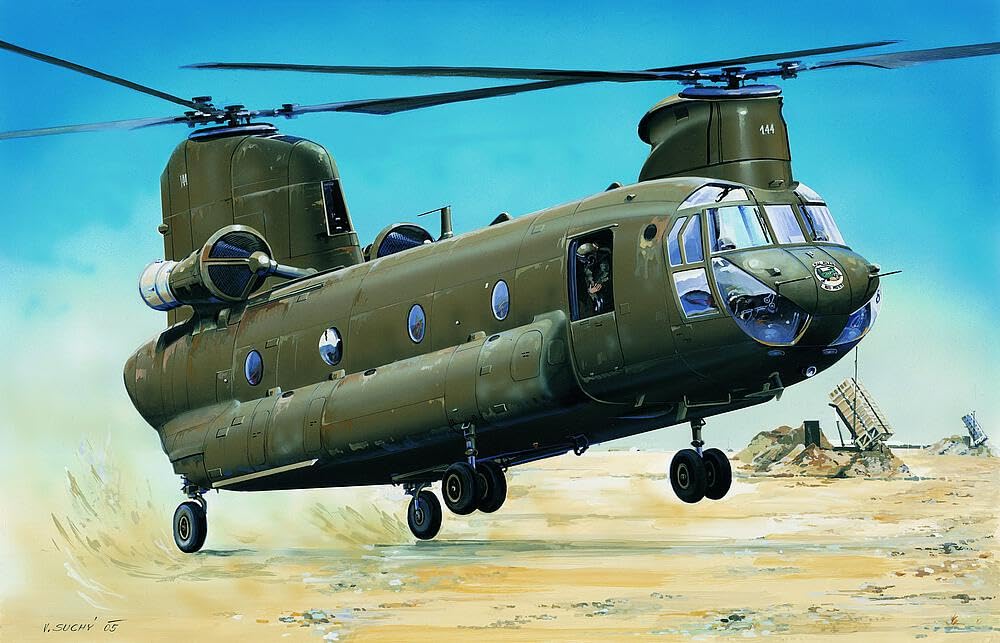
Figure 1: The FALLER 01622 1/72 CH-47D Chinook Helicopter model kit box art. This image displays the completed model, providing an overview of the helicopter's appearance and scale.
4. Tools Required (Not Included)
The following tools are recommended for assembly:
- Side cutters or sprue nippers
- Hobby knife with a sharp blade
- Fine-grit sandpaper or sanding sticks
- Plastic model cement (liquid or tube type)
- Tweezers (fine-tipped recommended for photo-etched parts)
- Small files (optional, for cleaning parts)
- Paint brushes and model paints (optional, for finishing)
- Decal setting solution (optional)
5. Setup and Preparation
- Workspace: Prepare a clean, well-lit, and well-ventilated workspace. Protect your work surface with a cutting mat or old newspaper.
- Organize Parts: Carefully remove all sprues from the box. Familiarize yourself with the parts layout by comparing them to the parts diagram in the instruction booklet.
- Read Instructions: Review the entire instruction manual before cutting any parts. This helps in understanding the overall assembly sequence.
6. Assembly Instructions
Follow these steps in the order presented. Refer to the diagrams in the original kit instructions for visual guidance.
- Fuselage Halves: Carefully remove the two main fuselage halves from their sprues. Clean any mold lines or excess plastic using a hobby knife and sandpaper. Test fit the halves together before applying cement. Once satisfied with the fit, apply a thin layer of plastic cement along the mating surfaces and firmly press them together. Use tape or clamps to hold them until dry.
- Cockpit Assembly: Assemble the cockpit interior components, including the instrument panel, control sticks, and seats. Paint these parts before assembly if desired. Once painted, glue them into one of the fuselage halves.
- Landing Gear: Assemble the landing gear struts and wheels. Ensure proper alignment. Attach the completed landing gear assemblies to the designated points on the lower fuselage.
- Rotor Assemblies: Construct the front and rear rotor hubs and blades. Pay close attention to the orientation of the blades. The CH-47D features two counter-rotating rotors.
- Engines and Nacelles: Assemble the engine nacelles and attach them to the top of the fuselage.
- Photo-Etched Parts: Carefully cut and bend the photo-etched parts as indicated in the kit instructions. Use super glue or a specialized photo-etch adhesive for these delicate components. These parts often represent fine details like grilles or antennas.
- Clear Parts: Attach the clear canopy and window parts using clear parts cement or white glue to avoid fogging the plastic. Ensure a tight fit to prevent dust ingress.
- Final Details: Add any remaining external details such as antennas, lights, and external fuel tanks (if included).
- Decals: Once the model is fully assembled and painted (if applicable), apply the decals. Cut each decal close to its edge, dip it in warm water for a few seconds, and slide it onto the model. Use decal setting solution to help them conform to irregular surfaces and eliminate silvering.
7. Maintenance and Care
To preserve the appearance and integrity of your assembled model:
- Dusting: Regularly dust the model with a soft, dry brush or a can of compressed air. Avoid abrasive cloths.
- Cleaning: For stubborn dirt, gently wipe with a slightly damp cloth. Avoid harsh chemicals or solvents, as they can damage paint and plastic.
- Display: Display your model in a stable, dust-free environment away from direct sunlight, extreme temperatures, and high humidity. UV light can cause paint and decals to fade over time.
- Handling: Handle the model by its sturdy parts, such as the fuselage, to avoid damaging delicate components like antennas or rotor blades.
8. Troubleshooting Common Issues
| Issue | Possible Cause | Solution |
|---|---|---|
| Parts do not fit together | Excess plastic (flash), mold lines, or incorrect part orientation. | Carefully trim excess plastic with a hobby knife or sand mold lines. Double-check the instruction diagrams for correct part orientation. |
| Decals "silver" (appear shiny with air bubbles) | Air trapped under the decal, or surface not smooth enough. | Apply a gloss coat before decals. Use decal setting solution to help decals conform and eliminate air. Puncture small bubbles with a sharp needle. |
| Glue marks on clear parts | Using standard plastic cement, which can fog clear plastic. | Always use clear parts cement or white glue for clear plastic. If fogging occurs, it is often irreversible; prevention is key. |
9. Product Specifications
- Brand: FALLER
- Model Name: CH-47D Chinook
- Scale: 1:72
- Material Type: Plastic
- Item Dimensions (L x W x H): Approximately 10.03 x 16.48 x 4 inches (packaging dimensions, actual model size will vary)
- Item Weight: 0.16 Kilograms (packaging weight)
- Age Range (Description): Adult
- Included Components: Model parts, instructions (English language not guaranteed in original kit)
- Additional Features: Photo-etched parts included
- Manufacturer: Stevens International
10. Warranty Information
This product comes with a 30-day warranty against manufacturer defects. This warranty covers defects in materials and workmanship under normal use. It does not cover damage resulting from improper assembly, misuse, accidents, or modifications. Please retain your proof of purchase for warranty claims.
11. Customer Support
For technical assistance, missing parts, or warranty inquiries, please contact the manufacturer, Stevens International, or your retailer. When contacting support, please have your model number (01622) and proof of purchase readily available.
Note: The original kit instructions may not be in English. This manual aims to provide clear English guidance.