
1. Introduction
The Bendix 77421 Brake Hose is a high-quality replacement component designed for hydraulic braking systems in various domestic and import vehicles. This hose is engineered to meet Original Equipment (OE) design standards, ensuring compatibility and reliable performance. Its primary function is to transmit hydraulic pressure from the master cylinder to the brake calipers or wheel cylinders, enabling effective braking.
This manual provides essential information regarding the installation, maintenance, and specifications of your Bendix 77421 Brake Hose to ensure safe and proper operation.
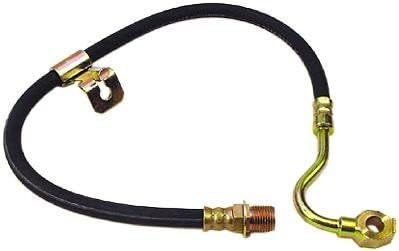
Figure 1: The Bendix 77421 Brake Hose. This image displays the black rubber hose with its distinct brass fittings, including a straight threaded end and a bent banjo fitting, designed for secure connection within a vehicle's hydraulic brake system.
2. Safety Information
Brake system components are critical for vehicle safety. Improper installation or maintenance can lead to serious injury or death. Always adhere to the following safety guidelines:
- Professional Installation Recommended: Installation of brake components should ideally be performed by a qualified automotive technician.
- Vehicle Service Manual: Always consult your vehicle's specific service manual for detailed instructions, torque specifications, and procedures.
- Brake Fluid: Brake fluid is corrosive and can damage paint and plastics. Avoid contact with skin and eyes. If contact occurs, wash immediately with plenty of water. Keep out of reach of children and pets.
- Proper Tools: Use appropriate tools for brake line fittings to prevent stripping or damage.
- Cleanliness: Ensure all components and work areas are clean to prevent contamination of the brake system.
- Bleeding Brakes: After any brake system work, thoroughly bleed the brake system to remove all air. Air in the brake lines can cause a spongy pedal and reduced braking effectiveness.
- Test Drive: After installation, perform a careful test drive in a safe area to confirm proper brake function before normal vehicle operation.
3. Installation
This section outlines general steps for replacing a brake hose. Specific procedures may vary by vehicle. Refer to your vehicle's service manual for precise instructions.
Required Tools and Materials:
- Vehicle jack and jack stands
- Wheel lug wrench
- Line wrenches (flare nut wrenches) for brake fittings
- Open-end wrenches
- Brake fluid (new, correct type for your vehicle)
- Drain pan
- Bleeder kit or assistant for brake bleeding
- Safety glasses and gloves
Installation Steps:
- Prepare Vehicle: Park the vehicle on a level surface, engage the parking brake, and block the wheels. Loosen the lug nuts on the wheel(s) where the hose will be replaced. Raise the vehicle with a jack and secure it with jack stands. Remove the wheel(s).
- Access Brake Hose: Locate the brake hose to be replaced. You may need to remove clips or brackets securing the hose.
- Drain Brake Fluid (Optional, but Recommended): Place a drain pan under the brake caliper or wheel cylinder. Loosen the brake line fitting at the hose connection point. Allow some fluid to drain to relieve pressure.
- Remove Old Hose: Using a line wrench, carefully disconnect the brake line from the hose. Then, disconnect the hose from the caliper or wheel cylinder. Be prepared for brake fluid leakage. Remove any retaining clips or bolts holding the hose in place.
- Install New Hose: Compare the new Bendix 77421 Brake Hose with the old one to ensure it is the correct replacement. Install the new hose, ensuring proper routing to avoid kinking, rubbing, or stretching during suspension travel or steering. Secure the hose with any clips or bolts removed earlier.
- Connect Fittings: Connect the brake line to the new hose fitting and the hose to the caliper or wheel cylinder. Hand-tighten first, then use line wrenches to tighten to the vehicle manufacturer's specified torque. Do not overtighten.
- Refill and Bleed Brake System: Refill the master cylinder with new, clean brake fluid. Bleed the brake system according to your vehicle's service manual. This typically involves opening the bleeder screw at the caliper/wheel cylinder while an assistant depresses the brake pedal, then closing the screw before the pedal is released. Repeat until no air bubbles are visible in the fluid.
- Final Checks: Inspect all connections for leaks. Reinstall the wheel(s) and lower the vehicle. Pump the brake pedal several times to ensure a firm pedal feel.
- Test Drive: Perform a cautious test drive in a safe area at low speeds to verify proper brake function. Listen for unusual noises and check for any pulling or reduced braking performance.
4. Operating Principle
The Bendix 77421 Brake Hose is a passive component within the vehicle's hydraulic braking system. When the brake pedal is pressed, the master cylinder generates hydraulic pressure. This pressure is transmitted through the brake lines and hoses to the brake calipers (disc brakes) or wheel cylinders (drum brakes). The hose's flexible design allows it to accommodate the movement of the suspension and steering components while maintaining a sealed pathway for the brake fluid. The pressure causes the calipers or wheel cylinders to engage the brake pads or shoes, creating friction against the rotors or drums, which slows or stops the vehicle.
5. Maintenance
Regular inspection and timely replacement of brake hoses are crucial for maintaining vehicle safety and braking performance.
- Visual Inspection: During routine vehicle maintenance, visually inspect brake hoses for signs of wear, damage, or deterioration. Look for:
- Cracks, chafing, or abrasions on the outer rubber layer.
- Bulges or swelling, especially when the brake pedal is depressed.
- Fluid leaks around the fittings or along the hose body.
- Kinks, twists, or improper routing that could lead to damage.
- Replacement Intervals: Brake hoses do not have a fixed replacement schedule, but they are wear items. Consult your vehicle manufacturer's service recommendations for suggested inspection and replacement intervals. Hoses should be replaced immediately if any signs of damage or deterioration are observed.
- Brake Fluid Quality: Ensure the brake fluid in your system is clean and at the correct level. Contaminated or old brake fluid can contribute to internal hose degradation.
6. Troubleshooting
If you experience issues with your braking system, a faulty brake hose could be a contributing factor. Common symptoms and potential causes related to brake hoses include:
- Soft or Spongy Brake Pedal: This can indicate air in the brake lines, often introduced during hose replacement or due to a leak. It can also be caused by an internally collapsed hose that restricts fluid flow.
- Brake Fluid Leaks: Visible fluid leaks around hose fittings or from the hose body itself indicate a damaged or improperly installed hose.
- Reduced Braking Performance: A damaged or internally collapsed hose can restrict fluid flow, leading to reduced braking effectiveness on one or more wheels.
- Vehicle Pulling to One Side During Braking: This could be caused by a restriction in the brake hose to one wheel, preventing proper pressure application to that caliper/cylinder.
Action: If any of these symptoms are observed, immediately inspect the brake hoses and the entire brake system. Replace any damaged or suspect hoses. If a hose was recently replaced, re-check all connections for proper torque and ensure the system is thoroughly bled of air.
7. Specifications
| Specification | Detail |
|---|---|
| Brand | Bendix |
| Model Number | 77421 |
| Manufacturer Part Number | 77421 |
| Item Weight | 4.8 ounces |
| Package Dimensions | 7.06 x 4.5 x 3 inches |
| ASIN | B0014HNJLA |
| Standard Compliance | Meets Society of Automotive Engineers (SAE) J140 standard |
8. Warranty Information
Bendix brake hoses are manufactured to high-quality standards. For specific warranty details, including coverage period and terms, please refer to the official Bendix warranty policy documentation provided with your purchase or visit the official Bendix website. Keep your proof of purchase for any warranty claims.
9. Support
For technical assistance, installation guidance, or product inquiries regarding your Bendix 77421 Brake Hose, please contact Bendix customer support. You can typically find contact information on the official Bendix website or through your authorized Bendix dealer.