Introduction
The Betty Bearcat Frequency Directory - Western USA Edition is an essential reference guide for scanner enthusiasts and professionals. This directory provides a detailed listing of radio frequencies used by various services across the Western United States, enabling users to tune into public safety, business, and other communications. This manual will guide you on how to effectively navigate and utilize the information contained within this valuable resource.
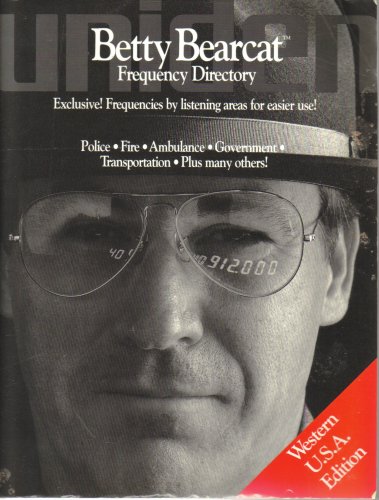
This image shows the front cover of the Betty Bearcat Frequency Directory, Western USA Edition. The cover typically features the title, publisher, and possibly a graphic related to radio scanning or the Western USA.
Setup and Preparation
Before diving into the frequencies, familiarize yourself with the directory's structure:
- Geographical Scope: This edition specifically covers the Western USA. Ensure your area of interest falls within this region.
- Table of Contents/Index: While this manual does not include a table of contents, the directory itself will have one. Review the directory's internal table of contents or index to understand how states, counties, and service types are organized.
- Legend and Abbreviations: Locate and review the legend or list of abbreviations at the beginning of the directory. Understanding these symbols and acronyms is crucial for interpreting frequency listings correctly.
Operating Instructions
Follow these steps to effectively locate and interpret frequencies:
- Identify Your Region: Navigate to the section corresponding to the state and county you wish to monitor. The directory is typically organized geographically.
- Locate Service Type: Within the geographical section, find the specific service type you are interested in (e.g., Police, Fire, EMS, Aviation, Business, Railroad). These are usually categorized for easy access.
- Interpret Frequency Listings: Each entry will typically include:
- Frequency (MHz): The numerical value you will program into your scanner.
- Mode: Indicates the type of modulation (e.g., FM, AM, NFM).
- Usage/Description: A brief note on the specific agency or purpose of the frequency.
- CTCSS/DCS Tones (if applicable): Sub-audible tones used for selective calling.
- Program Your Scanner: Refer to your scanner's instruction manual for specific steps on how to program frequencies, modes, and tones.
Maintenance and Care
To ensure the longevity and readability of your frequency directory:
- Storage: Store the directory in a cool, dry place away from direct sunlight and extreme temperatures.
- Handling: Handle the book with clean hands to prevent smudges and damage to the pages.
- Protection: Consider using a protective cover to prevent wear and tear, especially if you frequently transport the directory.
Troubleshooting
If you encounter issues while using the directory:
- Frequency Not Found:
- Verify you are looking in the correct geographical section and service type.
- Radio frequencies can change over time. This directory reflects information available at its publication date. Newer frequencies may not be listed.
- Some communications may be encrypted or use trunked radio systems not fully detailed in this type of directory.
- Difficulty Interpreting Data: Re-read the legend and abbreviations section at the beginning of the directory. If confusion persists, consult online scanner forums or resources for clarification on common radio terminology.
Specifications
| Title | Betty Bearcat Frequency Directory - Western USA Edition |
| Author/Brand | Uniden |
| Publication Date | January 1, 1988 |
| Language | English |
| Item Weight | 12.6 ounces |
| ASIN | B000RETM62 |
Warranty and Support
As a published book, this directory typically does not come with an electronic product warranty. For issues related to manufacturing defects (e.g., missing pages, binding errors), please contact the retailer or publisher directly. For general inquiries about Uniden products, please refer to the official Uniden website or customer support channels.


