
1. Product Overview
The Wagner ThermoQuiet PD722 Ceramic Disc Brake Pad Set is engineered for quiet operation, superior stopping power, and enhanced durability. Featuring a zero-copper friction formulation and unique Integrally Molded Insulator (IMI™) technology, these brake pads are designed to dissipate heat, sound, and vibration effectively, contributing to a smoother and quieter braking experience. This set is suitable for passenger car applications and meets OEM specifications.
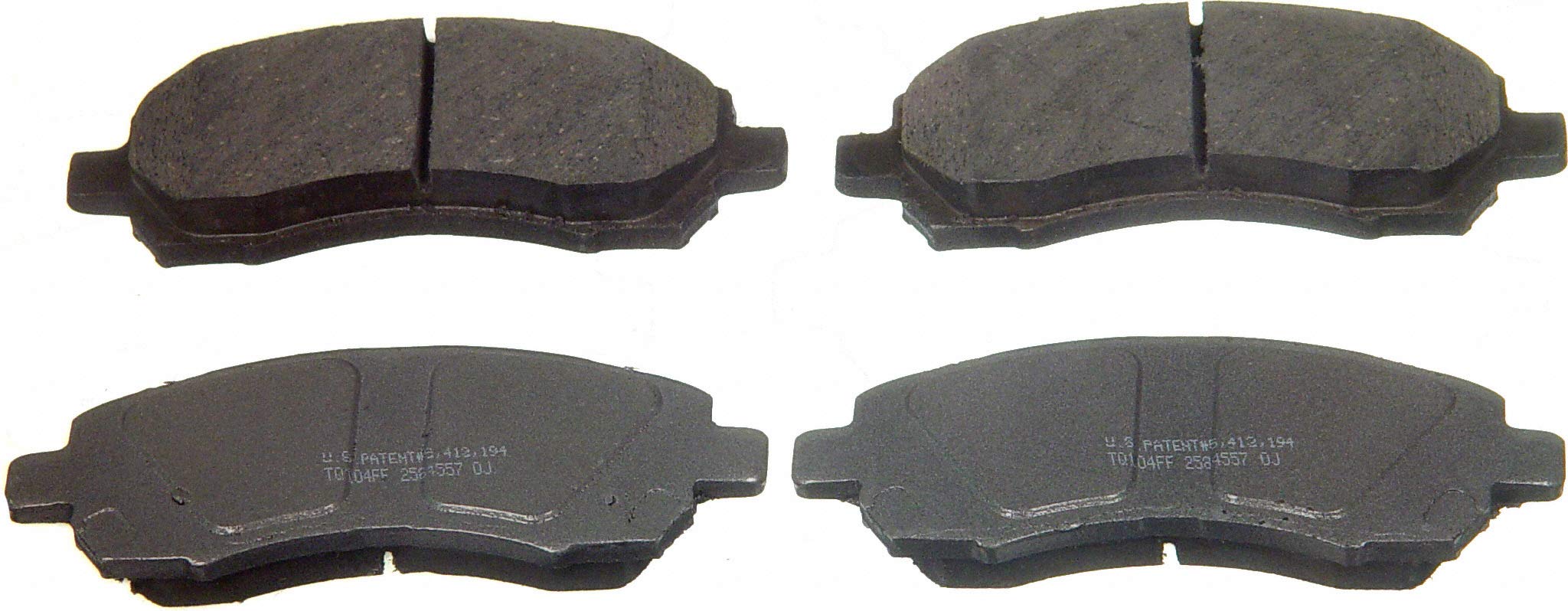
Image: Wagner ThermoQuiet PD722 Ceramic Disc Brake Pad Set, showing the pads and packaging.
2. Key Features
- Quieter Operation: Application-specific design and a unique laser-shaped friction spread out heat, sound, and vibration to reduce noise.
- Long Life: Superior formulation design dissipates heat for long-lasting friction performance and reduced brake fade.
- Cleaner Wheels: Proprietary formulation provides superior braking performance and reduced rotor wear, helping to cut down on brake dust.
- One-Piece Design: IMI technology integrates friction material, backing plate, and insulator into the brake pad for select applications.
- Hardware Included: Premium stainless-steel hardware included for select applications.
- Comprehensive Coverage: Brake pads available for most vehicles on the road.
- Zero Copper Formulation: Features Wagner OE25 zero-copper friction formulation.
- Asbestos-Free: Friction material is asbestos-free.

Image: Graphic highlighting key performance benefits: quieter braking, more braking power, and better fade performance.
3. Installation
Warning: Brake system work requires specialized knowledge and tools. Improper installation can lead to brake failure, serious injury, or death. It is highly recommended that installation be performed by a qualified automotive technician.
This product contains chemicals known to the State of California to cause cancer and birth defects or other reproductive harm (Proposition 65 warning).
General Installation Steps (Professional Installation Recommended):
- Vehicle Preparation: Safely lift and support the vehicle. Remove the wheel and tire assembly.
- Brake System Inspection: Thoroughly inspect the brake system components, including rotors, calipers, brake lines, and fluid. Replace any worn or damaged parts.
- Remove Old Pads: Remove the caliper and old brake pads. Compress the caliper piston(s) carefully.
- Clean Components: Clean the caliper, caliper bracket, and rotor surface. Ensure all rust and debris are removed.
- Install New Hardware: Install the new stainless-steel hardware (if included) onto the caliper bracket.
- Install New Pads: Insert the new Wagner ThermoQuiet PD722 ceramic brake pads into the caliper bracket. Ensure they fit correctly and move freely.
- Reassemble: Reinstall the caliper, ensuring all bolts are torqued to manufacturer specifications. Reinstall the wheel and tire assembly.
- Brake System Check: Pump the brake pedal several times to seat the pads against the rotor and restore pedal pressure. Check brake fluid level.
- Bedding-In Procedure: Follow the bedding-in procedure outlined in the Operating section to optimize pad performance.

Image: A hand holding a Wagner brake pad, ready for installation.

Image: A technician installing a brake pad onto a vehicle's brake system.

Image: Wagner brake pads and associated hardware components.
Video: "Zero Shortcuts - Wagner TQ" - This video highlights the engineering and validation process behind Wagner brake pads, emphasizing quality and performance, which is crucial for proper installation and function.
4. Operating Instructions
Brake Pad Bedding-In Procedure:
After new brake pads are installed, a proper bedding-in procedure is essential to ensure optimal performance and longevity. This process transfers a thin, even layer of friction material from the pads to the rotor surface, which helps prevent noise and maximize braking effectiveness.
- From a speed of approximately 30 mph (48 km/h), apply moderate brake pressure to slow down to about 5 mph (8 km/h). Do not come to a complete stop.
- Repeat this process 5-6 times, allowing approximately 30 seconds between each stop for the brakes to cool slightly.
- After the initial series of stops, drive for several minutes without using the brakes to allow them to cool completely.
- Avoid hard braking or prolonged heavy use for the first 200 miles (320 km) after installation.
Following this procedure will help ensure your Wagner ThermoQuiet brake pads deliver their intended quiet and efficient performance.
5. Maintenance
Regular inspection and maintenance of your vehicle's braking system are crucial for safety and performance. It is recommended to have your brake pads and rotors inspected at least once a year or every 12,000 miles (19,000 km), whichever comes first.
Maintenance Tips:
- Visual Inspection: Regularly check the brake pads for wear. Most pads have wear indicators that will make a squealing sound when they need replacement.
- Rotor Condition: Inspect rotors for excessive wear, scoring, or warping. Rotors should be replaced or resurfaced as needed.
- Brake Fluid: Check brake fluid level and condition. Replace fluid according to your vehicle manufacturer's recommendations.
- Caliper Function: Ensure calipers are moving freely and not sticking.
- Professional Check-ups: Have a qualified technician perform a comprehensive brake system inspection during routine vehicle servicing.

Image: A Wagner brake rotor paired with Wagner brake pads, illustrating proper component matching.
6. Troubleshooting
If you experience any issues with your Wagner ThermoQuiet brake pads, consider the following common problems and potential solutions:
Common Issues:
- Brake Noise (Squealing/Grinding):
- Cause: Improper bedding-in, worn pads (wear indicator), contaminated pads/rotors, improper installation (e.g., missing shims, loose hardware), or worn rotors.
- Solution: Re-perform bedding-in procedure. Inspect pads for wear and replace if necessary. Clean brake components. Ensure proper installation and torque. Inspect and replace rotors if severely worn or damaged.
- Reduced Braking Performance:
- Cause: Improper bedding-in, brake fade from overheating, contaminated pads, or issues with other brake system components (e.g., caliper, master cylinder, fluid).
- Solution: Re-perform bedding-in. Allow brakes to cool. Inspect for fluid leaks or contamination. Have the entire brake system professionally inspected.
- Excessive Brake Dust:
- Cause: While ceramic pads generally produce less dust, some dust is normal, especially during the bedding-in period.
- Solution: Ensure proper bedding-in. If dust is excessive and persistent, consult a technician to rule out other issues.
- Vibration or Pulsation:
- Cause: Warped rotors, uneven pad wear, or loose wheel bearings.
- Solution: Inspect rotors for warping and replace or resurface as needed. Check for proper pad seating and wheel bearing condition.
If troubleshooting steps do not resolve the issue, seek professional automotive service immediately.
7. Specifications
| Specification | Detail |
|---|---|
| Brand | Wagner |
| Model Number | PD722 |
| Material | Ceramic |
| Auto Part Position | Front |
| Vehicle Service Type | Passenger Car |
| Specification Met | OEM |
| Item Weight | 1.47 Kilograms |
| GTIN / UPC | 008536300014 |
| Manufacturer | Federal Mogul |
8. Warranty and Support
Manufacturer Warranty:
This Wagner ThermoQuiet PD722 Ceramic Disc Brake Pad Set comes with a Manufacturer Warranty. For specific details regarding coverage, terms, and conditions, please refer to the warranty information provided with your purchase or contact Wagner customer support directly.
Customer Support:
For further assistance, technical questions, or to explore other Wagner products, please visit the official Wagner Store: