
1. Introduction
This manual provides essential information for the proper installation, operation, and maintenance of the EXEDY SC550 Clutch Slave Cylinder. Adherence to these instructions is crucial for optimal performance and longevity of the component. The EXEDY SC550 is designed as a direct replacement for original equipment (OEM) slave cylinders in compatible vehicles, ensuring reliable clutch engagement and disengagement.
2. Product Components
The EXEDY SC550 Clutch Slave Cylinder package typically includes the following:
- EXEDY SC550 Clutch Slave Cylinder
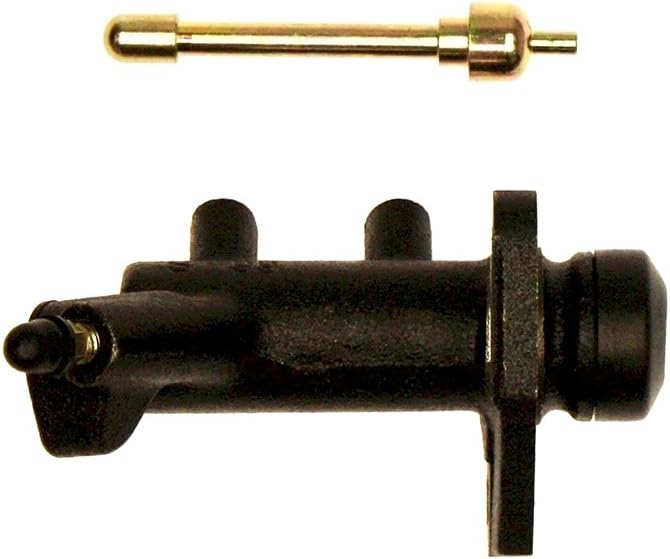
Image 1: Front view of the EXEDY SC550 Clutch Slave Cylinder, showing the main body and pushrod.

Image 2: Rear view of the EXEDY SC550 Clutch Slave Cylinder, showing mounting points and hydraulic line connection.
3. Setup and Installation
Installation of a clutch slave cylinder requires mechanical expertise and specialized tools. It is highly recommended that installation be performed by a qualified automotive technician.
3.1 Safety Precautions
- Always wear appropriate personal protective equipment (PPE), including safety glasses and gloves.
- Ensure the vehicle is securely supported on jack stands or a lift.
- Disconnect the vehicle's battery before beginning work.
- Be aware of hot engine components and corrosive fluids.
3.2 Installation Steps (General Guidelines)
- Locate the existing clutch slave cylinder on the transmission.
- Place a drain pan beneath the slave cylinder to catch hydraulic fluid.
- Disconnect the hydraulic line from the old slave cylinder.
- Remove the mounting bolts securing the old slave cylinder and carefully remove it.
- Clean the mounting surface on the transmission.
- Install the new EXEDY SC550 slave cylinder, ensuring proper alignment.
- Secure the slave cylinder with the mounting bolts, tightening to manufacturer specifications.
- Reconnect the hydraulic line to the new slave cylinder.
- Bleed the clutch hydraulic system thoroughly to remove all air. Refer to your vehicle's service manual for the specific bleeding procedure.
- Check for leaks and test clutch operation before driving the vehicle.
Note: Always refer to your specific vehicle's service manual for detailed, model-specific installation instructions and torque specifications.
4. Operating Principles
The clutch slave cylinder is a critical component of a hydraulic clutch system. When the clutch pedal is pressed, hydraulic fluid from the master cylinder is forced into the slave cylinder. This pressure extends a pushrod from the slave cylinder, which in turn disengages the clutch, allowing for gear changes. When the pedal is released, the pressure is relieved, and the clutch re-engages.
5. Maintenance
Proper maintenance of the clutch hydraulic system ensures smooth and reliable clutch operation. While the slave cylinder itself is generally a sealed unit requiring no direct maintenance, the overall system benefits from regular checks.
- Fluid Level Check: Regularly inspect the clutch fluid reservoir level. Low fluid can indicate a leak or worn components.
- Fluid Condition: Clutch fluid (typically brake fluid) can degrade over time. Consult your vehicle's service manual for recommended fluid change intervals.
- Leak Inspection: Periodically check the slave cylinder, hydraulic lines, and master cylinder for any signs of fluid leaks.
- Pedal Feel: Monitor the clutch pedal for any changes in feel, such as sponginess or excessive stiffness, which could indicate air in the system or a failing component.
6. Troubleshooting
If you experience issues with your clutch system, consider the following common problems and potential causes:
- Spongy Clutch Pedal: Often indicates air in the hydraulic system. Bleeding the clutch system is usually the first step.
- Clutch Not Disengaging Fully (Grinding Gears): Could be due to air in the system, a failing master or slave cylinder, or improper pedal adjustment.
- Fluid Leaks: Inspect all hydraulic components (master cylinder, slave cylinder, lines) for visible leaks. Leaks require immediate attention and component replacement if necessary.
- No Clutch Pedal Pressure: A complete loss of pressure usually points to a significant leak or a failed master or slave cylinder.
If troubleshooting steps do not resolve the issue, or if you are unsure about the diagnosis, consult a qualified automotive technician.
7. Specifications
| Attribute | Value |
|---|---|
| Manufacturer | EXEDY |
| Brand | Exedy |
| Model | SC550 |
| Item Weight | 1.5 pounds |
| Product Dimensions | 4.75 x 4 x 3 inches |
| Item Model Number | SC550 |
| Exterior Finish | Machined |
| Manufacturer Part Number | SC550 |
| ASIN | B000CG8OPU |
| Date First Available | October 10, 2007 |
8. Warranty and Support
EXEDY Globalparts Corporation (USA) is a subsidiary of EXEDY Corporation of Japan, a company known for supplying quality powertrain products since 1923. EXEDY products are manufactured with a commitment to quality and reliability.
For specific warranty information regarding your EXEDY SC550 Clutch Slave Cylinder, please refer to the warranty documentation provided with your purchase or visit the official EXEDY website. Warranty terms typically cover manufacturing defects under normal use conditions.
For technical support, installation inquiries, or warranty claims, please contact EXEDY customer service through their official channels. It is helpful to have your product model number (SC550) and purchase details available when contacting support.

Image 3: The official EXEDY company logo.