
1. Product Overview
The Timken Clutch Release Bearing, model 614121, is a critical component in a vehicle's manual transmission system. Its primary function is to disengage the clutch when the clutch pedal is pressed, allowing for smooth gear changes. This bearing is designed for durability and reliable performance in demanding automotive applications.
Key features include:
- Reduces friction between the pressure plate levers and the release fork.
- Facilitates torque multiplication, speed multiplication, and power transmission.
- Offers superior service life and ensures long-lasting durability.
- Constructed from high-quality material to resist fatigue failure.
- Designed to meet original equipment quality standards.

Figure 1: Front view of the Timken Clutch Release Bearing (Model 614121). This image shows the bearing assembly, highlighting its robust construction.
2. Installation (Setup)
Installation of the Timken Clutch Release Bearing requires specialized tools and automotive knowledge. It is highly recommended that this component be installed by a qualified automotive technician to ensure proper function and vehicle safety.
General Installation Guidelines:
- Safety First: Ensure the vehicle is securely supported on jack stands or a lift. Disconnect the battery.
- Transmission Removal: The transmission must be removed from the vehicle to access the clutch assembly.
- Clutch Inspection: Inspect the pressure plate, clutch disc, and flywheel for wear or damage. Replace any worn components.
- Bearing Removal: Carefully remove the old clutch release bearing from the clutch fork.
- New Bearing Installation: Install the new Timken 614121 bearing onto the clutch fork. Ensure it slides freely.
- Lubrication: Apply a thin layer of high-temperature grease (compatible lubricant: Grease, as per specifications) to the transmission input shaft splines and the pivot points of the clutch fork. Avoid excessive grease that could contaminate the clutch disc.
- Reassembly: Reinstall the transmission, ensuring proper alignment. Torque all fasteners to manufacturer specifications.
- Testing: After reassembly, test the clutch operation to ensure smooth engagement and disengagement.
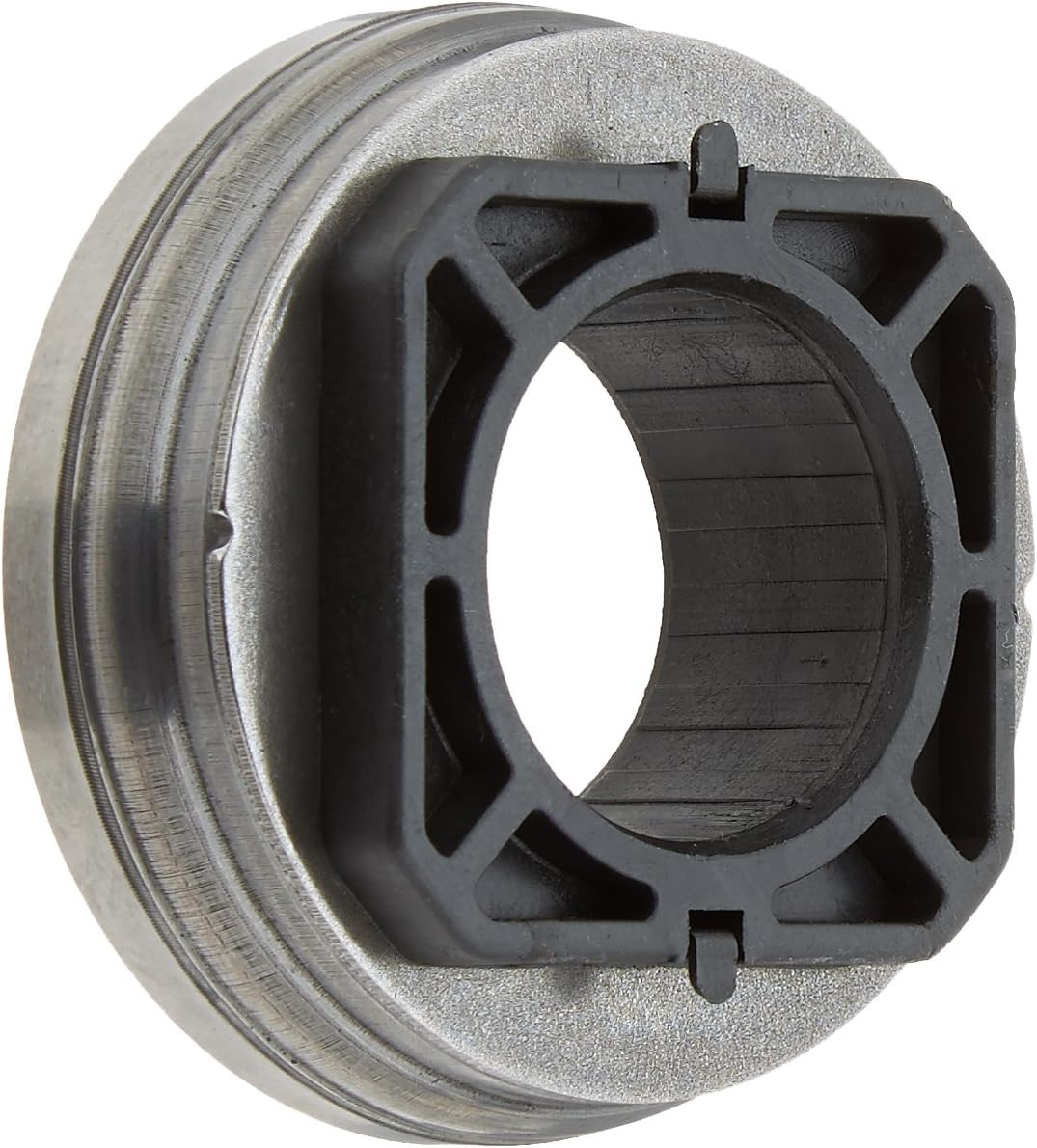
Figure 2: Side view of the Timken Clutch Release Bearing (Model 614121). This perspective shows the inner race and the mounting structure for the clutch fork.
3. Operation
The clutch release bearing operates whenever the clutch pedal is depressed. When the driver presses the clutch pedal, the clutch fork pushes the release bearing against the pressure plate's diaphragm spring fingers. This action disengages the clutch disc from the flywheel, interrupting power flow from the engine to the transmission, which allows for gear changes.
When the clutch pedal is released, the bearing retracts, and the pressure plate re-engages the clutch disc, restoring power flow. The Timken 614121 bearing is designed to provide smooth and quiet operation during these engagement and disengagement cycles.
4. Maintenance
Clutch release bearings are generally considered maintenance-free components once installed. However, proper installation and initial lubrication are crucial for their longevity.
Recommendations:
- Inspection: During any clutch service or transmission removal, inspect the release bearing for signs of wear, excessive play, or noise.
- Replacement: It is common practice to replace the clutch release bearing whenever the clutch assembly is serviced, even if the bearing appears to be in good condition, to prevent future issues.
- Lubrication: Ensure proper lubrication of the transmission input shaft and clutch fork pivot points during installation, as specified in the installation section.
5. Troubleshooting
A failing clutch release bearing can exhibit several symptoms. If you experience any of the following, it may indicate a problem with the bearing or other clutch components:
- Noise when pressing the clutch pedal: A squealing, grinding, or chirping noise that occurs only when the clutch pedal is pressed and disappears when released often indicates a worn or damaged release bearing.
- Vibration through the clutch pedal: A vibrating sensation in the clutch pedal can be a sign of bearing issues.
- Difficulty shifting gears: While this can be caused by many factors, a faulty release bearing can contribute to hard shifting if it's not disengaging the clutch properly.
- Clutch pedal sticking or feeling rough: A release bearing that is binding or seizing can cause the pedal to feel inconsistent or stick.
If you suspect a problem with your clutch release bearing, it is advisable to have your vehicle inspected by a professional mechanic.
6. Specifications
| Attribute | Value |
|---|---|
| Brand | TIMKEN |
| Model Number | 614121 |
| Item Dimensions (L x W x H) | 2.9 x 2.7 x 1.8 inches |
| Item Weight | 6.4 ounces |
| Bearing Type | Ball Bearing |
| Compatible Lubricant | Grease |
| Exterior | Machined |
| UPC | 053893883106 |
| Manufacturer Part Number | 614121 |
7. Warranty and Support
For specific warranty information regarding your Timken Clutch Release Bearing (Model 614121), please refer to the documentation provided with your purchase or contact Timken customer support directly. Warranty terms typically cover manufacturing defects under normal use conditions.
Timken Customer Support:
- Visit the official Timken website for contact details and support resources.
- Retain your proof of purchase for warranty claims.
