
1. Introduction
This document provides instructions for the installation, operation, and maintenance of the Fasco A168 115 Volt Furnace Draft Inducer Blower. This unit is designed to expel exhaust gases from gas or oil furnaces and heaters, ensuring proper ventilation and efficient operation of your heating system. Please read this manual thoroughly before proceeding with installation or maintenance.
2. Safety Information
WARNING: Improper installation, adjustment, alteration, service, or maintenance can cause property damage, injury, or death. Read the installation, operating, and maintenance instructions thoroughly before installing or servicing this equipment.
- Always disconnect power to the furnace before installing or servicing the draft inducer blower.
- Installation and servicing should be performed by a qualified service technician.
- Wear appropriate personal protective equipment, including gloves and eye protection.
- Ensure all electrical connections are secure and comply with local codes.
- Do not operate the furnace if the draft inducer blower is damaged or not functioning correctly.
3. Product Overview
The Fasco A168 is a specific-purpose blower featuring a robust design for furnace applications. It is thermally protected and certified by UL and CSA, ensuring safety and reliability. The unit operates with a clockwise shaft end rotation and utilizes ball bearings for smooth and durable performance.
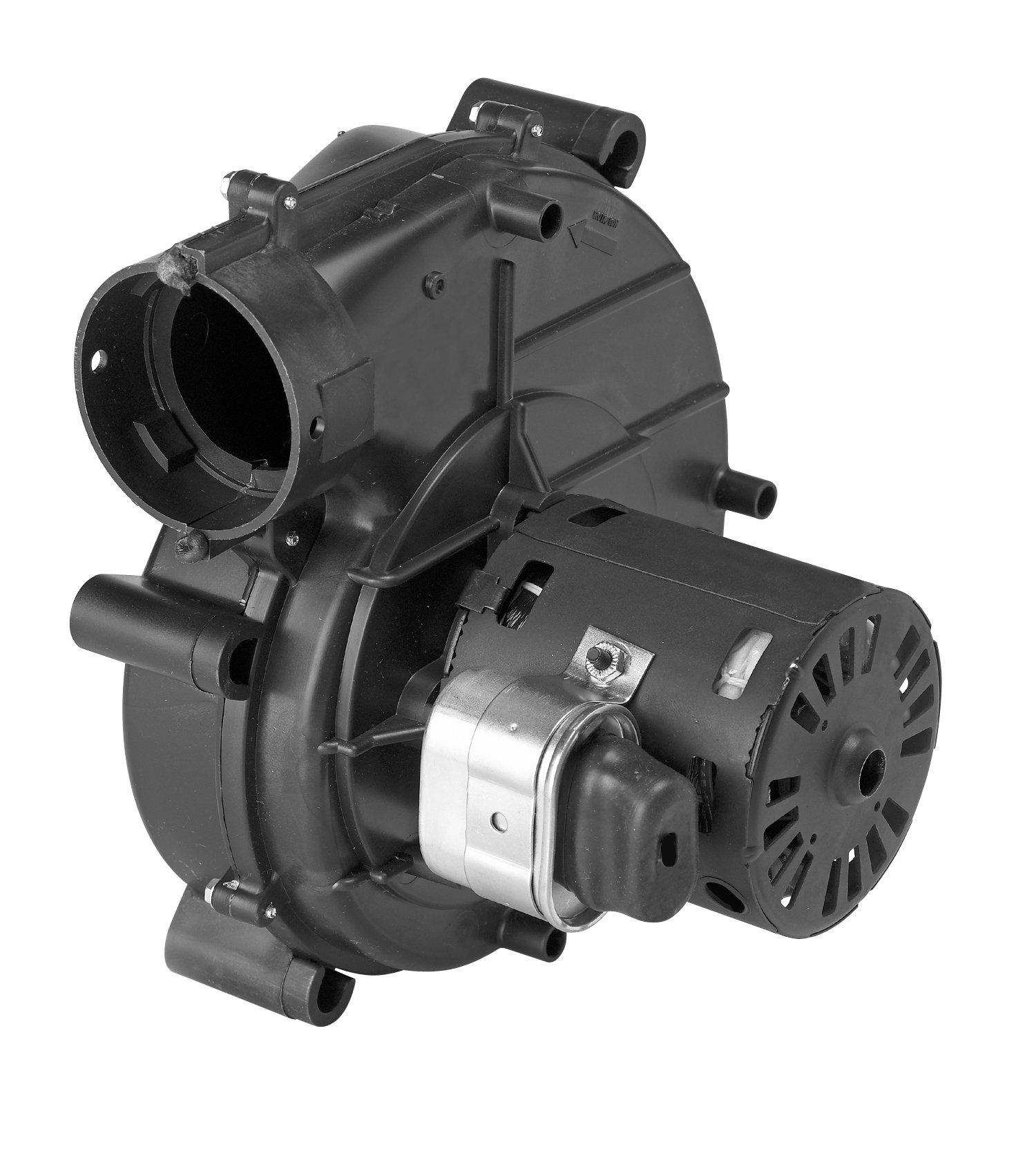
An image showing the Fasco A168 furnace draft inducer blower, a black unit with a motor attached, designed for expelling exhaust from furnaces.
Key Features:
- Thermal Protection: Built-in protection against overheating.
- Certifications: UL recognized; CSA or ULc certified for safety standards.
- Rotation: Clockwise shaft end rotation.
- Bearings: Equipped with ball bearings for enhanced durability and reduced friction.
- Application: Suitable for use in gas or oil furnaces and heaters.
4. Setup and Installation
The Fasco A168 is typically used as a replacement part for existing furnace draft inducer blowers. Installation requires technical knowledge and should ideally be performed by a qualified HVAC technician.
Installation Steps (General Guidelines):
- Power Disconnection: Turn off all electrical power to the furnace at the main breaker or fuse box. Verify power is off using a voltage tester.
- Access: Locate and access the existing draft inducer blower on your furnace.
- Disconnection: Disconnect the wiring from the old blower. Note the wiring configuration for correct re-connection.
- Removal: Unbolt and carefully remove the old blower unit. Be aware that the existing gasket may be difficult to salvage.
- Gasket/Sealant: It is highly recommended to use a new gasket or appropriate high-temperature sealant when installing the new blower to ensure an airtight seal. This product does not typically include a gasket.
- Mounting: Mount the new Fasco A168 blower in place, securing it with the appropriate bolts.
- Wiring: Reconnect the electrical wiring to the new blower, ensuring all connections are tight and correct according to the furnace manufacturer's specifications.
- Testing: Restore power to the furnace and test the operation of the new draft inducer blower. Ensure it starts and runs smoothly, and that exhaust gases are properly vented.
Always refer to your specific furnace manufacturer's installation instructions for detailed steps and safety precautions.
5. Operating Instructions
The Fasco A168 Draft Inducer Blower operates automatically in conjunction with your furnace's control system. There are no direct user controls for this component. Once properly installed, the blower will activate as required by the furnace to ensure safe and efficient combustion and exhaust venting.
- Ensure the furnace thermostat is set to a heating mode and the desired temperature.
- The furnace control board will initiate the draft inducer blower cycle before ignition.
- The blower will run to establish a negative pressure in the combustion chamber and vent exhaust gases.
- After a successful heating cycle, the blower will continue to run for a short period to clear any remaining exhaust.
6. Maintenance
Regular maintenance of your furnace system, including the draft inducer blower, is crucial for longevity and efficient operation. It is recommended to have your furnace inspected annually by a qualified technician.
Maintenance Tips:
- Visual Inspection: Periodically inspect the blower for any signs of wear, damage, or unusual buildup of dirt or debris.
- Cleaning: Ensure the intake and exhaust ports of the blower are free from obstructions. Dust and debris can accumulate and hinder performance. Clean gently with a soft brush or vacuum if necessary, ensuring power is disconnected.
- Noise Check: Listen for any unusual noises (e.g., grinding, squealing) during operation, which could indicate bearing wear or an obstruction.
- Electrical Connections: During professional servicing, ensure all electrical connections to the blower are secure and free from corrosion.
7. Troubleshooting
If your furnace is not operating correctly, the draft inducer blower may be a contributing factor. Always consult a qualified technician for diagnosis and repair.
Common Issues:
- Blower Not Starting: Check for power supply, ensure all wiring connections are secure, and inspect for any obstructions preventing the impeller from turning. A faulty control board or pressure switch could also prevent the blower from starting.
- Unusual Noises: Grinding or squealing noises often indicate worn bearings. A rattling noise might suggest loose components or debris inside the housing.
- Furnace Not Igniting: If the draft inducer blower does not create sufficient draft, the furnace's pressure switch may prevent ignition as a safety measure. Check for blockages in the exhaust vent or issues with the blower itself.
- Overheating: The unit is thermally protected, but persistent overheating could indicate excessive load, insufficient airflow, or an internal motor issue.
Do not attempt complex repairs yourself unless you are a qualified technician. Contact a professional for assistance.
8. Specifications
| Specification | Value |
|---|---|
| Manufacturer | Fasco |
| Part Number | A168 |
| Item Weight | 3 pounds |
| Product Dimensions | 11.1 x 10.7 x 10.5 inches |
| Power Source | Corded Electric |
| Voltage | 115 Volts |
| Amperage | 0.7 Amps |
| Speed | 3450 RPM |
| Horse Power | 1/20 HP |
| Diameter | 3.3 inches |
| Bearing Type | Ball Bearing |
| Certifications | UL recognized; CSA or ULc certified |
9. Warranty and Support
For information regarding product warranty, please refer to the documentation provided with your purchase or contact Fasco directly. For technical support or service inquiries, please reach out to your authorized Fasco dealer or a qualified HVAC professional.
Manufacturer: Fasco
Website: www.fasco.com (Note: This is a placeholder link, please verify the official Fasco website for support.)


