
1. Introduction
This manual provides comprehensive instructions for the setup, operation, and maintenance of your Audix OM2 Dynamic Vocal Microphone. Please read this manual thoroughly before using the product to ensure optimal performance and longevity.

Figure 1: Audix OM2 Dynamic Vocal Microphone. This image shows the microphone's sleek black body and metal grille.
2. Product Features
- Versatile Performance: Suitable for a wide variety of live, home, and studio applications, including vocals and instruments.
- Clear Sound Reproduction: Known for clear and accurate sound reproduction with exceptional voice response.
- Feedback Resistance: Features a proprietary anti-feedback design, ideal for live performances.
- High SPL Handling: Capable of handling very high Sound Pressure Levels (SPLs) without distortion.
- Durable Construction: Built with a robust zinc alloy body, black E-coat finish, steel grille, and gold-plated XLR connector for longevity.
- VLM (Very Low Mass) Diaphragm: Employs a VLM type-B diaphragm for a precise sound with a tailored mid-range.
3. Package Contents
Upon unpacking your Audix OM2, please ensure all items listed below are present:
- Audix OM2 Dynamic Vocal Microphone
- Microphone Clip
- Protective Pouch
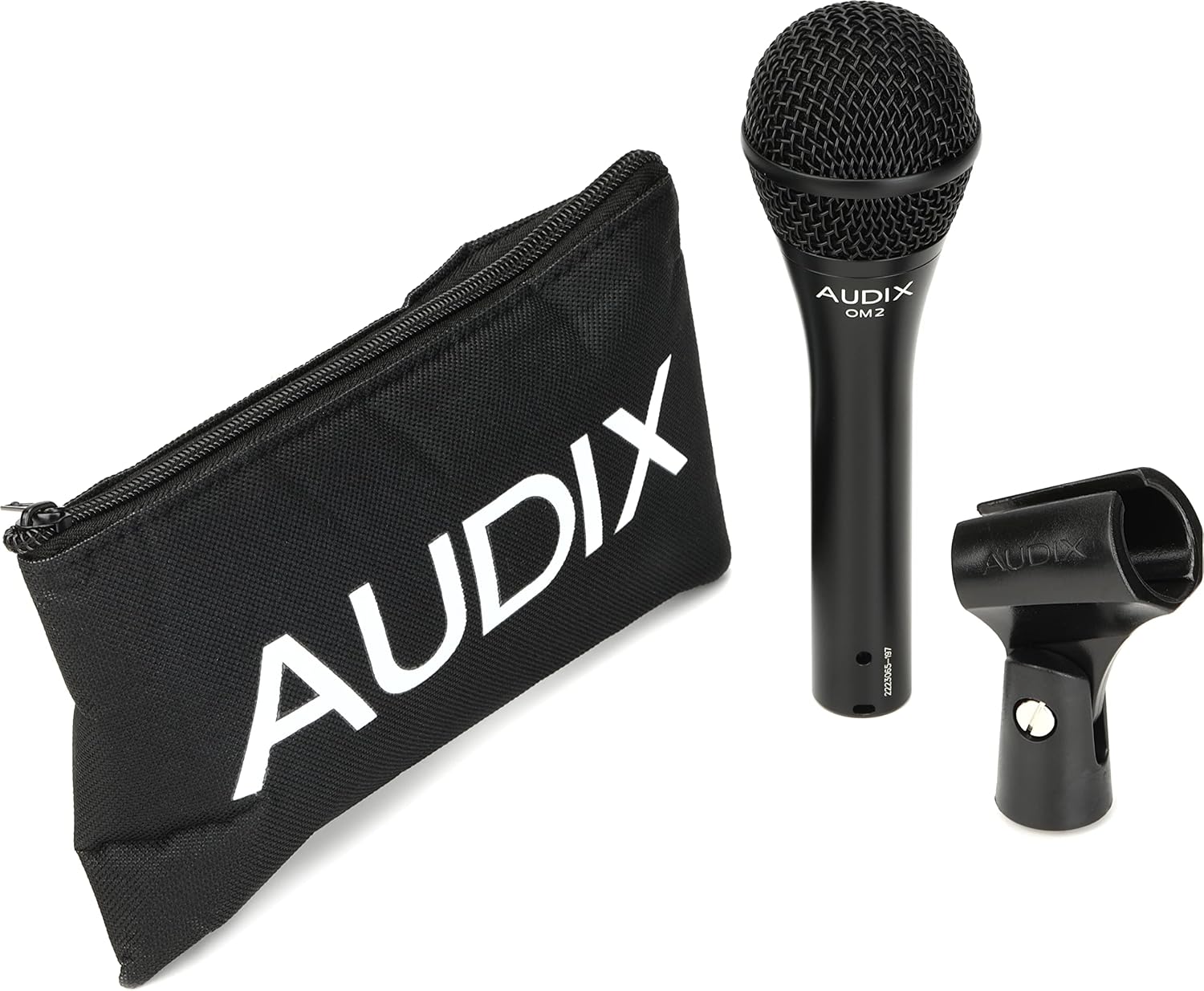
Figure 2: The Audix OM2 microphone shown with its included microphone clip and protective pouch.
4. Setup
- Attach Microphone Clip: Securely fasten the included microphone clip to a standard microphone stand.
- Mount Microphone: Insert the Audix OM2 microphone into the microphone clip. Ensure it is firmly seated.
- Connect XLR Cable: Connect a standard XLR cable (not included) to the microphone's XLR output connector. The OM2 uses a 3-pin XLR connector.
- Connect to Audio System: Plug the other end of the XLR cable into your mixer, audio interface, or amplifier.

Figure 3: Close-up view of the Audix OM2 microphone's XLR connector, ready for cable attachment.
5. Operating Instructions
5.1 Microphone Placement
- For vocals, hold the microphone 1-6 inches from your mouth. Experiment with distance to achieve desired tone and proximity effect.
- The OM2 features a Hypercardioid polar pattern, which is highly directional. Aim the microphone directly at the sound source to maximize pickup and minimize off-axis noise and feedback.
- When miking instruments, position the microphone close to the sound source (e.g., guitar amplifier speaker, drum head) for a direct and punchy sound.
5.2 Gain Staging
- Adjust the gain on your mixer or audio interface to achieve a strong signal without clipping (distortion). The OM2 can handle high SPLs, but proper gain staging is crucial.
- The microphone's sensitivity is 1.7 mV/Pascal @ 1kHz, providing a robust signal.
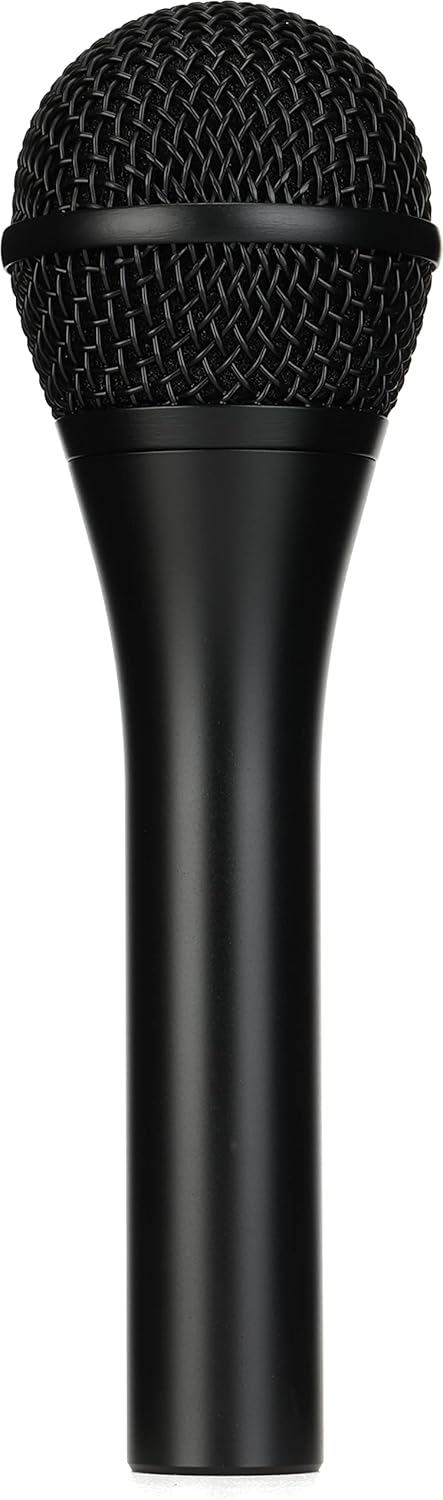
Figure 4: A close-up of the Audix OM2 microphone's grille, highlighting its robust construction and design for vocal clarity.
6. Maintenance
- Cleaning: Use a soft, dry cloth to wipe down the microphone body. For the grille, a soft brush can be used to gently remove dust or debris. Avoid using liquid cleaners directly on the microphone.
- Storage: When not in use, store the microphone in its included protective pouch to prevent dust accumulation and physical damage.
- Handling: While the OM2 is built for durability, avoid dropping or subjecting it to excessive force to maintain its performance and appearance.
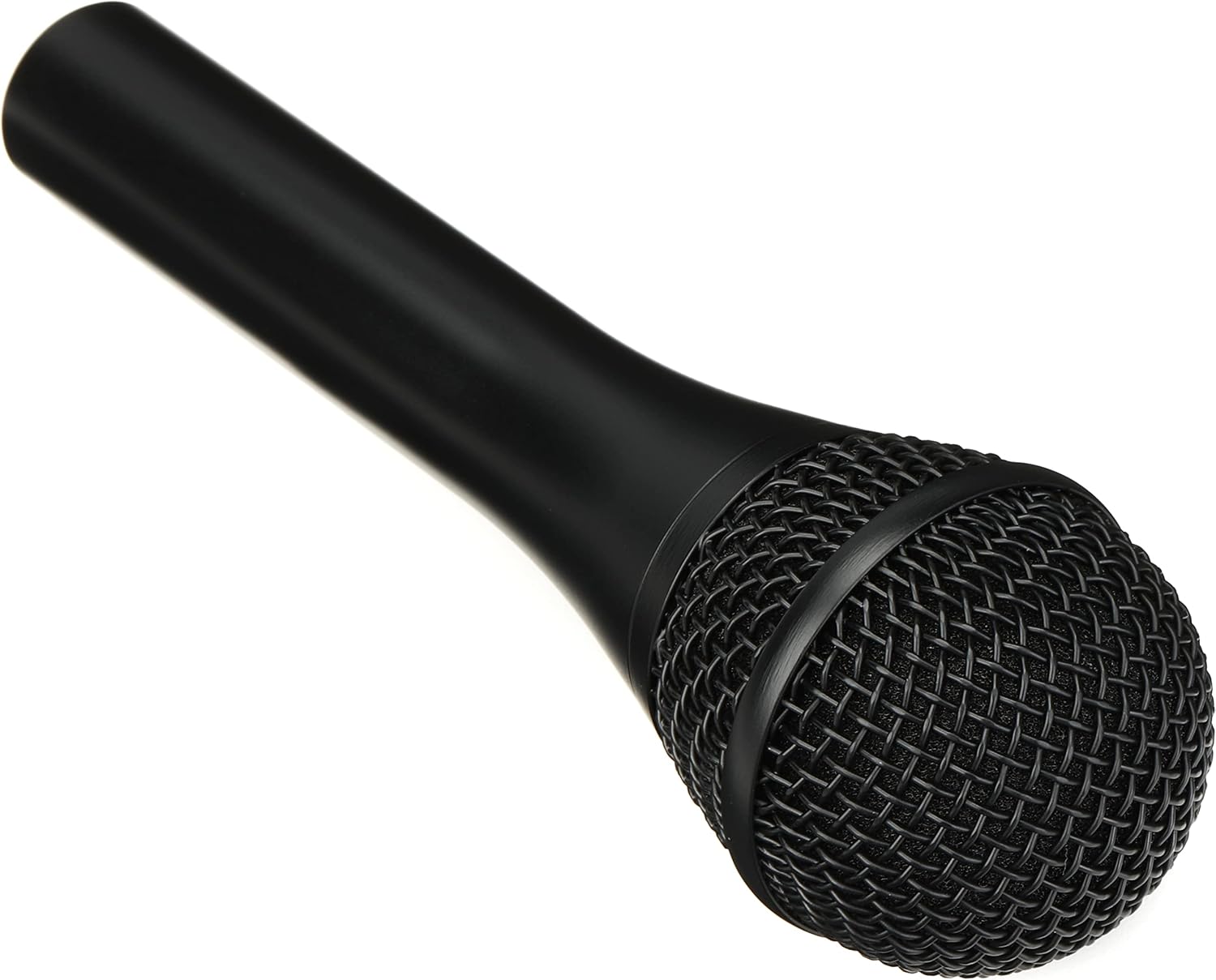
Figure 5: The Audix OM2 microphone viewed from an angle, showcasing its ergonomic design and durable finish.
7. Troubleshooting
- No Sound:
- Ensure all XLR cables are securely connected at both ends.
- Verify that the input channel on your mixer/interface is selected and its gain is appropriately set.
- Check if phantom power is accidentally engaged on a dynamic microphone input, though the OM2 is dynamic and does not require it.
- Feedback Issues:
- Reposition the microphone to point directly at the sound source and away from speakers.
- Reduce the gain on the input channel.
- Utilize the anti-feedback design by ensuring proper microphone technique.
- Distorted Sound:
- Lower the input gain on your mixer/interface. The microphone might be receiving too strong a signal.
- Ensure the microphone is not too close to an extremely loud sound source.
8. Specifications
| Feature | Specification |
|---|---|
| Transducer Type | Dynamic |
| Frequency Response | 50 Hz – 16 kHz |
| Polar Pattern | Hypercardioid |
| Output Impedance | 250 ohms |
| Sensitivity | 1.7 mV / Pascal @ 1kHz |
| Off Axis Rejection | > 25 dB |
| Maximum SPL | 140 dB |
| Material | Zinc alloy, black E-coat finish, steel, gold |
| Item Weight | 15.8 ounces (0.99 Pounds) |
| Product Dimensions | 8.85 x 4.35 x 2.65 inches |
| Connectivity Technology | XLR |
| Recommended Uses | Singing, Speech |
9. Warranty and Support
For warranty information and technical support, please refer to the official Audix website or contact their customer service directly. Keep your purchase receipt as proof of purchase for any warranty claims.


