
Introduction
The Luster Leaf Rapitest Soil Test Kit (Model 1601) provides a quick and accurate method for determining essential nutrient levels and pH in your garden soil. Understanding your soil's composition is crucial for successful plant growth, allowing you to make informed decisions about amendments and fertilizers. This kit is designed for both novice and experienced gardeners, offering a straightforward approach to soil analysis.
This kit includes all necessary components for 40 tests, with 10 tests each for pH, Nitrogen, Phosphorus, and Potash. The patented color comparator system simplifies result interpretation, and comprehensive instructions are provided to guide you through each step.
Kit Components
- 4 Color Comparators (1 for each test: pH, Nitrogen, Phosphorus, Potash)
- 40 Test Capsules (10 each for pH, Nitrogen, Phosphorus, Potash)
- Dropper
- Instructions & Plant pH Preference List for over 450 plants

Figure 1: Overview of the Rapitest Soil Test Kit components.
Setup
Before beginning any test, ensure you have a clean workspace and access to distilled water for accurate results. Avoid touching the soil samples or test capsules directly with your hands to prevent contamination.
Preparing Soil Samples
- Collect soil samples from various areas of your garden to get a representative average.
- Remove any debris, stones, or large organic matter from the soil.
- Crumble the soil to a fine texture.
- Allow the soil to air dry if it is excessively wet.
Operating Instructions
Each test (pH, Nitrogen, Phosphorus, Potash) follows a similar procedure. Always refer to the specific color comparator for the test you are performing.
General Testing Procedure
- Remove the cap from the appropriate color comparator.
- Fill the test chamber with the prepared soil sample up to the indicated fill line.
- Carefully open one capsule of the corresponding test (e.g., green for pH, purple for Nitrogen, blue for Phosphorus, orange for Potash) and empty its powder into the soil in the test chamber.
- Using the dropper, add distilled water to the test chamber up to the indicated water fill line.
- Replace the cap securely.
- Shake the comparator vigorously for 1 minute to thoroughly mix the soil, powder, and water.
- Allow the mixture to settle. The settling time varies by test:
- pH Test: Allow 1 minute.
- Nitrogen, Phosphorus, Potash Tests: Allow 10 minutes for the color to develop.
- Once the color has developed, compare the color of the liquid in the test chamber to the color chart on the side of the comparator.
Specific Test Details
pH Test
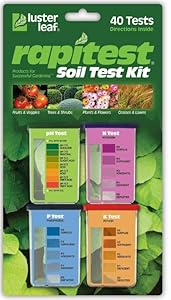
Figure 2: pH Test Comparator. Green capsules are used for this test.
The pH test measures the acidity or alkalinity of your soil. This is critical as it affects nutrient availability to plants. The color scale ranges from pH 4.5 (very acid) to pH 7.5 (alkaline).
Nitrogen (N) Test

Figure 3: Nitrogen Test Capsules. Purple capsules are used for this test.
Nitrogen is essential for leaf growth and green foliage. A deficiency can lead to yellow leaves and stunted growth. The color scale indicates levels from depleted to surplus.
Phosphorus (P) Test
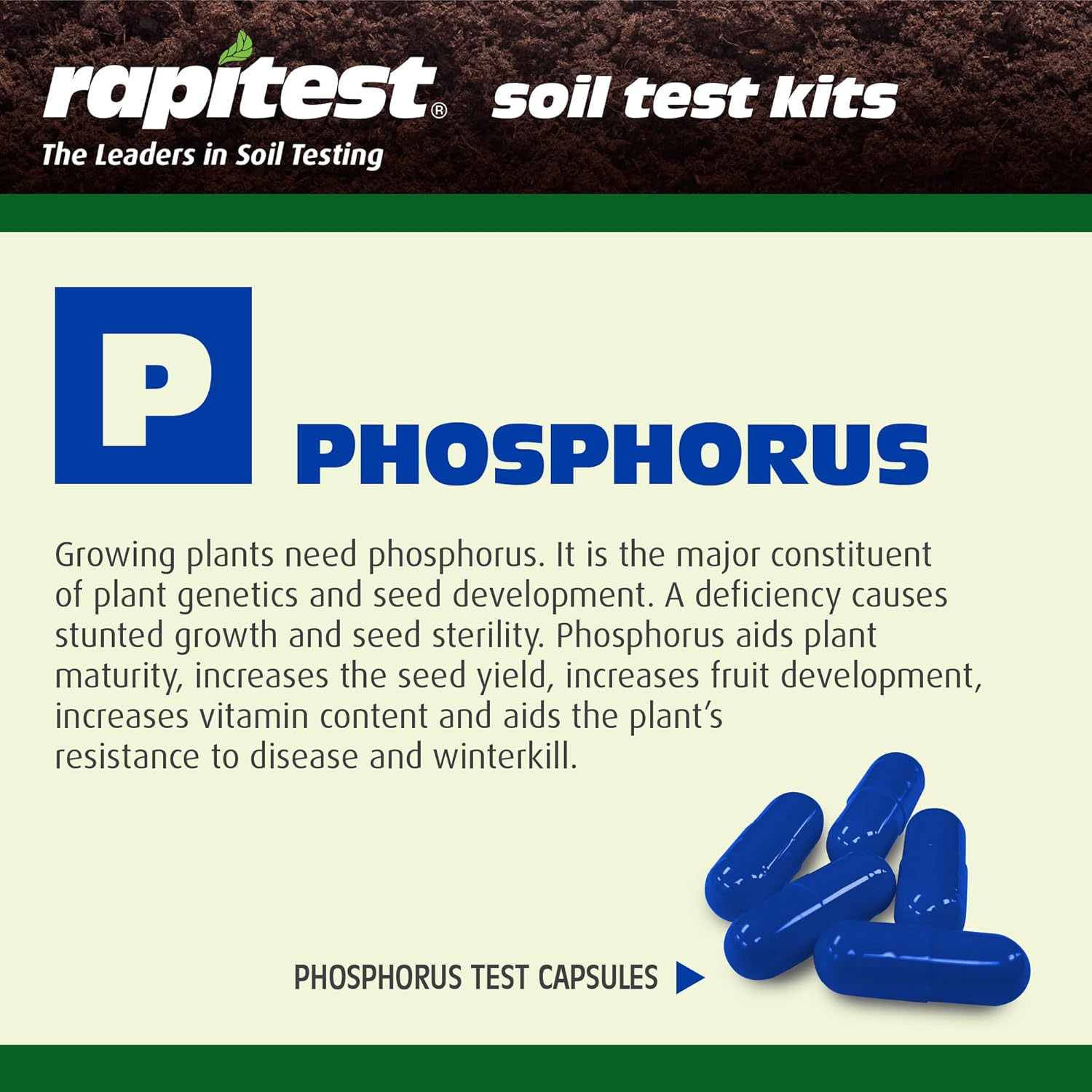
Figure 4: Phosphorus Test Capsules. Blue capsules are used for this test.
Phosphorus is vital for plant genetics, seed development, and fruit production. It also enhances disease resistance. The color scale indicates levels from depleted to surplus.
Potash (K) Test
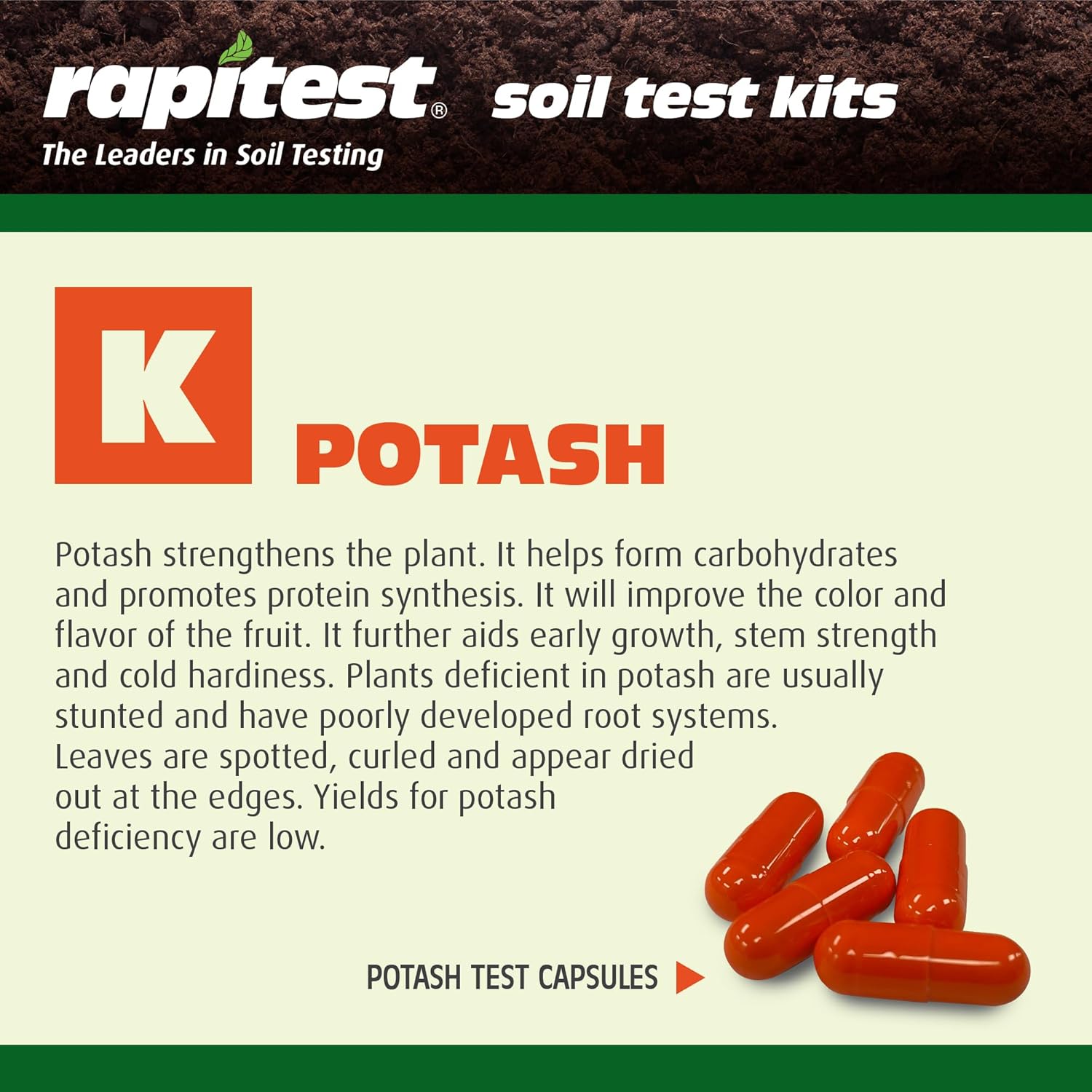
Figure 5: Potash Test Capsules. Orange capsules are used for this test.
Potash strengthens plants, aids in carbohydrate formation, and improves fruit quality. Deficiency can lead to stunted growth and poor root systems. The color scale indicates levels from depleted to surplus.
Video Guide: How to Use the Rapitest Soil Test Kit
Video 1: A detailed demonstration on how to perform the pH, Nitrogen, Phosphorus, and Potash tests using the Rapitest Soil Test Kit.
Video 2: Learn how to use the Luster Leaf Soil Kit to achieve the most accurate results for your soil analysis.
Interpreting Results
After the recommended settling time, observe the color of the liquid in the test chamber. Compare this color to the corresponding color chart on the side of the comparator. The closest match indicates the level of the nutrient or pH in your soil.

Figure 6: Instructions and Color Comparators for all tests.
pH Preference List
The kit includes a comprehensive pH preference list for over 450 plants. Use this list to determine the ideal pH range for the specific plants you are growing. If your soil's pH falls outside this range, adjustments may be necessary.
Adjusting Soil
Based on your test results, you can amend your soil to achieve optimal conditions for your plants. The instruction guide provides recommendations for adjusting pH and nutrient levels using various materials.
pH Adjustment
- To increase pH (make soil more alkaline), apply materials like hydrated lime or dolomitic/calcitic limestone.
- To decrease pH (make soil more acidic), apply materials like iron sulfate or aluminum sulfate.
Nutrient Adjustment
- For Nitrogen deficiency, consider adding blood meal, cottonseed meal, or nitrogen-rich fertilizers.
- For Phosphorus deficiency, use bone meal, rock phosphate, or phosphorus-rich fertilizers.
- For Potash deficiency, apply greensand, wood ash, or potash-rich fertilizers.
Always follow recommended application rates and retest your soil periodically to monitor changes.
Maintenance
Keep the test kit components clean and dry after each use. Store capsules in a cool, dry place away from direct sunlight. Ensure caps are securely fastened on comparators to prevent contamination.
Troubleshooting
- Inaccurate Results: Ensure you are using distilled water and that soil samples are free of debris. Avoid touching capsules with bare hands.
- Slow Color Development: Ensure thorough shaking of the comparator. For Phosphorus, Nitrogen, and Potash tests, allow the full 10 minutes for color development.
- Cloudy Solution: If the solution remains cloudy after settling, it may affect accuracy. Allow more time for solids to settle or use a finer soil sample.
Specifications
| Feature | Detail |
|---|---|
| Brand | Luster Leaf |
| Model Number | 1601 |
| Product Dimensions | 5"W x 5.91"H |
| Item Weight | 0.25 Pounds (4 ounces) |
| Tests Included | 40 (10 each for pH, Nitrogen, Phosphorus, Potash) |
| Battery Requirement | No batteries required |
| Mounting Type | Tabletop |
Warranty and Support
For warranty information or product support, please refer to the contact details provided on the product packaging or visit the official Luster Leaf website. Keep your purchase receipt for any warranty claims.
Luster Leaf Products, Inc.
Woodstock, Illinois 60098
Phone: 800.327.4635
Website: www.lusterleaf.com