
Introduction
This manual provides a comprehensive guide for the effective use of the book "Probability and Statistics for Engineers, 6th Edition". It is designed to help students and instructors maximize their learning and reference experience with this fundamental text. The book covers essential principles of probability and statistics, with a focus on engineering applications.
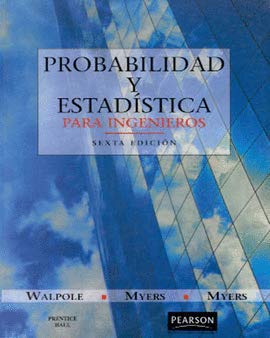
Image 1: Cover of the book "Probability and Statistics for Engineers, 6th Edition". It displays the book's title and authors' names against a blue background with an architectural design.
Setup for Study
For an optimal learning experience, consider the following steps:
- Review Prerequisites: Ensure you have a solid foundation in differential and integral calculus, as these concepts are fundamental to understanding many of the topics covered.
- Familiarize with Structure: Examine the table of contents to understand the book's organization. Note the logical progression of chapters, from basic probability concepts to more advanced topics in statistical inference.
- Additional Materials: If required by your course, identify and prepare any statistical software, graphing calculators, or supplementary online resources that will be used alongside the book.
Effective Use of the Book
Follow these guidelines to maximize your learning:
- Active Reading: Read each section carefully, paying attention to definitions, theorems, and examples. Take notes and highlight key points.
- Problem Solving: The exercises at the end of each chapter are crucial for comprehension. Attempt to solve them independently before consulting solutions (if available).
- Understanding Examples: Analyze the solved examples within the text. These illustrate the application of theoretical concepts to practical problems.
- Using Appendices and Tables: Familiarize yourself with the appendices, which often contain statistical tables, formulas, and useful reference material.
Book Maintenance
To preserve the condition of your book and ensure its durability:
- Storage: Store the book in a cool, dry place, away from direct sunlight and excessive humidity to prevent paper and binding deterioration.
- Handling: Avoid bending page corners or forcing the binding. Use bookmarks instead of folding pages.
- Cleaning: If necessary, wipe the cover with a soft, dry cloth. Avoid using liquids or chemicals that could damage the material.
Troubleshooting Comprehension Issues
If you encounter difficulties understanding the material:
- Review Fundamentals: Re-read previous sections or introductory chapters to reinforce basic concepts.
- Consult Additional Examples: Look for solved examples online or in other textbooks to gain different perspectives.
- Discuss with Peers or Instructors: Discussing difficult concepts with others can clarify doubts and offer new ways to approach problems.
- Practice More Exercises: Consistent practice is key to mastering probability and statistics concepts.
Book Specifications
| Title | Probability and Statistics for Engineers |
| Edition | 6th Edition |
| Authors | Raymond H. Myers, Sharon L. Myers, Ronald E. Walpole |
| Publisher | Prentice Hall |
| Publication Date | March 1, 2000 |
| Language | Español |
| ISBN-10 | 9701702646 |
| ISBN-13 | 978-9701702642 |
| Item Weight | 1.2 Kilograms |
Support and Contact
For inquiries related to the book's content, errata, or additional information, you may contact the publisher:
- Publisher: Prentice Hall
- Website: It is recommended to visit the official website of Pearson (owner of Prentice Hall) for updated support resources.
- Contact Information: Refer to the copyright page or the back cover of the book for specific publisher contact details in your region.
This manual does not include a product warranty in the traditional sense, as it refers to a textbook. The quality of the content is supported by the reputation of the authors and the publisher.