1. Introduction to Slow Stitch
This manual serves as a companion to the book "Slow Stitch: Mindful and Contemplative Textile Art" by Claire Wellesley-Smith. It outlines the foundational concepts and practical applications presented within the book, guiding readers toward a more thoughtful and sustainable approach to textile art. The book emphasizes quality over quantity, encouraging a deeper connection with materials and the creative process.
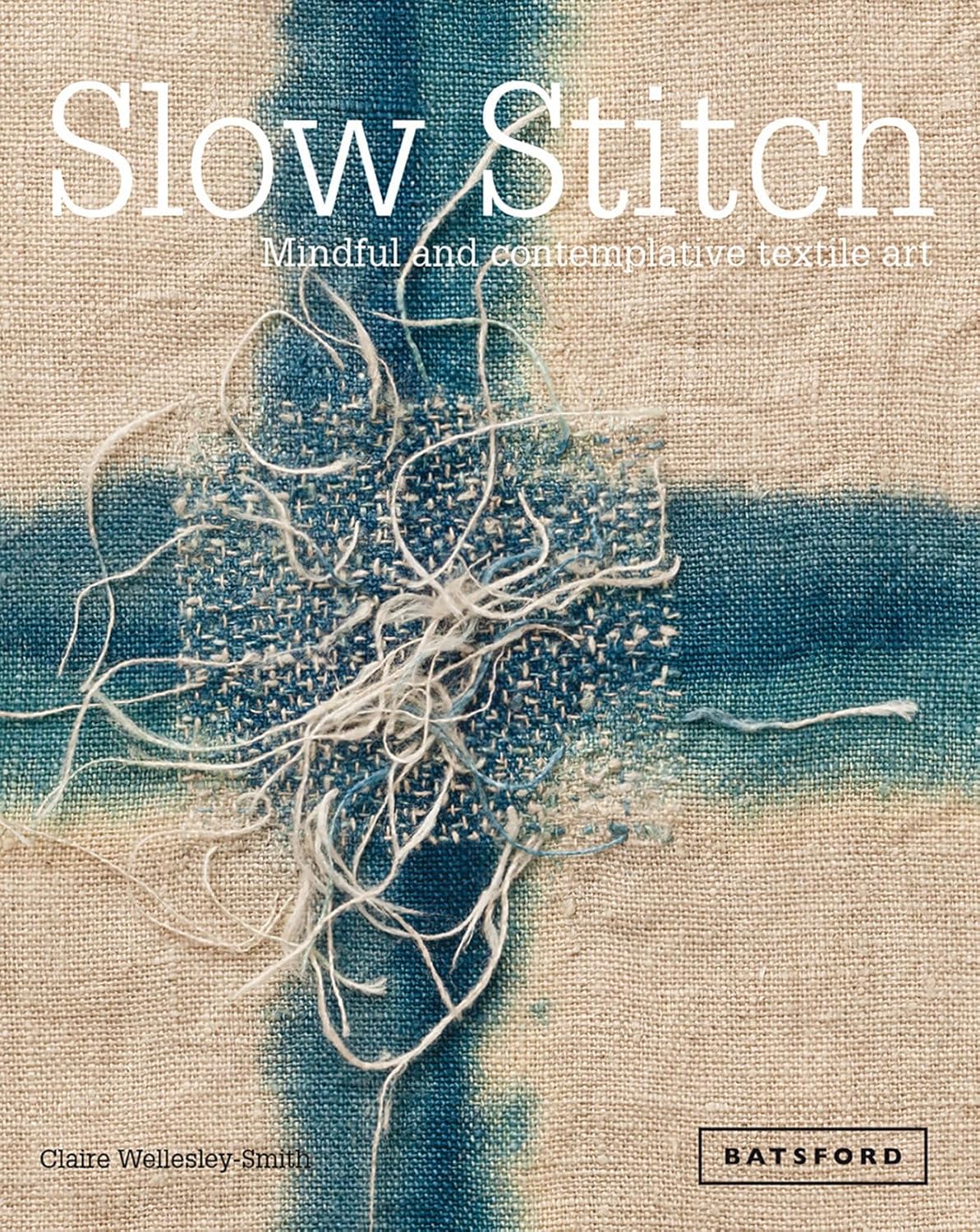
Image: The cover of "Slow Stitch: Mindful and Contemplative Textile Art", illustrating the book's focus on textured, hand-stitched textiles.
2. Understanding the Core Principles (Setup)
Before embarking on the practical aspects, it is essential to grasp the core philosophy of slow stitch. This approach is rooted in mindfulness, contemplation, and sustainability. It encourages artists to:
- Slow Down: Prioritize the process of making over the speed of completion.
- Be Mindful: Engage fully with the materials, textures, and the act of stitching.
- Contemplate: Reflect on the meaning and purpose behind your textile work.
- Embrace Sustainability: Utilize existing resources, reuse materials, and minimize waste.
This foundational understanding sets the stage for a more fulfilling and meaningful textile art practice.
3. Practical Application and Techniques (Operating)
The book guides readers through various techniques that embody the slow stitch philosophy. These are not rigid instructions but rather inspirations for personal exploration.
3.1 Engaging with Materials
Focus on reusing and reinventing materials. This includes:
- Utilizing fabric scraps, old garments, or discarded textiles.
- Experimenting with natural dyes and found objects.
- Limiting new purchases to encourage creativity with what is available.
3.2 Stitching Practices
The book explores simple, traditional stitching techniques that promote a meditative rhythm:
- Basic running stitches, visible mending, and patching.
- Exploring techniques like Boro and Kantha, which celebrate repair and imperfection.
- Creating stitch journals to document your journey and experiments.
4. Sustaining Your Practice (Maintenance)
Maintaining a slow stitch practice involves consistent engagement and a supportive environment:
- Regular Practice: Dedicate specific time, even short periods, to your stitching.
- Reflection: Periodically review your stitch journal or finished pieces to observe your progress and insights.
- Community Engagement: Connect with other textile artists or groups who share similar values.
- Continuous Learning: Explore new materials, techniques, or historical contexts related to textile art.
5. Addressing Common Challenges (Troubleshooting)
Even with a mindful approach, challenges may arise. Here are some common issues and suggestions:
5.1 Overcoming Creative Blocks
If inspiration wanes:
- Revisit earlier sections of the book for renewed perspective.
- Experiment with a new material or a different color palette.
- Take a break and engage in another mindful activity.
- Look for inspiration in nature or everyday objects.
5.2 Sourcing Materials
If you struggle to find suitable recycled materials:
- Explore local thrift stores, charity shops, or textile recycling centers.
- Ask friends and family for old clothing or fabric scraps.
- Consider natural dyeing techniques using common kitchen scraps or garden plants.
6. Product Specifications
| Attribute | Detail |
|---|---|
| Title | Slow Stitch: Mindful and Contemplative Textile Art |
| Author | Claire Wellesley-Smith |
| Publisher | Batsford |
| Publication Date | October 6, 2015 |
| Language | English |
| Print Length | 128 pages |
| ISBN-10 | 1849942994 |
| ISBN-13 | 978-1849942997 |
| Item Weight | 2.31 pounds |
| Dimensions | 8.82 x 0.62 x 11.17 inches |
7. Author and Publisher Information (Support)
For further insights or inquiries related to the content and philosophy of "Slow Stitch", the primary resource is the author and publisher.
7.1 About the Author
Claire Wellesley-Smith is a textile artist based in Yorkshire, UK. She is known for her work in sustainable stitch, repurposed cloth, and traditional techniques. Her extensive teaching experience in various educational and community settings informs her approach to textile art, making her a leading voice in mindful and contemplative practices.
7.2 Publisher Information
Batsford is the publisher of "Slow Stitch: Mindful and Contemplative Textile Art". For general inquiries regarding the publication, please refer to Batsford's official contact channels.