1. Introduction
This Haynes Repair Manual provides comprehensive service and repair information for Peugeot 306 models produced between 1993 and 2002. It covers both petrol and diesel engine variants, including 1.3 litre (1285cc) and 1.6 litre (1584cc) petrol engines. The manual is designed to assist owners and professional technicians in performing maintenance, troubleshooting, and repair procedures effectively.
Each section details specific components and systems, offering step-by-step instructions, diagrams, and illustrations to guide you through various tasks, from routine servicing to major overhauls. Adherence to the procedures outlined in this manual will help ensure the safe and reliable operation of your vehicle.
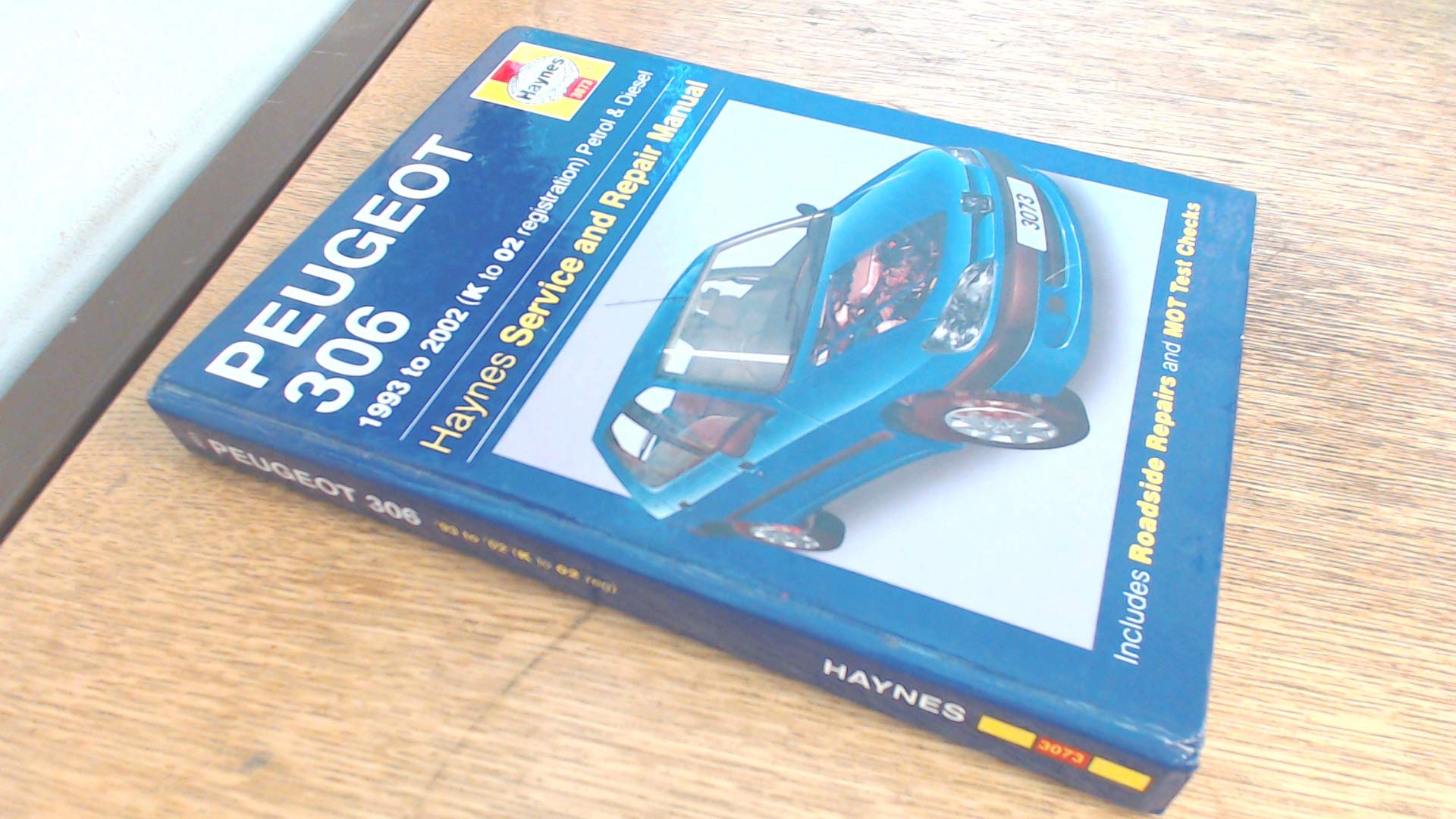
Figure 1.1: Front cover of the Peugeot 306 Haynes Repair Manual. This image displays the manual's title, vehicle models covered, and the Haynes logo, indicating a comprehensive guide for vehicle maintenance and repair.
2. Using This Manual
To maximize the utility of this manual, familiarize yourself with its structure and conventions. Chapters are organized by vehicle system, and each procedure is presented with clear headings and numbered steps. Safety warnings and precautions are highlighted throughout the text and must be observed to prevent injury or damage.
Important: Always refer to the safety section at the beginning of the manual before commencing any work on your vehicle. Use appropriate tools and personal protective equipment.
Diagrams and Illustrations: Exploded views and wiring diagrams are provided to aid in component identification and assembly. Cross-references to these visuals are included within the text.
3. Routine Maintenance
Regular maintenance is crucial for the longevity and performance of your Peugeot 306. This section outlines scheduled service tasks, including fluid checks, filter replacements, and general inspections.
3.1 Fluid Level Checks
- Engine Oil: Check level weekly. Refer to specifications for correct oil type.
- Coolant: Inspect level in expansion tank. Do not open when hot.
- Brake Fluid: Ensure level is between MIN and MAX marks.
- Power Steering Fluid: Check level with engine off and cold.
3.2 Filter Replacement
Air filter, fuel filter, and cabin filter replacement intervals are detailed in the maintenance schedule. Proper filtration is essential for engine efficiency and passenger comfort.
4. Engine Systems
This chapter covers detailed procedures for the petrol (1.3L, 1.6L) and diesel engines. It includes information on cylinder head removal and installation, timing belt replacement, and engine block servicing.
4.1 Cylinder Head Removal
- Disconnect battery negative terminal.
- Drain engine coolant.
- Remove air intake system components.
- Disconnect all hoses and electrical connectors attached to the cylinder head.
- Loosen cylinder head bolts in reverse of tightening sequence.
Refer to the torque specifications section for correct tightening sequences and values during reassembly.
5. Transmission & Drivetrain
This section provides instructions for the removal, inspection, and installation of the manual gearbox, clutch assembly, and drive shafts. Proper lubrication and adjustment are critical for smooth operation.
5.1 Clutch Replacement
Replacing the clutch requires removal of the gearbox. Ensure the vehicle is securely supported on jack stands before beginning this procedure.
- Remove gearbox.
- Unbolt pressure plate and remove clutch disc.
- Inspect flywheel for wear or damage.
- Install new clutch disc and pressure plate, ensuring correct alignment.
6. Braking System
Detailed procedures for inspecting, maintaining, and repairing the front and rear braking systems, including disc brakes, drum brakes, and the anti-lock braking system (ABS) where fitted. Safety is paramount when working on brakes.
6.1 Brake Pad Replacement (Front)
- Raise vehicle and remove wheel.
- Remove caliper retaining bolts.
- Carefully remove old brake pads.
- Clean caliper and lubricate sliding surfaces.
- Install new brake pads and reassemble.
After any brake work, pump the brake pedal several times to restore pressure before driving.
7. Troubleshooting
This section provides diagnostic charts and common symptoms to help identify and resolve issues with your Peugeot 306. It covers problems related to engine starting, running, braking, and electrical faults.
| Symptom | Possible Cause | Remedy |
|---|---|---|
| Engine cranks but won't start | No fuel, no spark, or incorrect timing | Check fuel pump, ignition system, and timing belt. |
| Engine starts then stalls | Faulty idle control valve, vacuum leak, or fuel pressure issue | Inspect idle control valve, check for vacuum leaks, test fuel pressure. |
8. Specifications
This section contains essential technical data, including torque settings, fluid capacities, and component dimensions for various Peugeot 306 models. Always refer to these specifications when performing repairs or maintenance.
8.1 Engine Torque Settings (Petrol 1.6L)
- Cylinder Head Bolts: Stage 1: 20 Nm, Stage 2: 60 degrees, Stage 3: 60 degrees.
- Spark Plugs: 25 Nm.
- Oil Drain Plug: 30 Nm.
8.2 Fluid Capacities
- Engine Oil (with filter): 4.2 Litres.
- Coolant System: 6.5 Litres.
- Manual Gearbox Oil: 2.0 Litres.