1. Introduction to the Work
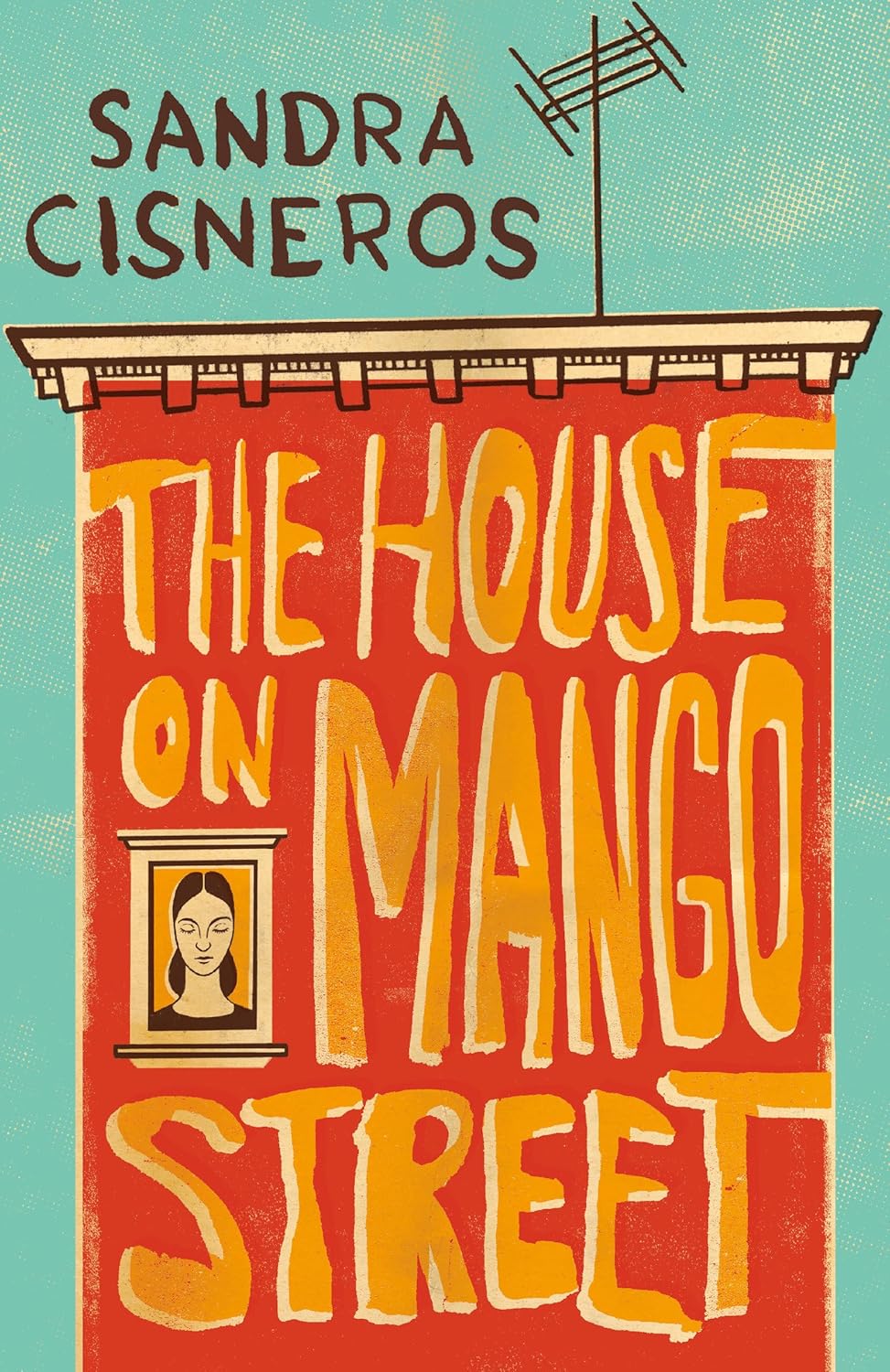
"The House on Mango Street" is a seminal work of American literature, presented as a series of vignettes that chronicle the coming-of-age of Esperanza Cordero, a young Latina girl growing up in the Hispanic quarter of Chicago. This novel explores themes of identity, community, and the search for a sense of belonging through poetic and direct language.
2. Setup: Preparing for Engagement
To fully appreciate "The House on Mango Street," consider the following:
- Reading Environment: Find a quiet space conducive to reflection, as the book's vignettes often invite contemplation.
- Open Mindset: Approach the narrative with an openness to diverse cultural experiences and perspectives.
- Note-Taking (Optional): Due to its vignette structure, readers may find it beneficial to note recurring themes, symbols, or character developments.
3. Operating: Navigating the Narrative
The book is structured as a series of short, interconnected stories rather than a linear plot. Each vignette offers a glimpse into Esperanza's life, observations, and evolving understanding of her world.
3.1. Reading Approach
- Pacing: The short chapters allow for flexible reading. They can be read individually for quick insights or consecutively to build a comprehensive understanding of Esperanza's journey.
- Focus on Imagery: Cisneros employs rich figurative language. Pay attention to sensory details and metaphors that convey Esperanza's perceptions and emotions.
- Identify Themes: Look for overarching themes such as identity, gender roles, poverty, community, and the pursuit of dreams.
3.2. Understanding the Author's Intent
Sandra Cisneros wrote "The House on Mango Street" to fill a void in literature where her own experiences and culture were not authentically represented. The book serves as a testament to the power of personal narrative and the importance of diverse voices.
4. Maintenance: Preserving the Work
For physical copies of "The House on Mango Street" (Paperback, ISBN-13: 978-0679734772):
- Storage: Store in a cool, dry place away from direct sunlight to prevent yellowing of pages and cover degradation.
- Handling: Handle with clean hands to avoid transferring oils or dirt to the pages. Avoid folding pages or forcing the spine open excessively.
- Protection: Consider using a bookmark instead of dog-earing pages.
For digital editions (e.g., Kindle, Audiobook):
- Backup: Ensure digital copies are backed up to prevent loss.
- Software Updates: Keep e-reader software or audiobook applications updated for optimal performance.
5. Troubleshooting: Common Interpretive Challenges
Readers may encounter certain aspects that require deeper consideration:
- Non-Linear Structure: The vignette format may initially feel disjointed. Focus on the emotional and thematic connections between chapters rather than a strict chronological progression.
- Cultural Nuances: Some references may be specific to Chicana culture. Utilize available resources (e.g., literary analyses, cultural studies) for enhanced understanding if needed.
- Ambiguity: Certain vignettes conclude without definitive resolutions. This is often intentional, inviting readers to engage in personal interpretation and reflection.

![Quote from The New York Times Book Review: 'Cisneros draws on her rich [Latino] heritage...She is not only a gifted writer, but AN ABSOLUTELY ESSENTIAL ONE.'](https://m.media-amazon.com/images/S/aplus-media-library-service-media/6509ee2c-5a69-414b-b32a-8834a942d558.__CR0,0,300,300_PT0_SX300_V1___.jpg)

6. Specifications
| Attribute | Detail |
|---|---|
| Title | The House on Mango Street |
| Author | Sandra Cisneros |
| Format | Paperback |
| ASIN | 0679734775 |
| Publisher | Vintage |
| Publication Date | April 3, 1991 |
| Language | English |
| Print Length | 110 pages |
| ISBN-10 | 9780679734772 |
| ISBN-13 | 978-0679734772 |
| Item Weight | 2.31 pounds |
| Dimensions | 5.2 x 0.4 x 8 inches |
| Lexile Measure | 870L |
7. About the Author
Sandra Cisneros is a distinguished poet, short story writer, novelist, and essayist. Her work frequently explores the lives of the working-class and her rich Latino heritage. She has received numerous accolades, including NEA fellowships, a MacArthur Fellowship, and the National Medal of the Arts. "The House on Mango Street" is one of her most celebrated works, having sold millions of copies and translated into over twenty languages, becoming required reading in educational institutions nationwide.


