
1. Introduction to Industrial Electrical Wiring
This manual, Industrial Electrical Wiring: Design, Installation, and Maintenance, serves as a comprehensive guide for professionals involved in electrical construction projects. It focuses on practical applications, codes, standards, and print reading, rather than theoretical discussions. The content addresses real-world issues encountered in the design and implementation of electrical installations within industrial settings.
Key topics covered include overcurrent protection, low-voltage terminations, electrical calculations, various wiring methods, equipment fasteners, and electric motors. The objective is to provide clear, concise guidelines and practical solutions for a wide range of industrial electrical systems.
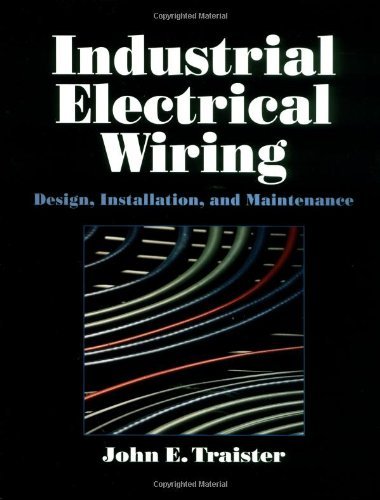
Image 1.1: Front cover of the "Industrial Electrical Wiring" manual. This image displays the title, subtitle, and author's name, along with a graphic representation of electrical wiring.
2. Using This Manual Effectively
To maximize the utility of this manual, consider the following approach:
- Understand the Structure: The manual is organized into chapters that address specific aspects of industrial electrical wiring. Each chapter builds upon foundational knowledge.
- Focus on Practical Applications: The text emphasizes practical solutions and real-world scenarios. Pay close attention to the detailed drawings and examples provided, as they illustrate complex problems and their resolutions.
- Reference Codes and Standards: The manual frequently refers to relevant electrical codes and industry standards. It is recommended to cross-reference these with current local and national regulations for specific project requirements.
- Utilize Illustrations: Over 300 illustrations are included to clarify concepts and procedures. These visual aids are integral to understanding the design and implementation processes.
3. Core Principles and Design Considerations
This section outlines fundamental principles for industrial electrical wiring design:
- Electrical Calculations: Proper sizing of conductors, conduits, and protective devices is critical. The manual provides methods for accurate electrical load calculations.
- Overcurrent Protection: Understanding and implementing effective overcurrent protection schemes is essential for safety and system integrity. This includes circuit breakers, fuses, and protective relays.
- Wiring Methods: Various wiring methods are discussed, including conduit systems, cable trays, and direct burial. Selection depends on environmental factors, load requirements, and code compliance.
- Low-Voltage Terminations: Correct termination practices for low-voltage control and communication circuits are detailed to ensure reliable operation.
4. Installation and Maintenance Guidelines
Effective installation and ongoing maintenance are crucial for the longevity and safety of industrial electrical systems. This manual provides guidance on:
- Installation Procedures: Step-by-step guidance for installing various components, ensuring adherence to design specifications and safety standards.
- Equipment Fasteners: Proper selection and application of fasteners for securing electrical equipment and components.
- Motor Controls: Principles and practical aspects of installing and maintaining motor control systems, including starters, variable frequency drives, and protective devices.
- Industrial Lighting: Design and installation considerations for industrial lighting systems, focusing on efficiency, safety, and compliance.
- Preventive Maintenance: Strategies for routine inspection, testing, and upkeep of electrical systems to prevent failures and ensure continuous operation.
5. Troubleshooting Common Electrical Issues
The manual equips readers with the knowledge to diagnose and resolve common electrical problems in industrial environments. While not a dedicated troubleshooting guide, the comprehensive coverage of design and installation principles provides a strong foundation for problem-solving. Key areas for troubleshooting include:
- Circuit Faults: Identifying and rectifying issues related to short circuits, ground faults, and open circuits.
- Motor Malfunctions: Diagnosing problems with electric motors and their control systems, such as overheating, failure to start, or erratic operation.
- Power Quality Issues: Understanding and addressing voltage sags, swells, harmonics, and other power quality disturbances.
- Control System Failures: Pinpointing issues within industrial control circuits, including PLCs, relays, and sensors.
Refer to the relevant chapters for detailed information on specific components and systems when diagnosing issues.
6. Product Specifications
| Attribute | Detail |
|---|---|
| Title | Industrial Electrical Wiring: Design, Installation, and Maintenance |
| Author | John E. Traister |
| Publisher | McGraw-Hill Professional |
| Publication Date | November 1, 1996 |
| Edition | 1st Edition |
| Language | English |
| Print Length | 539 pages |
| ISBN-10 | 0070653291 |
| ISBN-13 | 978-0070653290 |
| Item Weight | 2.4 pounds |
| Dimensions | 7.6 x 1.65 x 9.6 inches |
7. Support and Further Information
For inquiries regarding the content of this manual or for further information on McGraw-Hill Professional publications, please refer to the publisher's official resources.
- Publisher: McGraw-Hill Professional
- Author Information: Details about John E. Traister can often be found on the publisher's website or academic platforms.
- Additional Resources: Consider consulting updated electrical codes (e.g., National Electrical Code - NEC) and industry standards for the most current regulations and best practices.
This manual is intended as an informational resource and should be used in conjunction with professional judgment and adherence to all applicable safety regulations and local codes.


